Key facts
- UNIFIL stated the security situation in southern Lebanon remains fragile.
- There has been a decrease in violence since late June.
- UNIFIL peacekeepers are expanding their presence to consolidate stability.
- Displaced families are returning to their villages.
- The conflict has resulted in widespread destruction of civilian homes and infrastructure.
- Seven peacekeepers have been killed and several others injured.
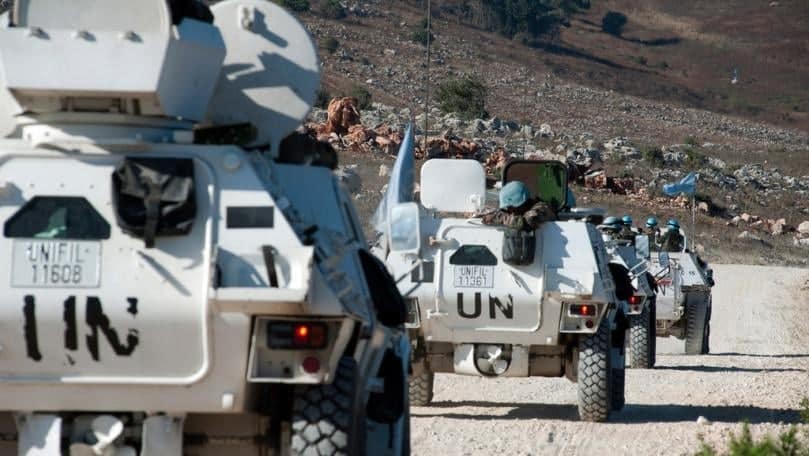
The United Nations Interim Force in Lebanon (UNIFIL) has indicated that the security situation in southern Lebanon remains precarious, despite a noticeable reduction in violence since late June. The peacekeeping mission stated that its forces are increasing their presence on the ground to help solidify the relative stability achieved in recent weeks, as displaced families begin to return to their villages.
UNIFIL peacekeepers are maintaining their positions across southern Lebanon and along the Blue Line, actively monitoring and reporting on developments in accordance with Security Council Resolution 1701. The intensive violence that occurred since early March posed significant challenges, but the mission and its personnel persevered. Peacekeepers continue to carry out essential tasks under volatile conditions, adapting daily to evolving security challenges.
The conflict has had a severe human toll, with tens of thousands of civilians displaced, many killed or injured, and widespread destruction of homes and critical infrastructure. The mission also noted that restrictions on peacekeepers' freedom of movement or actions endangering their lives constitute violations of Security Council Resolution 1701. UNIFIL continues to support Lebanon’s state institutions and local communities, reinforcing stability.
UNIFIL emphasizes that continued dialogue, coordination, and sustained operational activities are crucial for de-escalating tensions and fostering long-term stability in the region. The mission facilitates humanitarian access by coordinating safe passage and providing security escorts for aid convoys.