Key facts
- UNESCO added the ancient Greek city of Tauric Chersonese and its Chora in Russian-occupied Crimea to its list of world heritage sites in danger.
- The site, founded in the 5th century B.C., was previously designated a UNESCO World Heritage site in 2013.
- Ukraine views the decision as an affirmation of its territorial integrity and state sovereignty.
- The listing is intended to increase international efforts for the site's protection and accountability for damages.
- An archaeologist, Alexander Butyagin, arrested at Ukraine's request for alleged damages, was later freed in a prisoner exchange.
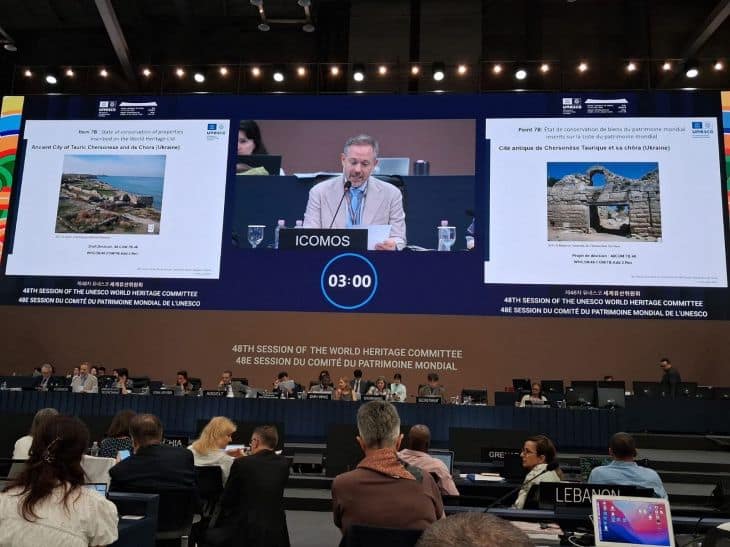
The World Heritage Committee has added the ruins of an ancient Greek city in Russian-occupied Crimea to its list of world heritage sites in danger. The Ancient City of Tauric Chersonese and its Chora, founded in the 5th century B.C. and designated a UNESCO World Heritage site in 2013, has reportedly suffered damage from illegal excavations since Russia's occupation in 2014.
Ukraine's Foreign Ministry stated that the decision underscores the international system's reliance on facts and international law, reaffirming Ukraine's territorial integrity and sovereignty. The ministry added that this move will spur increased international efforts to protect the site, secure funding for monitoring, strengthen preventative measures, and reinforce legal accountability for any illegal activities.
Ukrainian authorities have pursued legal action against individuals involved in Russia's excavations. In a related development, archaeologist Alexander Butyagin, associated with Russia's Hermitage Museum, was arrested in Poland at Ukraine's request for allegedly causing over Hr 200 million ($4.5 million) in damages. Although Polish authorities approved his extradition, he was released in a prisoner exchange in late April and subsequently vowed to return to Crimea.