Key facts
- The Armistice Agreement, signed July 27, 1953, has maintained peace and stability on the Korean Peninsula for 73 years, according to UNC Commander Gen. Xavier Brunson.
The commander of the United Nations Command (UNC), Gen. Xavier Brunson, stated that the Armistice Agreement, which ended the Korean War, has been crucial for maintaining peace and stability on the Korean Peninsula for 73 years. His remarks coincided with South Korea and allied nations marking the anniversary of the ceasefire.
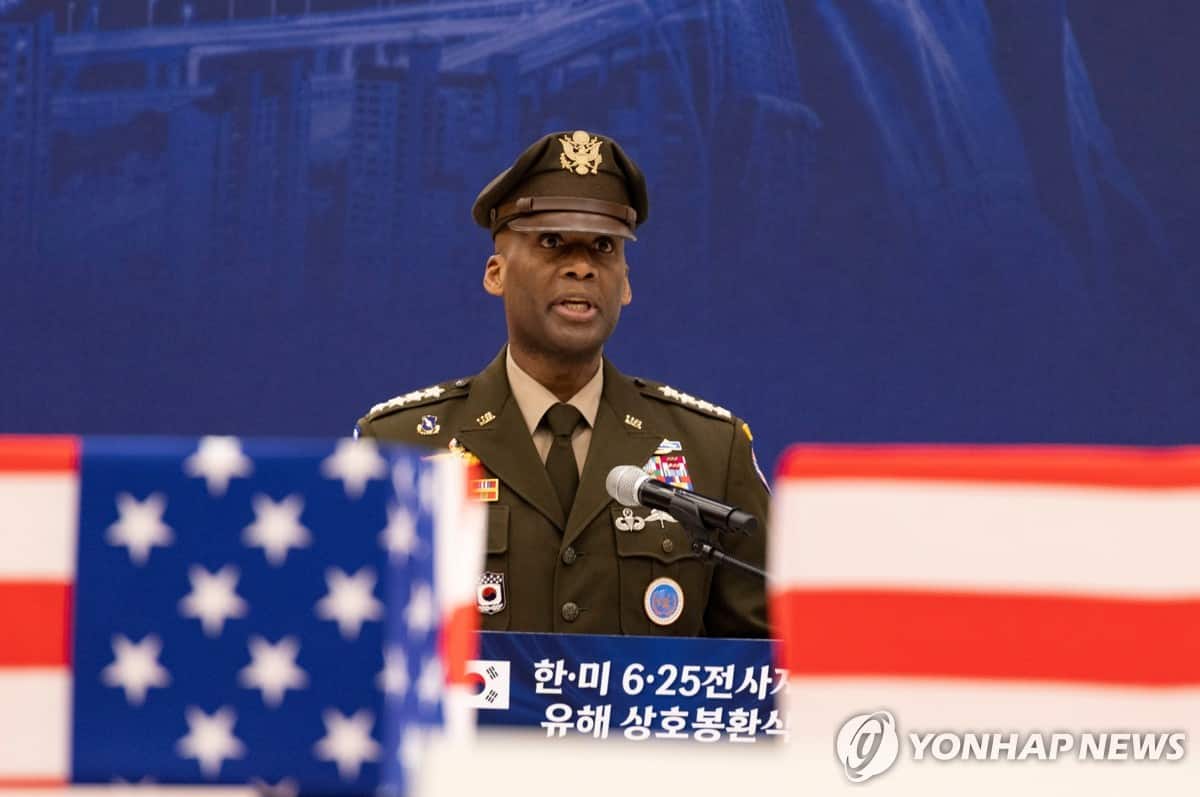
The UNC commander's remarks underscore the continued significance of the 73-year-old Armistice Agreement in maintaining a fragile peace on the Korean Peninsula, highlighting the ongoing need for vigilance amidst persistent tensions.
The commander of the United Nations Command (UNC), Gen. Xavier Brunson, stated that the Armistice Agreement, which ended the 1950-53 Korean War, has served as a foundation for peace and stability on the Korean Peninsula for 73 years. His remarks were made on the 73rd anniversary of the ceasefire, observed by South Korea and allied nations.
Brunson honored the 22 countries that fought or provided medical support under the U.N. flag during the conflict. He emphasized in an X post that the agreement, while not a peace treaty, has been instrumental in preserving peace and stability. He described the veterans as a 'living bridge' and stressed that maintaining the armistice requires 'steadfast commitment, unwavering vigilance and credible readiness.'
The Armistice Agreement was signed on July 27, 1953, between the UNC and the North Korean and Chinese militaries, temporarily halting the conflict and leaving the two Koreas technically at war. The agreement established the Military Demarcation Line and the Demilitarized Zone (DMZ) that now divides the peninsula. South Korea commemorates July 27 as 'U.N. Forces Participation Day,' while North Korea celebrates it as 'Victory Day.'