Key facts
- Dozens of Kyiv residents gathered to demand authorities open a bomb shelter that has been under preparation since 2023.
- A school shelter in Sviatoshynskyi district, intended to open last year, is still not operational due to incomplete utilities and paperwork.
- Russia has intensified attacks on Kyiv, killing 73 people in June and July.
- Kyiv has 4,358 sheltering facilities for 3 million residents, but only around 500 are proper bomb shelters.
- Problems were identified in 93% of 1,066 shelter sites checked nationwide, including accessibility and sanitation issues.
Residents in Kyiv are growing increasingly frustrated and angry with authorities over the inadequate availability and preparedness of bomb shelters amidst escalating Russian attacks. Many are forced to seek refuge in makeshift or unreliable locations, with some essential shelters still not operational months or years after they were supposed to be ready.
In the Sviatoshynskyi district, residents gathered to protest the delayed opening of a school shelter, which officials attribute to bureaucratic hurdles and incomplete utility work. This comes as Russia has intensified its missile strikes on the capital, leading to a significant rise in civilian casualties. Kyiv has a large number of designated sheltering facilities, but only a fraction are considered proper bomb shelters, and many of those checked nationwide have been found to have issues with accessibility, sanitation, and maintenance.
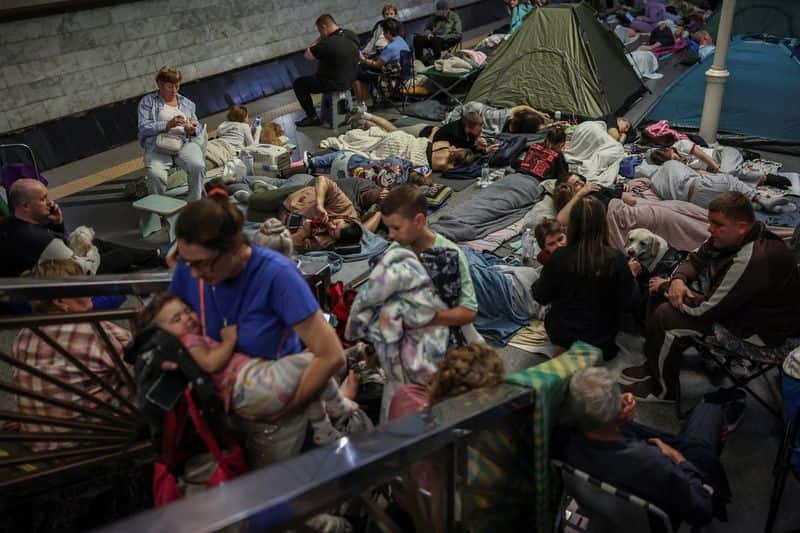
Kyiv's metro stations have become the most reliable, albeit not entirely safe, havens, with tens of thousands seeking refuge underground on recent nights. However, reports have emerged of security guards sometimes denying access, and overcrowding has led to tensions among those sheltering. The city administration has allocated substantial funds for shelter repairs, but the ongoing delays and the perceived complacency of authorities are fueling public anger and a sense of vulnerability among the population.