HomeAll NewsEducationTV
Equities & FundsCrypto & Digital AssetsAI & TechnologyBusiness & CorporateUS Politics & PolicyGeopolitics & Global RiskMacro, Rates & FXCommodities & EnergyEuropean Politics & MarketsAsia-PacificReal Estate & Property
Story archiveAll categories
← All Stories

Ukraine strikes Russian e-commerce warehouses, disrupting logistics and consumer goods

Created at 25 Jul · 12:21 PM1 source↑ Market-relevant
IN SHORT

Ukraine has targeted Wildberries, Russia's largest online retailer, with drone strikes on its warehouses. The attacks aim to disrupt Russian military logistics by targeting dual-use items sold on the platform and are also impacting small businesses and consumers, potentially fueling inflation.

✉Newsletter

PiQ Daily

Pick your topics. Get only what matters, on your cadence.

Key Numbers

50%Wildberries' share of Russia's online retail market
10%Wildberries' logistics hubs damaged by Ukrainian strikes
26%Online sales' share of all retail sales in Russia in 2025

Who's Involved

Wildberries
Russian e-commerce giant targeted by Ukrainian drone strikes
Ukraine
Conducting drone strikes on Russian infrastructure
Tatiana Kim
Founder of Wildberries, Russia's wealthiest woman
Pavel Luzin
Senior fellow at the Center for European Policy Analysis
Dmitry Kuznets
Military observer at exiled Russian outlet Meduza
Valeria Pozychaniuk
Journalist at The Bell, a business-focused Russian media in exile
Konstantin Sonin
Exiled Russian economist and professor at the University of Chicago
Vladislav Bakalchuk
Ex-husband of Wildberries founder Tatiana Kim
Suleyman Kerimov
Russian lawmaker whose relatives control Russ company
Vladimir Putin
Russian President who approved the Wildberries-Russ merger
Maksim Oreshkin
Deputy Chief of Staff who oversaw the Wildberries-Russ merger
Ukraine strikes Russian e-commerce warehouses, disrupting logistics and consumer goods

↳ Why This Matters

The drone strikes on Wildberries warehouses represent a strategic shift by Ukraine to disrupt Russia's economy and war effort by targeting civilian infrastructure that supports military logistics and impacts consumer morale. The attacks highlight the vulnerability of Russia's e-commerce sector, affecting businesses and potentially exacerbating inflation.

Key facts

  • Ukraine has targeted Wildberries, Russia's largest online retailer, with drone strikes on its warehouses.
  • Seven Wildberries warehouses have been hit since the weekend, with two struck overnight on July 24.
  • Approximately 10% of the company's logistics hubs have been damaged.
  • The strikes are intended to disrupt Russian military logistics by targeting dual-use items sold on the platform.
  • The attacks are also impacting small and mid-sized Russian businesses and potentially contributing to inflation.
  • The Wildberries-Russ merger involved a transaction personally approved by Vladimir Putin.

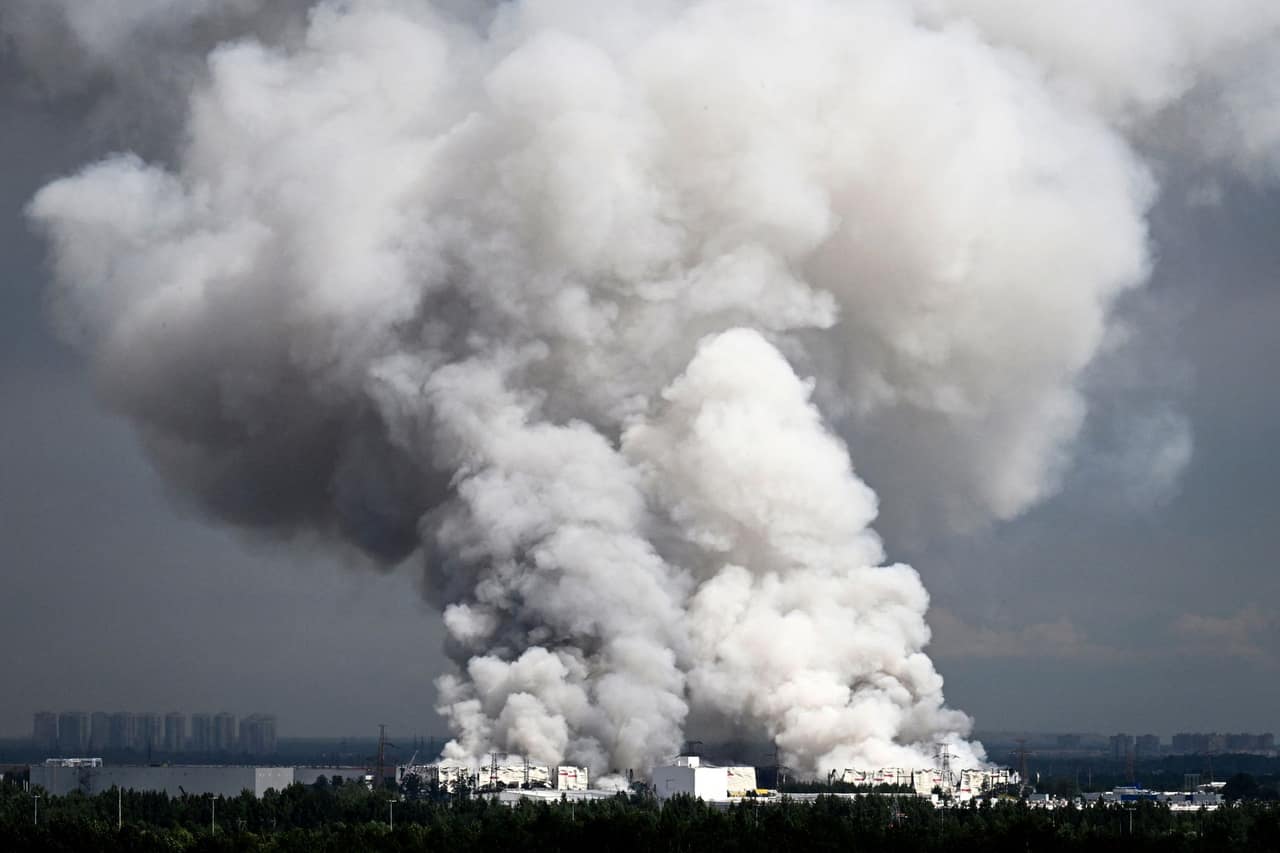
Ukraine has escalated its drone campaign by targeting warehouses belonging to Wildberries, Russia's largest online retailer, an equivalent to Amazon. The e-commerce giant, which holds nearly 50% of Russia's online retail market, has seen its operations significantly disrupted by recent strikes. Videos have emerged showing large fires engulfing logistics centers across Russia, with seven warehouses reportedly hit since the weekend, including two in a single night.

According to Kyiv, the targeting of Wildberries is strategic, as the platform facilitates the sale of dual-use items, including military products like bulletproof vests and drone components, alongside regular consumer goods. These items can be used on the battlefield against Ukraine, making the warehouses potential military targets under international law, provided precautions are taken to minimize civilian casualties. Experts also note a secondary effect: the disruption is impacting the morale of many Russians.

Wildberries' support for Russia's war effort extends to its role as an intermediary for pro-war volunteer movements that purchase crowdfunded military equipment. While not the primary supply channel for the Russian army, these sales are significant. The strikes also have a substantial economic impact on hundreds of thousands of small and mid-sized Russian businesses that rely on Wildberries for customer reach, many of whom are uninsured and lack financial cushions.

In response to the attacks, Wildberries' founder Tatiana Kim promised compensation to sellers, though this may be limited to discounts and service advantages. Competitor Ozon has stated it will not compensate for losses due to military activity. Wildberries later announced it would compensate sellers for lost goods, a move that could further fuel inflation. Economists suggest the Russian government may subsidize Wildberries, potentially through favorable loans from Sberbank, with compensation from the Central Bank leading to higher inflation.

Beyond the economic impact on businesses and potential inflation, the strikes on warehouses will lead to more difficult logistics and higher prices for goods for millions of Russian consumers. There are also indications that the financial repercussions could extend to individuals close to Russian President Vladimir Putin, as the Wildberries platform merged with Russ, a company reportedly controlled by relatives of lawmaker Suleyman Kerimov, a deal personally approved by Putin.

Frequently asked questions

Ukraine is targeting Wildberries because the platform sells dual-use items, including military equipment, that can be used against Ukraine. The strikes aim to disrupt Russian military logistics and affect consumer morale.

The strikes are severely denting Wildberries' operations, impacting hundreds of thousands of small and mid-sized businesses that rely on the platform. They are also expected to lead to higher prices for consumers due to disrupted logistics.

Yes, compensation measures for lost goods and potential government subsidies for Wildberries could lead to increased inflation, as suggested by economists.

Under international law, civilian objects that make an effective contribution to military action can be considered legitimate military targets, provided precautions are taken to minimize civilian casualties.

What Happens Next

01Wildberries is expected to implement compensation measures for affected sellers.
02The Russian government may provide subsidies to Wildberries to mitigate losses.
03Further Ukrainian drone strikes on Russian logistics and infrastructure are possible.

Get the newsletter.

Pick the topics you actually care about. We'll email when there's news worth your time, on the cadence you choose. Cancel any time from your account.

Cadence

How It Developed

Ukraine has begun targeting Wildberries, Russia's largest online retailer, with drone strikes.
Seven Wildberries warehouses have been hit since the weekend, with two struck overnight on July 24.
Approximately 10% of Wildberries' logistics hubs have been damaged, impacting its operations.
The strikes target dual-use items sold on Wildberries that can be used by the Russian military.
The attacks aim to disrupt Russian army logistics and affect Russian consumer morale.
Wildberries supports the Russian war effort by facilitating sales of military and auxiliary equipment.
The strikes also impact hundreds of thousands of small and mid-sized Russian businesses that rely on the platform.
Wildberries has promised compensation to sellers for lost goods, potentially exacerbating inflation.
Sponsored

London Quick Take - 22 July - UK inflation softens, oil rises and chips rally ahead of Alphabet, Tesla earnings

SAXO

Sources

T1
How Ukraine's strikes on Wildberries warehouses put Russians in a real jamThe Kyiv Independent

Related Stories

Ukrainian drone strike causes fire at Russian oil refinery
25 Jul · 10:01 AM
Fire reported at Russia's Engels air base, home to heavy bombers
25 Jul · 1:46 AM
Iryna Terekh: Architect of Ukraine's Deep-Strike Drones
24 Jul · 5:46 PM
Estonian town adds protective film to school windows amid drone threat
24 Jul · 2:16 PM
Russia intensifies attacks on Dobropillia as residents flee
25 Jul · 12:12 PM