All NewsEducationTV
Equities & FundsCrypto & Digital AssetsAI & TechnologyBusiness & CorporateUS Politics & PolicyGeopolitics & Global RiskMacro, Rates & FXCommodities & EnergyEuropean Politics & MarketsAsia-PacificReal Estate & Property
Story archiveAll categories
← All Stories

Ukraine Strikes on Russian Warehouses Bring War Home to Citizens

Created at 18 Aug · 4:21 PM1 source↑ Market-relevant
IN SHORT

Ukrainian drone attacks on Russian infrastructure, particularly the Wildberries e-commerce warehouses, are increasingly impacting ordinary Russians. The strikes are eliciting mixed reactions, including anger towards authorities and a sense of injustice among those who feel they upheld their end of a societal bargain.

Key Numbers

2,500 kilometersdistance of Omsk refinery strike from Ukraine border
1,500 kilometersdistance of Gazprom Neftekhim Salavat strike from Ukraine border
223,793reactions to Telegram posts about Wildberries warehouses
1,174,336reactions to all other strike-related posts in the same period
17.6%share of prayer/hands-together reaction for non-Wildberries strikes
4.4%share of prayer/hands-together reaction for Wildberries strikes
15.3%share of clown-face reaction for Wildberries strikes
9.6%share of clown-face reaction for non-Wildberries strikes
7-8%percentage of comments on Telegram attacking Ukraine
5%percentage of comments on Telegram attacking Russian authorities
9%percentage of comments on VKontakte attacking Russian authorities

Who's Involved

Ukraine
Conducting drone strikes deep into Russia
Wildberries
Russia's largest marketplace, targeted by drone attacks
United Russia
Ruling party criticized in comments on Russian social media
Vladimir Putin
President of Russia, in power for over 25 years
Yevgeny Prigozhin
Wagner Group leader who previously marched on Moscow
Ukraine Strikes on Russian Warehouses Bring War Home to Citizens

↳ Why This Matters

The increasing frequency and impact of Ukrainian strikes on Russian soil, particularly on civilian infrastructure like e-commerce warehouses, are creating a tangible connection to the war for ordinary Russians. This is potentially eroding the societal bargain that has allowed the Kremlin to maintain public acquiescence, raising questions about future social and political stability within Russia.

Key facts

  • Ukrainian drone attacks have increasingly targeted Russian infrastructure, including oil refineries and e-commerce warehouses.
  • Strikes on Wildberries warehouses have elicited a notably sarcastic and angry public response, with criticism directed at both Ukraine and Russian authorities.
  • Many Russians affected by the strikes express a sense of injustice, feeling they upheld their end of a societal bargain by staying out of politics.
  • The attacks highlight a potential erosion of the social contract in Russia, where citizens expected security and a certain standard of living in return for political non-participation.

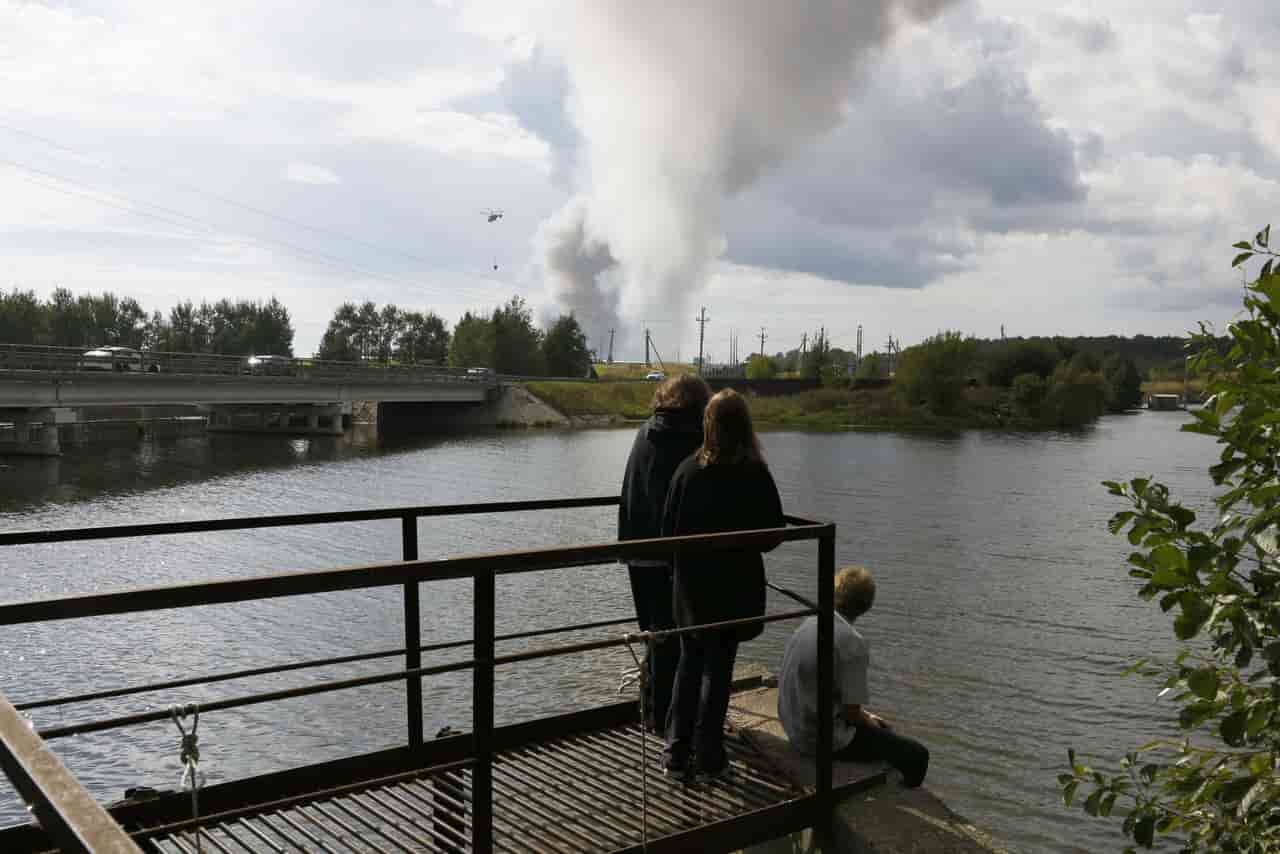
Ukrainian drone attacks on Russian territory have intensified, moving beyond oil infrastructure to target major e-commerce hubs like Wildberries warehouses. These strikes are increasingly bringing the realities of the war home to ordinary Russians, eliciting complex reactions that include anger towards authorities and a sense of bewilderment from those who feel personally uninvolved in the conflict.

While oil refinery attacks, such as those in Omsk, Syzran, and Bashkortostan, have become almost routine, the strikes on Wildberries warehouses have generated a distinct public response. Analysis of social media reactions shows a higher proportion of sarcastic and mocking emojis, alongside direct grievances against the Russian government, ruling party United Russia, and air defense capabilities. Some comments question the purpose of paying taxes if the state cannot provide protection, while others allude to the company's alleged involvement in sanctioned component supply chains.

The article suggests that these reactions stem from a long-standing societal bargain in Russia: citizens remained politically disengaged and focused on personal well-being in exchange for stability. The current strikes, impacting entrepreneurs and sellers, challenge this arrangement, leading to a sense of injustice and incomprehension. The author speculates on potential outcomes, ranging from protests by affected entrepreneurs to increased public mobilization, though notes that significant self-organization appears unlikely based on past events. A more probable scenario is a continued, quiet erosion of the social contract.

Separately, Ukrainian forces have also targeted military assets, including the Federal Security Service patrol ship 'Izumrud' and numerous vessels of the 'shadow' fleet in the Black and Azov Seas, underscoring a multi-pronged approach to disrupting Russian operations.

Frequently asked questions

The strikes on Wildberries, Russia's largest marketplace, are significant because they directly impact ordinary citizens and entrepreneurs, eliciting a different public reaction than attacks on military or oil infrastructure. They highlight a potential breakdown in the social contract.

Reactions vary, but social media analysis shows increased sarcasm, anger directed at Russian authorities and air defenses, and a sense of injustice among those affected. Some feel the state has failed to uphold its end of a bargain by not protecting them.

The article refers to a long-standing bargain where Russian citizens largely stayed out of politics and focused on their personal lives in exchange for a degree of stability and a certain standard of living provided by the authorities.

Besides Wildberries, Ukraine has targeted oil refineries in Omsk, Syzran, and Bashkortostan, a Federal Security Service patrol ship, and numerous vessels of the 'shadow' fleet in the Black and Azov Seas.

What Happens Next

01Further Ukrainian drone strikes on Russian infrastructure are expected.
02Analysis of Russian public reaction to strikes will continue.
03Potential for increased public discontent or mobilization in Russia remains a subject of observation.

How It Developed

Ukrainian drone strikes on Russian territory have become more frequent and widespread.
Attacks on oil infrastructure, including refineries in Omsk, Syzran, and Bashkortostan, are now routine.
A Ukrainian naval drone destroyed the FSB patrol ship 'Izumrud' near Novorossiysk.
Ukrainian forces targeted nearly two hundred vessels of the 'shadow' fleet in the Black and Azov Seas.
Strikes on Wildberries e-commerce warehouses have become a significant story, eliciting distinct public reactions.
Reactions to Wildberries attacks show increased sarcasm and anger directed at authorities and air defenses, alongside anti-Ukrainian sentiment.
Some Russians express a sense of injustice, questioning why their businesses are targeted despite adhering to societal norms.
The strikes highlight a perceived breakdown in the long-standing societal bargain in Russia, where citizens kept out of politics in exchange for stability.

Sources

T1
'But what did we do?' — How Ukraine's strikes on Wildberries brought Russia's war homeThe Kyiv Independent

Related Stories

Russian court fines individual for posting drone attack aftermath
18 Aug · 3:11 PM
Ukrainian unit posts drone videos of Russian soldiers' final moments
18 Aug · 11:56 AM
Ukraine drone attack hits Moscow warehouse; Russia strikes Ukrainian village
18 Aug · 1:06 AM
German court convicts Ukrainian man in Russia-linked parcel bomb plot
18 Aug · 11:11 AM
Russia warns UK of war participation over drone supplies to Ukraine
18 Aug · 1:45 AM