Key facts
- Ukrainian long-range drone and cruise missile attacks have targeted Russian energy facilities, including oil processing plants.
- In June 2026, Russia's gasoline production decreased by 25% compared to the previous year and March 2026.
- Mandatory restrictions on gasoline and diesel sales have been imposed in at least 17 Russian regions, leading to widespread fuel rationing.
- Ukraine's new weaponry has made strategic targets in and around Moscow and St. Petersburg vulnerable.
- Fuel supplies to Crimea have been significantly disrupted due to attacks on transportation routes, impacting Russian military logistics on the peninsula.
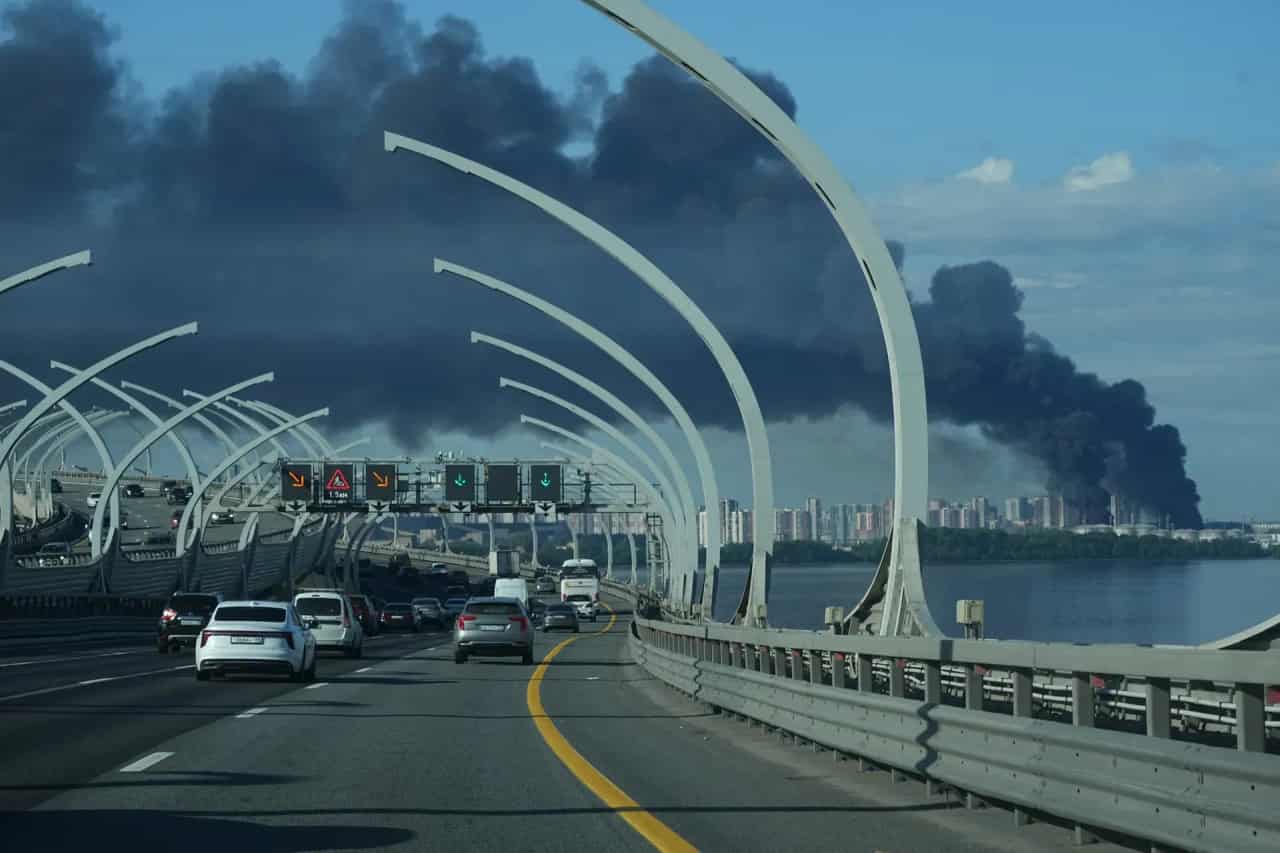
Ukraine's recent long-range drone and missile attacks on Russian energy infrastructure, including oil processing facilities, have significantly altered the perception of the Russia-Ukraine war. These strikes, which have led to a 25% drop in Russian gasoline production in June 2026 and widespread fuel rationing across at least 17 regions, are causing a major embarrassment for the Kremlin and shaking Russia's image as a dominant military power.
Initially, the effectiveness of Ukraine's "long-range sanctions" strategy was doubted, with many assuming Russia's vast industrial capacity and strategic depth would render the strikes mere pinpricks. However, recent developments have proven these assumptions unfounded. The introduction of new Ukrainian systems, such as the Flamingo cruise missile and advanced long-range UAVs, has made previously well-defended strategic targets vulnerable. Russia's enormous territory, once considered an advantage, now presents a challenge in defending its interconnected energy infrastructure spread across eleven time zones.
The impact is particularly acute in Crimea, which serves as a major logistics hub for Russian military operations. Fuel supplies to the peninsula have been severely disrupted due to attacks on both land and sea transportation routes, complicating Moscow's ability to sustain troop rotations, ammunition, and equipment on the occupied peninsula. Historian Nikolay Mitrokhin notes that Ukrainian drones now control Russian airspace as far as the Urals, with Russian air defense systems significantly degraded.
These accumulating disruptions in Russia's fuel sector coincide with declining energy export revenues due to falling global oil prices. This situation is increasingly hindering Russia's daily economic and social life, with the long-term implications for the conflict remaining uncertain but potentially severe.