HomeEverythingEducationTV
Equities & FundsCrypto & Digital AssetsAI & TechnologyBusiness & CorporateUS Politics & PolicyGeopolitics & Global RiskMacro, Rates & FXCommodities & EnergyEuropean Politics & MarketsAsia-PacificReal Estate & Property
Story archiveAll categories
← All Stories

Ukraine's Crimea resistance grows amid intensified strikes

Created at 20 Jul · 4:06 PM1 source↑ Market-relevant
IN SHORT

As Ukraine escalates its campaign against Russian military infrastructure in occupied Crimea, underground resistance efforts are expanding. The number of volunteers contacting Ukrainian Special Operations Forces and groups like Atesh has increased, driven by successful strikes and a growing belief in Crimea's eventual liberation.

✉Newsletter

PiQ Daily

Pick your topics. Get only what matters, on your cadence.

Key Numbers

12 yearsduration of Russian Federal Security Service (FSB) build-up in Crimea
50%electricity produced by Balaklava Thermal Power Plant in occupied Crimea

Who's Involved

SOF
Ukraine's Special Operations Forces, reporting increased resistance activity
Atesh
Resistance group reporting growth in volunteers and information sharing
Jade McGlynn
Research fellow at King's College London, analyzing resistance trends
Robert "Madyar" Brovdi
Commander of Ukraine's Unmanned Systems Forces
Ukraine's Crimea resistance grows amid intensified strikes

↳ Why This Matters

The growing underground resistance in Crimea, supported by intensified Ukrainian strikes, signals a weakening of Russian control and provides crucial intelligence for Ukraine's military operations, potentially impacting the strategic balance in the Black Sea region.

Key facts

  • Ukraine is intensifying its military campaign against Russian infrastructure in occupied Crimea.
  • Underground resistance in Crimea is growing, with increased volunteer contacts and information sharing.
  • The shift in resistance is from open activism to clandestine information gathering.
  • Ukrainian strikes on targets like power plants and bridges are aided by intelligence from local resistance members.
  • Crimea's unique status within Russian-occupied territories leads to a different form of repression and surveillance.

Ukraine's intensified military campaign against Russian infrastructure in occupied Crimea has coincided with a significant increase in underground resistance activities behind Russian lines. The number of individuals contacting Ukrainian Special Operations Forces (SOF) and groups like Atesh has risen, fueled by successful Ukrainian strikes and a growing belief in the peninsula's eventual liberation.

According to SOF, the resistance movement is spreading and gaining momentum, serving as confirmation to residents that the occupying administration lacks complete control. This surge follows Ukraine's ongoing efforts to isolate Crimea by disrupting its military and commercial infrastructure, leading to fuel shortages, blackouts, and severed logistics routes.

Jade McGlynn, a research fellow at King's College London, noted that resistance in Crimea has evolved from open civic activism to clandestine work, shifting from "expressive to instrumental resistance." She explained that the "symbolic register of graffiti, ribbons, leaflets carries an extremely poor risk-return ratio against an occupier this punitive." Instead, quiet, low-signature information work, such as observing and passing coordinates, has grown, yielding a larger strategic effect, especially with Ukraine's successful strikes.

McGlynn also highlighted that Russian authorities treat Crimea more as part of Russia than other occupied regions, resulting in repression that often carries a legal veneer. This includes a denser informant ecology due to a 12-year build-up of the FSB, a larger settler and security service population, and an embedded surveillance apparatus.

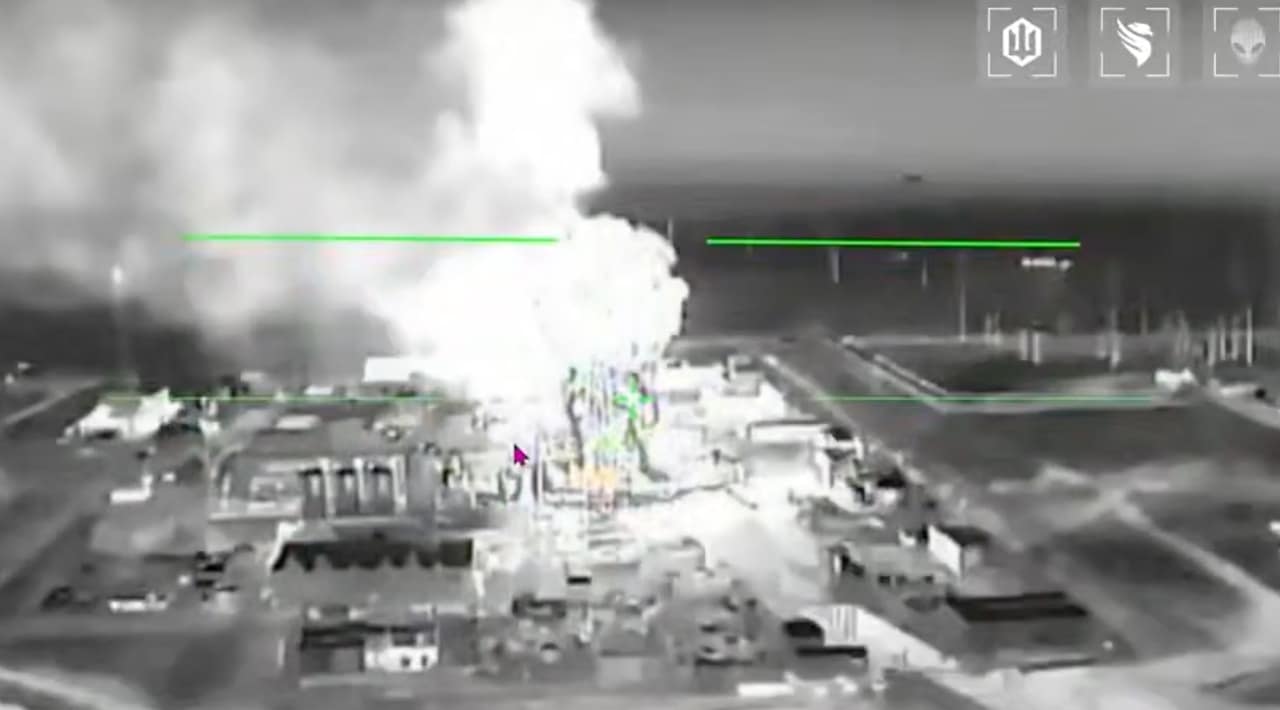
Atesh regularly monitors Russian military logistics, air defense systems, and troop concentrations, passing intelligence to Ukraine's military. The group reported gathering intelligence on the FSB in Dzhankoy, noting the movements of personnel and equipment. SOF has publicly credited resistance members with assisting in operations, including a strike on a railway bridge across the North Crimean Canal and drone strikes on the Balaklava Thermal Power Plant, which supplies nearly 50% of Crimea's electricity.

SOF stated that information from resistance members is as crucial as data from satellites and aerial reconnaissance, significantly shortening the time between target identification and strike execution. Crimea's strategic importance as home to Russia's Black Sea Fleet and air bases makes intelligence from local informants highly valuable.

Despite years of occupation, pro-Ukrainian sentiment persists, becoming more cautious and seeking safer support methods. Ukrainian military successes have altered Crimeans' perspectives, encouraging more to risk helping Ukraine despite severe consequences. McGlynn observed that when Ukraine's position strengthens, resistance rises, as actions like disabling infrastructure change the risk-return calculation for committed individuals. The Kremlin's denial of serious problems caused by Ukrainian drones, leading to issues like power and water outages, further benefits Ukraine by infuriating residents.

Frequently asked questions

The resistance has shifted from open activism to clandestine information gathering, focusing on observing and passing coordinates of Russian military targets.

Russian authorities treat Crimea more as part of Russia, leading to repression with a legal veneer, and it benefits from a denser informant ecology and embedded surveillance apparatus.

Resistance members provide up-to-date intelligence on targets, helping Ukrainian forces conduct strikes on military infrastructure, energy facilities, and logistics routes.

What Happens Next

01Ukraine is expected to continue its campaign to isolate occupied Crimea.
02Further intelligence sharing from Crimean resistance members is anticipated.

Get the newsletter.

Pick the topics you actually care about. We'll email when there's news worth your time, on the cadence you choose. Cancel any time from your account.

Cadence

How It Developed

Ukraine has intensified its campaign against Russian military infrastructure in occupied Crimea.
Underground resistance efforts in Crimea have been spreading behind Russian lines.
The number of people contacting Ukraine's Special Operations Forces (SOF) resistance movement increased after successful attacks on Russian targets.
The Atesh resistance group reported an increase in people wishing to join and pass on information about Russian military facilities.
Resistance in Crimea has shifted from open activism to clandestine, low-signature information work.
Resistance members have assisted Ukrainian forces with intelligence on military logistics, air defense systems, and troop concentrations.
Ukrainian forces conducted drone strikes on the Balaklava Thermal Power Plant with assistance from underground members.
SOF stated that information from resistance members is as important as satellite and aerial reconnaissance.

Sources

T1
As Ukraine's Crimea campaign grows, so does its underground resistanceThe Kyiv Independent

Related Stories

Ukrainian drones strike Russian shadow fleet, energy sites in Crimea
20 Jul · 10:16 AM
Ukrainian regiment claims capture of 64 Russian soldiers
20 Jul · 4:56 PM
Zelensky Weighs Replacing Top General Amid Protests Over Defense Leadership
20 Jul · 4:44 PM
Russian forces capture 2 Ukrainian soldiers after flag-raising in Kostiantynivka
20 Jul · 1:06 PM
Ukraine launches over 400 drones at Moscow region, wounding 10
20 Jul · 8:56 AM