Key facts
- Ukraine has utilized hexacopter drones to air-drop ground robots equipped with weapons or explosives.
Ukraine is employing ground robots in battle using both hexacopter drones and drone boats. These tactics allow robots to bypass difficult terrain and Russian defenses, and have been used in amphibious assaults and direct engagements.
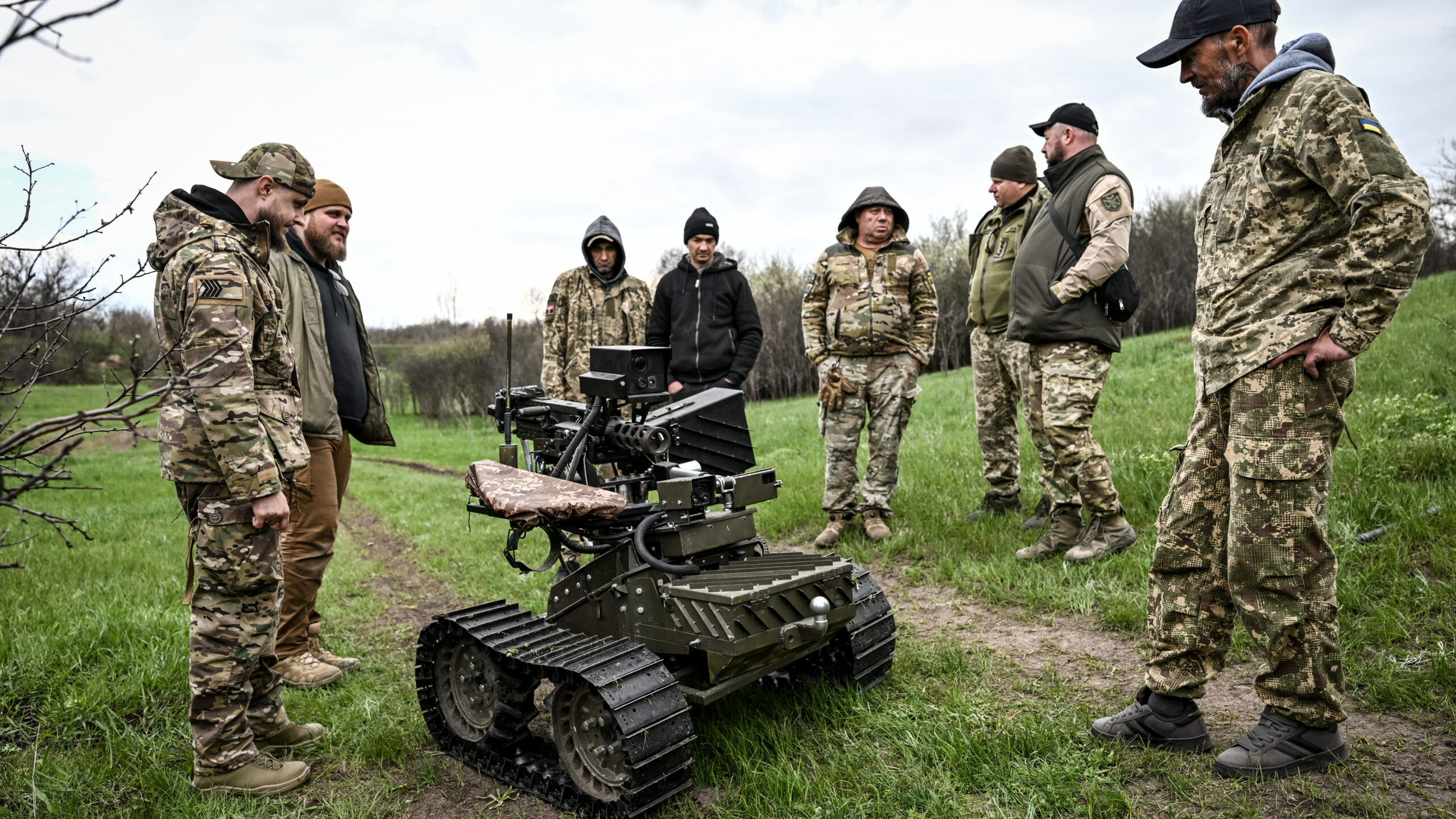
Ukraine's innovative use of drones and robots in combat demonstrates a strategic effort to offset manpower disadvantages and enhance operational effectiveness, potentially influencing future military tactics globally.
Ukraine is increasingly leveraging ground robots in combat, employing innovative methods such as air-dropping them via hexacopter drones and deploying them via drone boats for amphibious assaults. These tactics aim to overcome challenging terrain and Russian defenses, while also reducing risks to Ukrainian soldiers.
One notable instance occurred on July 19, when a Ukrainian hexacopter drone reportedly carried an ARK-1 robot, armed with anti-tank mines, towards Russian positions. While the success of this specific mission is unconfirmed, the strategy could enhance robot survivability by enabling faster approaches to targets and evading enemy surveillance.
Earlier, on June 25, Ukrainian ground robots were involved in an operation targeting the Kinburn Spit. A drone boat lowered a ramp to deploy a robot onto the peninsula, which then reportedly fired its machine gun during engagements that led to a Ukrainian flag-planting demonstration. Defense researcher Michael Bohnert described the amphibious robotic assault as impressive but cautioned that the concept may not yet be ready for heavy combat.
These deployments are part of a broader surge in Ukraine's use of battlefield robots since late 2025. Military robotic missions have significantly increased, with robots performing various roles including transporting supplies, evacuating wounded soldiers, mine clearance, and direct combat operations. This innovation follows Ukraine's established use of drones as motherships for FPV drones and high-altitude balloons for drone and missile delivery. The US military is reportedly taking note of these advancements and considering similar procurements.