Key facts
- Ukrainian military intelligence (HUR) claims over 7,000 North Korean casualties in Kursk Oblast.
- The casualties occurred during a Ukrainian cross-border operation from August 2024 to March 2025.
- This figure is higher than previous estimates of around 6,000 casualties from South Korean and British intelligence.
- North Korea has not officially commented on its troop losses in Russia.
- Russia has increased its intake of North Korean artillery shells, ballistic missiles, and military equipment in early 2026.
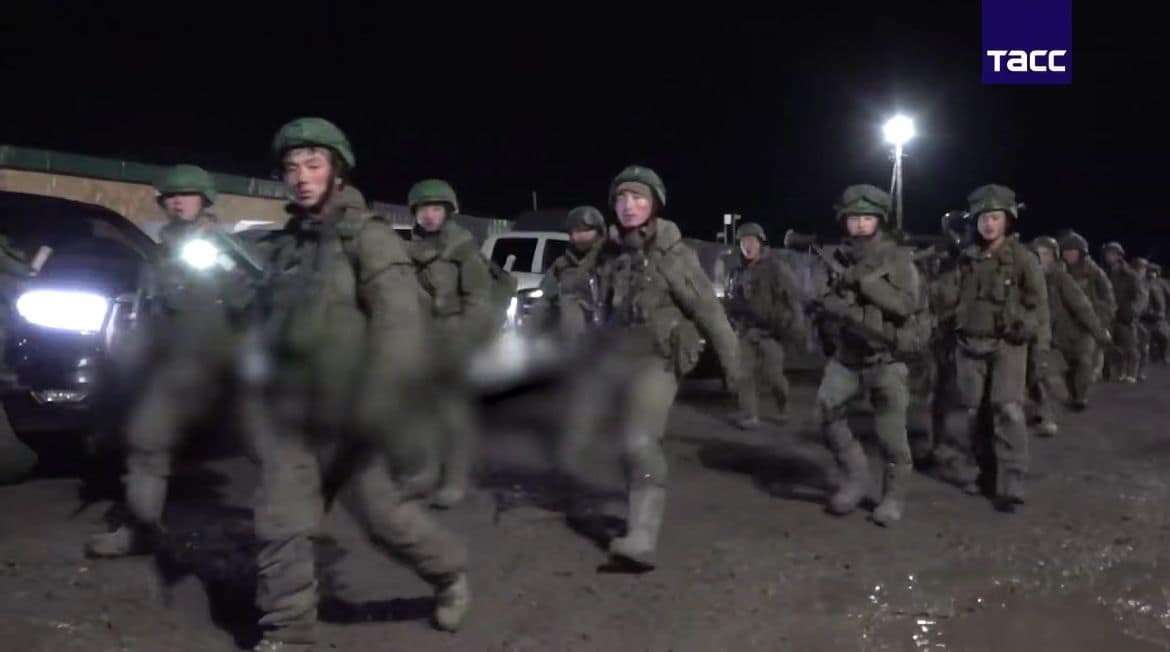
Ukraine's military intelligence agency, HUR, has claimed that North Korean troops suffered over 7,000 casualties while fighting alongside Russian forces in Russia's Kursk Oblast. This figure, reported in late June, surpasses previous estimates from South Korean and British intelligence, which placed the total casualties at around 6,000. The claimed losses stem from the period between August 2024 and March 2025, during a Ukrainian cross-border operation in the region. Ukrainian soldiers who participated in the operation noted that North Korean troops, initially unprepared for modern drone warfare, adapted quickly and demonstrated discipline.
Pyongyang has not officially commented on the number of casualties its troops have sustained in Russia, with HUR stating that the North Korean regime is attempting to conceal the actual losses. This development comes as Russia and North Korea deepen their military cooperation, two years after signing a Comprehensive Strategic Partnership Agreement. Both nations, facing international isolation and sanctions, have increased their mutual assistance.
Earlier reports from South Korean news agency Yonhap, citing intelligence, indicated that approximately 11,000 North Korean troops were stationed in Kursk Oblast as of early 2026 to support Russia's war efforts. The first reports of North Korean troop deployments to Russia emerged in October 2024. HUR also stated in late June that Russia has increased its receipt of North Korean-manufactured ammunition, weapons, and military equipment in early 2026, particularly 122mm and 152mm artillery shells and ballistic missiles. HUR warned that this aid enables Russia to sustain its war against Ukraine and benefits both countries by addressing Russia's shortages and providing Pyongyang with technological advancements for its missile and nuclear programs.