Key facts
- Typhoon Noul made landfall in China's Guangdong province, bringing strong winds and heavy rain.
- More than 800,000 people were relocated in Guangdong for safety.
- Authorities issued high alerts for flash floods in several provinces.
- Hong Kong's airport canceled around 350 flights, stranding approximately 2,000 passengers.
- At least 21 people were injured in Hong Kong.
- China allocated 100 million yuan for recovery efforts in the typhoon-hit Guangdong province.
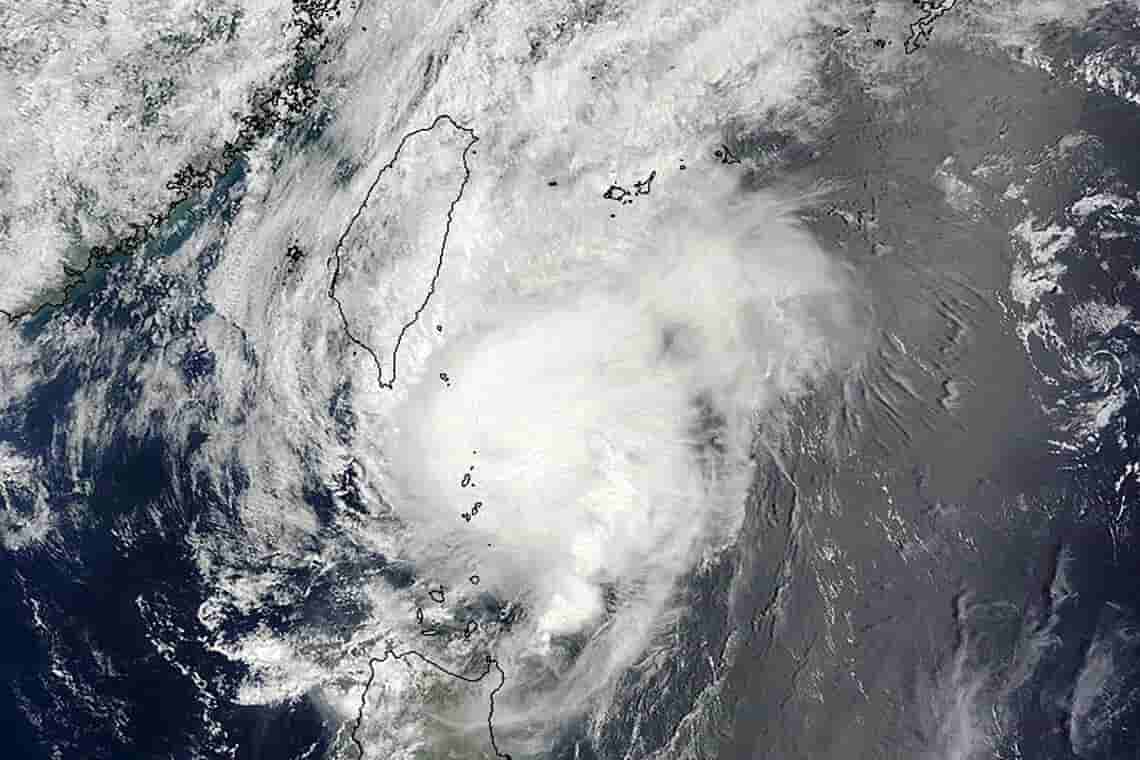
Typhoon Noul made landfall on China's southern coast in Guangdong province, bringing gale-force winds and triggering widespread heavy to torrential rainfall. Authorities ordered the relocation of over 800,000 people in Guangdong province as a precautionary measure against the storm's impact. The National Meteorological Centre forecast significant rainfall across much of southern China, including areas like Fujian, Jiangxi, and Hunan, expected to persist for up to two days.
In Hong Kong, the storm caused considerable disruption, with gale-force winds leading to the cancellation of around 350 flights and stranding approximately 2,000 passengers at the airport. At least 21 people sustained injuries across the city. China's Ministry of Water Resources elevated its flood-control emergency response, particularly for Guangdong, due to the high risk of mountain floods.
The National Development and Reform Commission announced an allocation of 100 million yuan (approximately $14.8 million) to support recovery efforts in the typhoon-affected Guangdong province. Noul, the third typhoon to hit China in July and the strongest to make landfall this year, weakened to a tropical storm as it moved inland.