Key facts
- Typhoon Dolphin caused severe flooding in China's Hubei province and parts of Beijing.
- The storm prompted the closure of tourist areas and suspension of construction projects.
- Beijing's Shunyi district recorded 88.5 mm of rainfall in one hour.
- Hubei authorities relocated over 9,700 people due to rising water levels.
- Japan is also preparing for potential landslides and flooding from Typhoon Chan-hom.
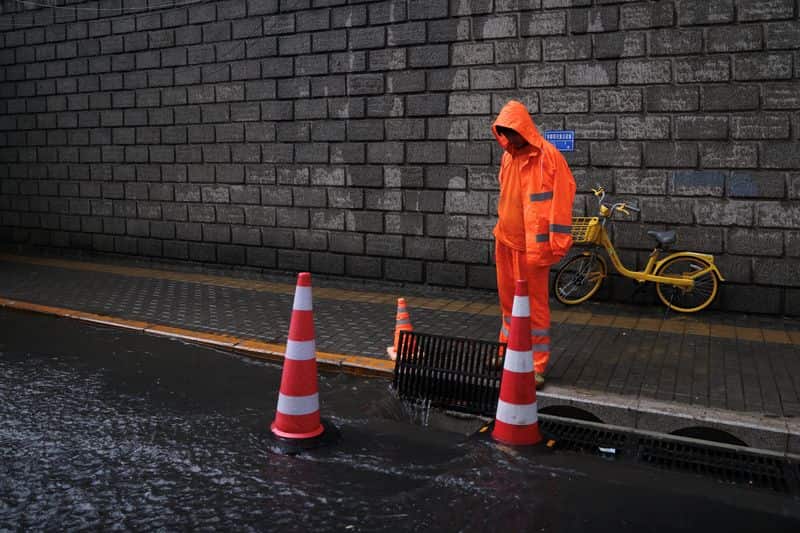
Typhoon Dolphin has caused significant flooding across central China, impacting Hubei province and extending to parts of Beijing. The storm, which traveled nearly 6,000 km before making landfall, brought extreme rainfall, submerging streets, forcing the closure of tourist attractions, and halting construction projects. In Beijing's Shunyi district, hourly rainfall reached 88.5 mm, leading to submerged vehicles and emergency flood responses. Hubei province, a key manufacturing hub, is bracing for up to 250 mm of rain, with authorities issuing warnings for landslides and floods and relocating over 9,700 people. Many scenic areas and high-risk construction projects have been suspended. Meanwhile, neighboring Henan province issued a red flash-flood alert, and Japan is also preparing for potential impacts from a related typhoon.