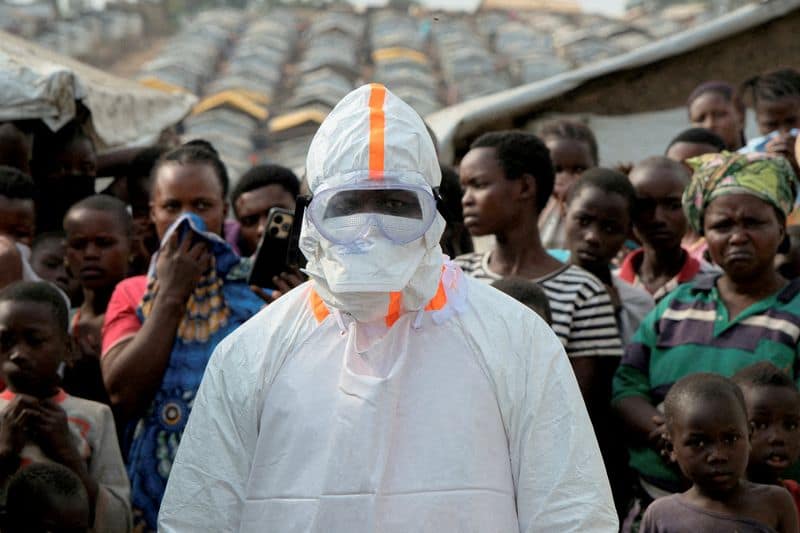
The transport of bodies of Ebola victims between different regions within the Democratic Republic of Congo poses a significant risk of further spreading the virus, the United Nations migration agency warned. Families often transport deceased relatives for funerals in their home communities, a practice that becomes critical for outbreak control given the virus's high infectivity after death.
As of July 14, over 2,000 cases and 700 deaths have been recorded in Congo and neighboring Uganda. The International Organization for Migration (IOM) noted that approximately two-thirds of these deaths occurred outside of clinical or hospital settings. The Bundibugyo strain of the virus causes Ebola, which spreads through direct contact with bodily fluids and can lead to severe symptoms like high fever, vomiting, and bleeding.
Andrew Mbala from IOM emphasized that proper management of deceased bodies and community engagement are essential to prevent wider community spread. He stated that while there have been no reported crossings of bodies into other countries, there has been substantial movement of bodies within Congo, carrying the potential to introduce the virus into new areas if not handled safely.