Key facts
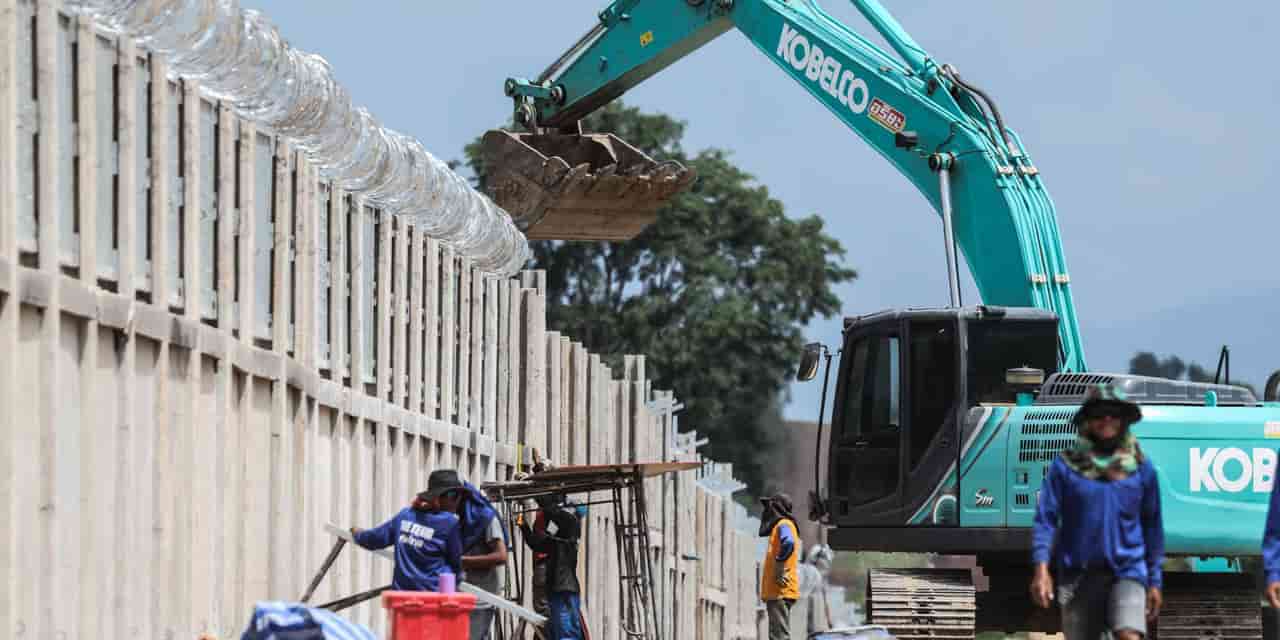
- Thailand has reinforced its border with Cambodia, including a 4.3-meter high wall topped with barbed wire.
- The reinforcement comes one year after deadly border clashes between the two nations.
- Thailand and Cambodia are engaged in compulsory conciliation proceedings under the UN Convention on the Law of the Sea regarding a maritime dispute.
- Border crossings between Thailand and Cambodia remain closed, causing economic hardship.
- Thai military authorities have reported intermittent incidents, including explosions, near the border.
Thailand has significantly reinforced its border defenses with Cambodia, including a 4.3-meter high concrete wall topped with barbed wire, a year after deadly clashes erupted. The Thai military, led by Gen. Ukrit Boontanon, is maintaining a strong presence along the frontier, emphasizing readiness and adherence to international law.
Thai officials marked the first anniversary of the conflict, highlighting a year of restraint, diplomatic efforts, and continued military readiness. Rear Admiral Surasant Kongsiri, spokesperson for the Defence Ministry, recalled the initial rocket attacks and acknowledged the loss of life on the Thai side, stressing that any defense must be legitimate and diplomatic. The Joint Information Centre has provided continuous updates to the public.
An infrastructure drive is underway to improve conditions for troops stationed along the border, focusing on water, electricity, roads, and communication. This initiative is linked to a broader policy of integrating government agencies to enhance local living conditions.
In parallel, diplomatic channels are active, particularly concerning a maritime dispute. Thailand has accepted compulsory conciliation proceedings under the UN Convention on the Law of the Sea, with both nations appointing conciliators. The process aims to produce a report within twelve months to guide further negotiations, though the selection of a chair for the commission is ongoing and has faced extensions.
Despite these efforts, tensions persist. Thai military authorities have reported unexplained explosions and Cambodian construction activity near the border, prompting requests for investigation. Border crossings remain closed, severely impacting local economies, with intermittent diplomatic overtures failing to build sufficient political trust for reopening.
Regional diplomacy, including efforts by the Philippines as ASEAN chair, has aimed to de-escalate tensions. A meeting between the Thai, Cambodian, and Philippine leaders resulted in an agreement to consolidate the ceasefire and develop confidence-building measures. However, disagreements over dispute resolution, particularly Thailand's withdrawal from a maritime claims memorandum of understanding and Cambodia's pursuit of UNCLOS conciliation, have weakened momentum.