Key facts
- Taiwan's Ocean Affairs Council is awarding contracts for dozens of sea drones.
- U.S. technology will be incorporated into the drones.
- The procurement aims to bolster Taiwan's defense against China's maritime operations.
- Analysts state drones can counter Chinese 'gray zone' tactics at sea.
- Drones offer advantages in operational range and loiter time for surveillance.
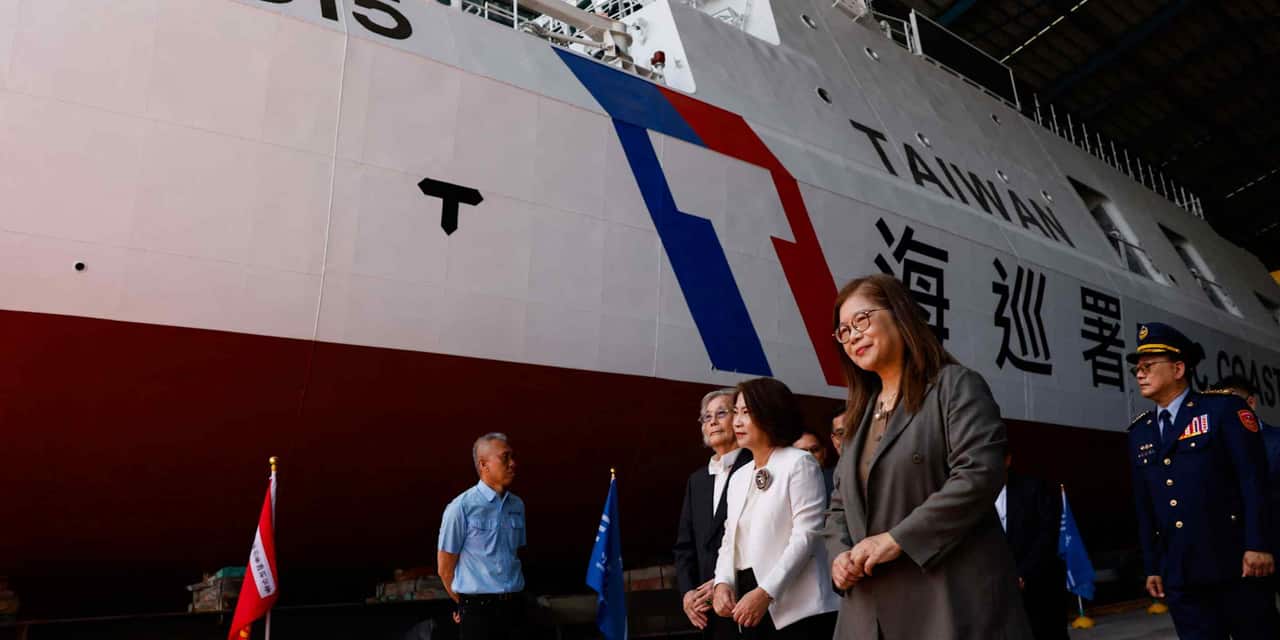
Taiwan is set to award contracts for dozens of sea drones, a move that will incorporate U.S. technology as the island nation seeks to bolster its defense capabilities against China's growing maritime presence. A high-ranking official close to the matter told Nikkei Asia that the Ocean Affairs Council has decided to proceed with the procurement.
Analysts suggest that these uncrewed aerial vehicles (UAVs) could significantly enhance the capabilities of Taiwan's coast guard in dealing with China's "gray zone" activities at sea. Shu Hsiao-huang, a research fellow at the Institute for National Defense and Security Research, stated that drones offer advantages such as longer operational range, extended loiter time, and the ability to detect targets beyond the horizon, which are crucial for maritime reconnaissance and surveillance.
Compared to traditional radar systems on surface vessels, which have a limited detection range, ship-launched UAVs can extend these ranges. This capability could also reduce the number of vessels required to maintain security in a given sector. Furthermore, drone operators could more efficiently focus on vessels that fail to activate their automatic identification systems (AIS) or display abnormal AIS signals, as mandated by Taiwanese law.
The Shield VBAT system, which is capable of vertical take-off and landing and offers superior aerodynamic performance, is mentioned as a potential candidate, with Shu noting that Taiwan should procure foreign-made systems for capabilities not yet available domestically. The acquisition of such reconnaissance and surveillance platforms is considered an urgent need for Taiwan to counter China's maritime tactics.