All NewsEducationTV
Equities & FundsCrypto & Digital AssetsAI & TechnologyBusiness & CorporateUS Politics & PolicyGeopolitics & Global RiskMacro, Rates & FXCommodities & EnergyEuropean Politics & MarketsAsia-PacificReal Estate & Property
Story archiveAll categories
← All Stories

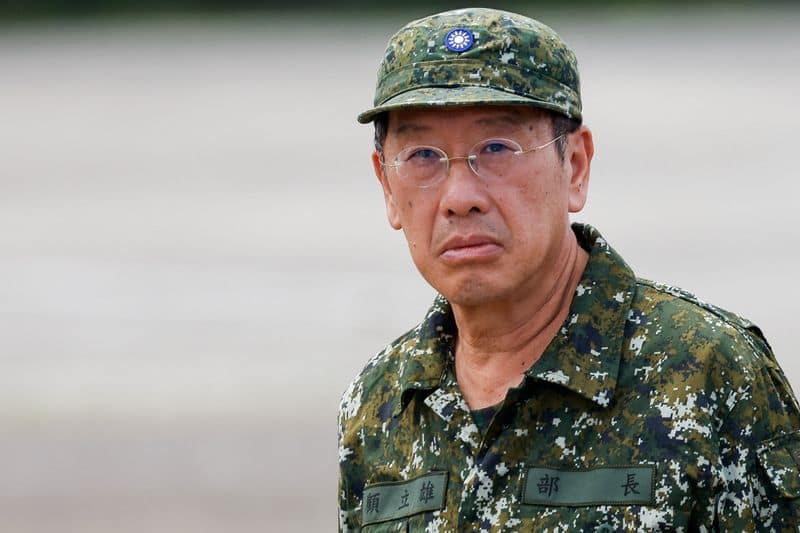
Taiwan minister says close ties with U.S. Pacific Command boost defence readiness

Created at 3 Aug · 2:04 AM1 source↑ Market-relevant
IN SHORT

Taiwan's Defence Minister Wellington Koo stated that cooperation with the United States is closer than many realize, enhancing the island's defense capabilities. He highlighted the U.S. Pacific Command's role in regional security and Taiwan's strategic position.

✉Newsletter

PiQ Daily

Pick your topics. Get only what matters, on your cadence.

Who's Involved

Wellington Koo
Taiwan's Defence Minister
United States Pacific Command
U.S. military command focused on Indo-Pacific security
Xi Jinping
President of China
Taiwan minister says close ties with U.S. Pacific Command boost defence readiness

↳ Why This Matters

The statement underscores Taiwan's strategic military alignment with the U.S. amid heightened tensions with China, highlighting potential risks for Beijing if it were to blockade the island.

Key facts

  • Taiwan's Defence Minister Wellington Koo stated that military cooperation with the U.S. is closer than widely perceived.
  • Koo emphasized that these exchanges with the U.S. Pacific Command are enhancing Taiwan's defensive combat capabilities.
  • He described Taiwan as occupying a key position in the first island chain, vital for regional security.
  • Koo suggested that a Chinese maritime blockade of Taiwan would present greater challenges for China than for Taiwan.
  • The minister indicated that such a blockade would severely impact China's economy and likely trigger international sanctions.

Taiwan's Defence Minister Wellington Koo stated on Friday that the island's cooperation with the United States may be closer than many people imagine, as Taiwan works to deepen military exchanges with the U.S. Pacific Command to bolster its defense capabilities.

Koo expressed gratitude for Washington's support, noting that the U.S. Pacific Command views Taiwan as occupying a key position in the first island chain, which stretches from Japan through Taiwan and the Philippines and helps maintain peace and security in the Indo-Pacific. He added that Taiwan continues to enhance its defensive combat capabilities through military exchanges and cooperation with the Pacific Command at all levels.

The United States is Taiwan's most important international backer and arms supplier, despite the absence of formal diplomatic ties. China, which claims democratically governed Taiwan as its own territory, has repeatedly denounced military exchanges between Taipei and Washington. Beijing has intensified military pressure around Taiwan, including coast guard operations in areas Taiwan considers vital for wartime supplies from allies, prompting Taipei to conduct drills simulating Chinese escalation, such as a potential blockade.

Koo suggested that a Chinese blockade of Taiwan would carry significant risks for Beijing, given its reliance on external trade and the importance of its ports to global shipping. He argued that a maritime blockade would pose a greater challenge for China, especially at a time when its economy is facing difficulties, and would likely result in heavy international sanctions. Furthermore, Koo believes that China's regime and President Xi Jinping's rule would face considerable domestic political risks from such an action.

Frequently asked questions

The first island chain is a series of islands stretching from Japan through Taiwan and the Philippines, considered strategically important for regional security by the U.S. Pacific Command.

China has increased military pressure, including coast guard operations, and views Taiwan as its territory, despite Taiwan's rejection of this claim.

A blockade could severely impact China's economy, lead to international sanctions, and pose significant domestic political risks for President Xi Jinping.

What Happens Next

01Taiwan continues to enhance defensive combat capabilities through military exchanges.
02China faces risks from potential international sanctions and domestic political challenges if it imposes a blockade.

Get the newsletter.

Pick the topics you actually care about. We'll email when there's news worth your time, on the cadence you choose. Cancel any time from your account.

Cadence

How It Developed

Taiwan's Defence Minister Wellington Koo stated cooperation with the U.S. is closer than many imagine.
Koo expressed gratitude for Washington's support and emphasized continued military exchanges.
He noted the U.S. Pacific Command views Taiwan as key in the first island chain.
Koo highlighted that a Chinese blockade would pose significant risks to Beijing.
He suggested a blockade would impact China's economy and invite international sanctions.
Koo believes President Xi Jinping would face domestic political risks from a blockade.

Sources

T1
Taiwan minister says close ties with U.S. Pacific Command boost defence readinessReuters

Related Stories

Taiwan Security Chief: China's Hybrid Warfare Tests Region
3 Aug · 2:46 AM
Philippines eyes Ukraine's drone know-how for South China Sea
3 Aug · 12:06 AM
China's military goal is to stand neck and neck with the US: ex-PLA colonel
2 Aug · 10:06 PM
Centcom says it has redirected 35 vessels
2 Aug · 5:26 PM
Beijing warns Manila of 'powerful' South China Sea toolbox ready for 'head-on blow'
2 Aug · 10:05 AM