South Korea to revive stalled rail project potentially linking to North Korea
IN SHORT
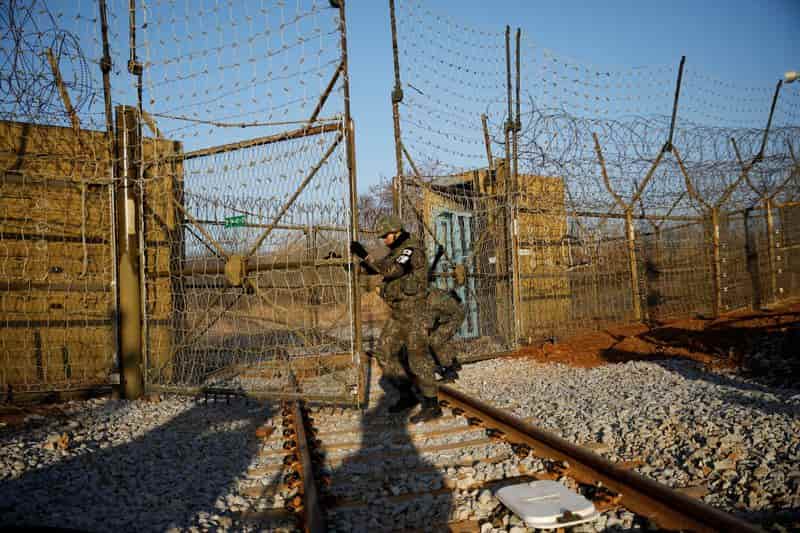
South Korea will restart work on a railway section that could eventually link to North Korea's eastern city of Wonsan, reviving a project halted for a decade despite frozen relations with Pyongyang. The move aims to improve access to peace and ecological tourism sites in the Demilitarized Zone and spur economic activity in border regions.
Key Numbers
2015year railway project launched
2016year railway project suspended
20,000visitor capacity of Wonsan-Kalma coastal tourist zone
2% to 3%annual spending of Inter-Korean Cooperation Fund over past decade
Who's Involved
Chung Dong-young
South Korean Unification Minister
Lee Jae Myung
South Korean President
Unification Ministry
South Korean government body announcing railway project revival
↳ Why This Matters
The revival of this stalled rail project signifies a continued, albeit challenging, effort by South Korea to pursue engagement and economic cooperation with North Korea, even amidst heightened tensions and Pyongyang's hostile rhetoric. It highlights a strategic focus on developing border regions and tourism infrastructure.