Key facts
- Dozens of ships continue to traverse the Red Sea despite Houthi threats.
- Several oil tankers carrying Saudi oil have reversed course, opting for longer routes.
- At least three oil tankers have been attacked in the Red Sea this week.
- Activity through the Bab al-Mandab Strait has increased according to some data.
- Prices for Brent crude oil have jumped to around $100 a barrel.
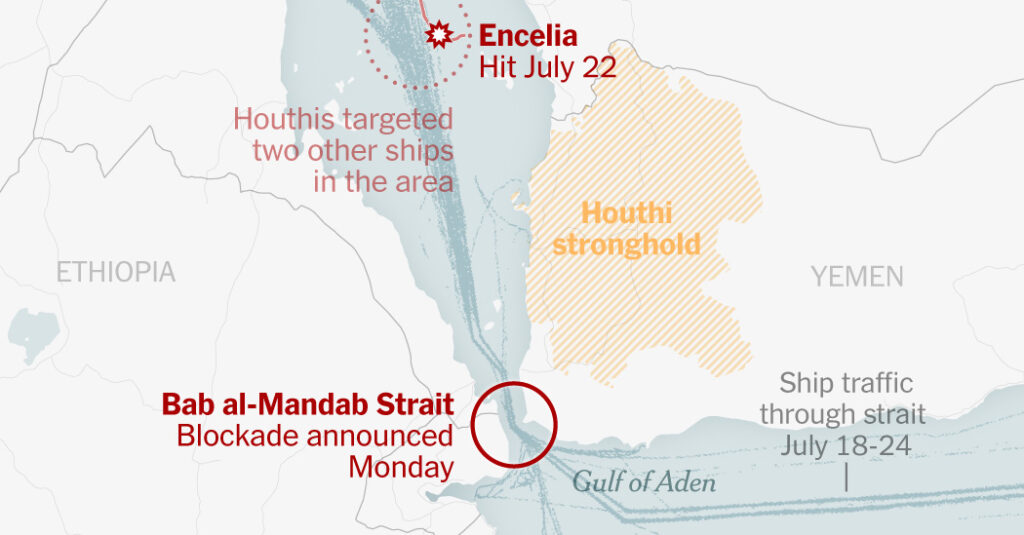
Dozens of ships continue to navigate the Red Sea despite threats of a blockade by the Iranian-backed Houthi militia, though uncertainty and scattered disruptions are growing. The militia announced a blockade of vital shipping passages, leading some vessels, including tankers carrying Saudi oil, to reverse course and opt for longer, more costly routes via the Suez Canal.
Maritime data indicates that while some ships are turning back, overall activity through the Bab al-Mandab Strait has seen an increase in recent days, even as Houthi aggression continues. At least three oil tankers have been attacked in the Red Sea this week, with one Saudi-owned vessel sustaining damage but continuing its journey. These disruptions come on top of existing issues around the Strait of Hormuz, potentially imperiling about 25 percent of the world's oil supply.
Analysts warn that rerouting tankers away from the Red Sea will increase costs and freight rates, potentially pushing crude oil prices above $100 per barrel. The situation is described as volatile, with some ships turning off their location transponders to avoid detection. The US President has stated that Washington will intervene if necessary, recalling previous actions against the Houthis.
Saudi Arabia has rejected the Houthi claims of a blockade, asserting its efforts to alleviate Yemen's humanitarian crisis and accusing the militia of rejecting peace initiatives. The UAE has also commented on the difficult period faced by regional militias.