Key facts
- Senior Saudi and UAE officials posted messages on X affirming their close historical ties.
- The posts by Saudi Minister of Media Salman Al-Dosary and UAE National Media Authority Chairman Abdulla bin Mohammed Alhamed were released simultaneously.
- The synchronized social media activity follows months of public disagreements between the two Gulf nations.
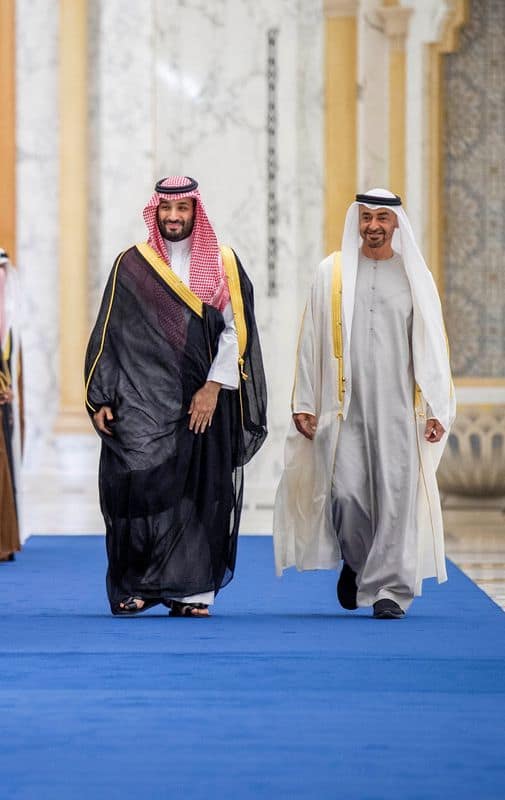
- A photo of Saudi Defense Minister Khalid bin Salman and UAE Vice President Sheikh Mansour bin Zayed Al Nahyan was also shared, captioned as "brotherly relations."
- Disagreements between Saudi Arabia and the UAE have surfaced over oil quotas, the war in Yemen, and responses to Iran.
Senior officials from Saudi Arabia and the United Arab Emirates used social media to signal a unified front, sharing similar posts that emphasized their close historical ties and "wise leadership." This coordinated messaging comes after months of public tensions and diverging interests between the two Gulf monarchies.
Saudi Minister of Media Salman Al-Dosary and Abdulla bin Mohammed Alhamed, Chairman of the UAE National Media Authority, both posted on X (formerly Twitter) at the same time, stating that their nations share a common history, heritage, and destiny. Both officials stressed that media should reflect these positive aspects and avoid undermining the relationship.
The recent friction between the two nations has been evident in disagreements over oil quotas, their involvement in the Yemen conflict, and differing responses to regional security threats, particularly concerning Iran. These divergences have occasionally spilled into open debate and criticism on social media and through media organizations.
Adding to the show of unity, Turki Alalshikh, a close associate of Saudi Crown Prince Mohammed bin Salman, shared a photograph of Saudi Defense Minister Khalid bin Salman and UAE Vice President Sheikh Mansour bin Zayed Al Nahyan with their arms around each other, describing their relationship as "brotherly relations and a deeply rooted partnership."
Experts suggested that while disagreements exist, they are not strategic and that common ground outweighs divergences. Gulf officials have recently called for unity within the Gulf Cooperation Council amid regional security concerns, including threats to Red Sea shipping.