All NewsEducationTV
Equities & FundsCrypto & Digital AssetsAI & TechnologyBusiness & CorporateUS Politics & PolicyGeopolitics & Global RiskMacro, Rates & FXCommodities & EnergyEuropean Politics & MarketsAsia-PacificReal Estate & Property
Story archiveAll categories
← All Stories

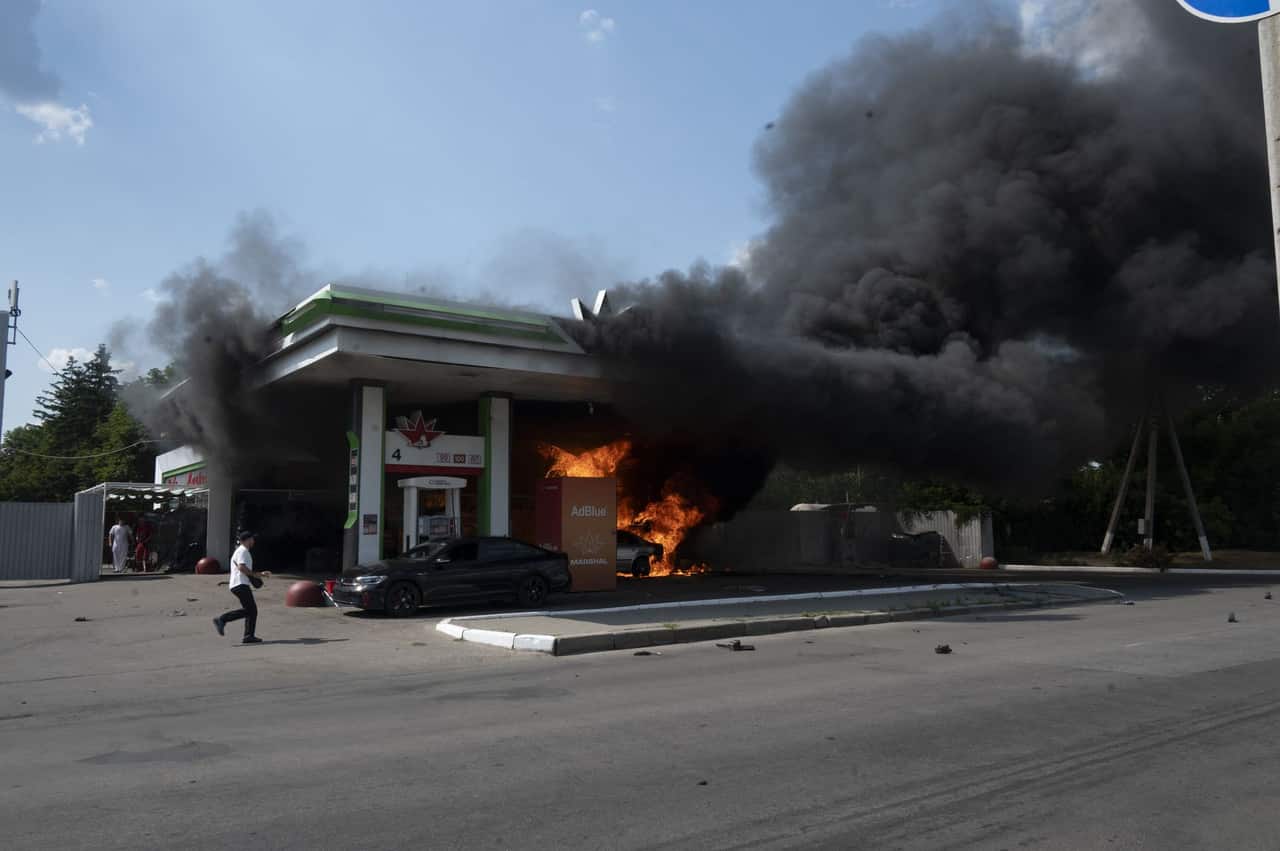
Russian drone attacks target Ukraine's gas stations, disrupting daily life and logistics

Created at 1 Aug · 1:21 PM1 source↑ Market-relevant
IN SHORT

Russia has intensified drone attacks on gas stations across Ukraine, expanding beyond eastern and southern regions to central areas. These strikes aim to disrupt civilian life, complicate fuel supplies for front-line operations, and serve a propaganda purpose.

✉Newsletter

PiQ Daily

Pick your topics. Get only what matters, on your cadence.

Key Numbers

66Russian attacks on gas stations in June
340%increase in gas station attacks from May to June
15gas station attacks in May
160gas stations mapped as hit in recent months
23gas stations hit in Kharkiv Oblast
19gas stations hit in Sumy Oblast
15gas stations hit in Zaporizhzhia Oblast
19facilities struck in Russia's Belgorod Oblast
5day period of strikes in Belgorod Oblast
30kilometers from Kyiv Oblast where a strike occurred
$500,000minimum cost to rebuild a gas station
several million dollarsmaximum cost to rebuild a gas station
$20,000minimum cost to replace pumps at a gas station
$30,000maximum cost to replace pumps at a gas station

Who's Involved

Frida Stoltz
Swedish volunteer injured in a gas station drone attack
Valerii
Gas station employee in Kharkiv expressing worry
Center for Information Resilience (CIR)
Nonprofit investigating human rights abuses and war crimes
Clément Molin
French open-source researcher mapping gas station attacks
Viktor Kevliuk
Defense expert on Russia's campaign against fuel infrastructure
Serhii Kuiun
Director of fuel market consultancy A-95
Ivan Stupak
Military expert and former Security Service of Ukraine officer
Russian drone attacks target Ukraine's gas stations, disrupting daily life and logistics

↳ Why This Matters

The escalating Russian drone attacks on Ukrainian gas stations pose a direct threat to civilian safety, disrupt essential daily life, and critically complicate fuel logistics for both the Ukrainian population and its military forces, potentially impacting the sustainability of front-line operations.

Key facts

  • Russia has significantly increased drone attacks on gas stations across Ukraine, targeting civilian infrastructure.
  • The attacks have expanded from eastern and southern regions to central Ukraine, impacting daily life and fuel logistics.
  • Experts suggest the strikes aim to disrupt civilian movement, supply front-line areas, and serve propaganda purposes.
  • Localized fuel shortages are emerging in front-line regions, affecting both civilians and military vehicles.
  • Rebuilding damaged gas stations can cost hundreds of thousands to millions of dollars, though repairs are often feasible.

Russia has escalated its drone attacks on gas stations across Ukraine, transforming routine refueling stops into deadly gambles for civilians and complicating logistics for both sides of the conflict. What began as targeted strikes in eastern and southern Ukraine have expanded into central regions, impacting towns and highways hundreds of kilometers from the front lines.

Frida Stoltz, a 37-year-old Swedish volunteer, was injured in a drone strike on a gas station in Pyriatyn, Poltava Oblast, highlighting the widening reach of these attacks. The strike, involving a 200-kilogram drone, injured six people and damaged equipment and vehicles.

Data from the Center for Information Resilience shows a significant surge in attacks, with 66 recorded in June, a 340% increase from May. French researcher Clément Molin has mapped approximately 160 gas stations hit in recent months.

Defense experts like Viktor Kevliuk believe Russia's campaign targets civilians to disrupt daily life and restrict fuel supplies to front-line areas. Serhii Kuiun, director of fuel market consultancy A-95, suggests the attacks also serve a propaganda purpose, mirroring Ukraine's strikes on Russian energy infrastructure.

Meanwhile, Russian media reported Ukrainian forces have also intensified attacks on gas stations in Russia's Belgorod Oblast. Military expert Ivan Stupak views these Ukrainian strikes as aimed at reducing pressure on their sector by hindering Russian logistics, particularly for vehicles and generators used in offensive operations.

These attacks significantly complicate fuel logistics for Ukrainian troops, who rely on the country's commercial gas station network to supplement their own fuel depots. Localized fuel shortages are already emerging in front-line regions like Sumy, Kharkiv, and Zaporizhzhia oblasts, affecting both civilians and soldiers.

The campaign's expansion westward, with a strike occurring near Kyiv Oblast, indicates a shift in Russia's strategy. While denser air defense in central and western Ukraine may pose challenges for drone operations, attacks on logistics hubs and gas stations along key transportation corridors remain a credible threat.

Fuel retailers face substantial financial losses, with rebuilding costs ranging from $500,000 to several million dollars per station. Despite the damage, repairs are often feasible, typically involving the replacement of above-ground infrastructure like pumps, costing between $20,000 and $30,000. Station owners are also investing in protective measures, including mobile shelters and reinforced structures.

Frequently asked questions

Experts believe the attacks aim to disrupt civilian life, restrict fuel supplies to front-line areas, and serve as propaganda by showing Russian actions mirroring Ukrainian strikes on Russian energy infrastructure.

Initially concentrated in eastern and southern Ukraine, the attacks have expanded into central regions and along major transportation corridors, moving closer to the capital.

Localized fuel shortages are emerging in front-line regions, affecting both civilians and military vehicles that rely on commercial gas stations.

Rebuilding a damaged gas station can cost hundreds of thousands to millions of dollars, though repairs to essential components like pumps are significantly less expensive. Many owners are investing in protective measures.

What Happens Next

01Russia is expected to continue targeting fuel infrastructure across Ukraine.
02Ukraine will likely continue to enhance its air defense capabilities.
03Fuel retailers will continue to invest in repairs and protective measures for their facilities.

Get the newsletter.

Pick the topics you actually care about. We'll email when there's news worth your time, on the cadence you choose. Cancel any time from your account.

Cadence

How It Developed

Russia has increased drone attacks on gas stations across Ukraine.
Attacks have expanded from eastern and southern regions to central Ukraine.
The Center for Information Resilience recorded 66 Russian attacks on gas stations in June, a 340% increase from May.
Researcher Clément Molin mapped 160 gas stations hit in recent months.
Experts believe the strikes aim to disrupt civilian life and fuel logistics for front-line areas.
The campaign may also serve a propaganda purpose amid Ukraine's strikes on Russian energy infrastructure.
Russian media reported Ukrainian forces attacked 19 gas stations in Russia's Belgorod Oblast.
Military experts suggest Ukrainian strikes on Belgorod gas stations aim to hinder Russian logistics.

Sources

T1
Russian drone attacks make stopping for gas in Ukraine a deadly gambleThe Kyiv Independent

Related Stories

Drones reportedly spark fires at major Russian oil refinery in Ufa
1 Aug · 10:42 AM
Crimean families queue for hot meals amid Ukrainian attacks
1 Aug · 12:27 PM
Zelensky cites new casualty figures, assassination attempt on commander
31 Jul · 6:36 PM
Russia strikes Ukrainian publisher's warehouse in Kharkiv
1 Aug · 12:16 PM
Russia's dual war strategy targets Ukrainian civilians
31 Jul · 5:41 PM