Key facts
- Russia rejected a Turkish proposal for a ceasefire and peace talks with Ukraine.
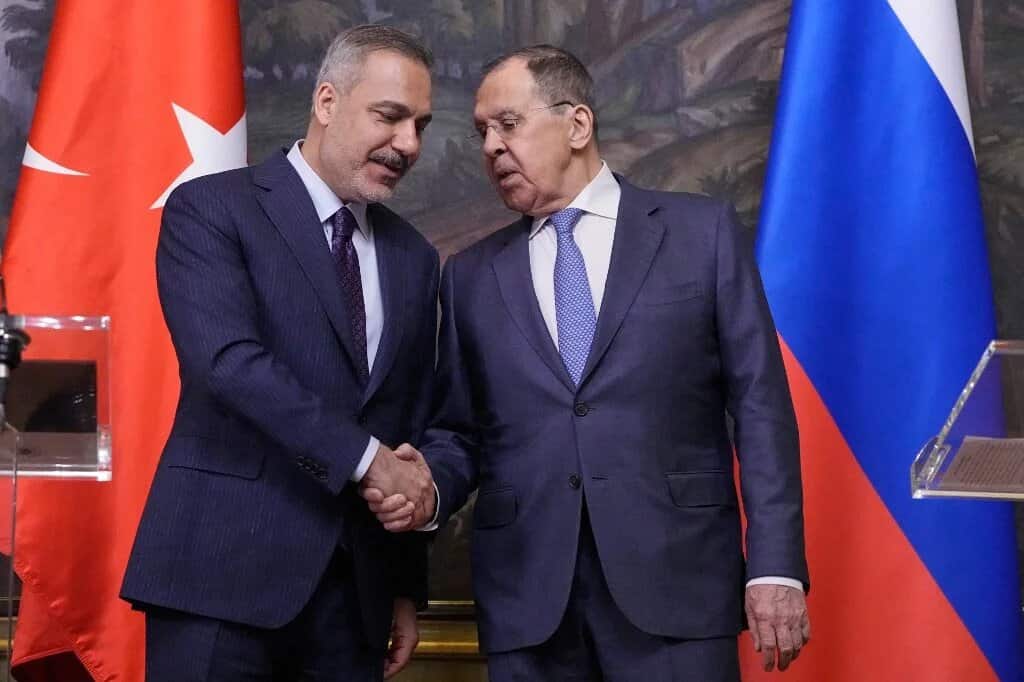
- The proposal was made by Turkish Foreign Minister Hakan Fidan during a visit to Moscow.
- Moscow's prerequisite for an agreement is Kyiv's recognition of Russia's annexation of Donbas.
- Russia continues to advance in eastern Ukraine, controlling over 80% of the Donetsk region.
- Russian banks are showing signs of stress due to increased risk-taking and subsidized mortgages, potentially leading to defaults and a property bubble.
- More than a dozen Russian banks are expected to cease operations this year.
Russia has once again rejected a Turkish proposal aimed at establishing a ceasefire and initiating peace talks with Ukraine, according to multiple sources. Turkish Foreign Minister Hakan Fidan presented the initiative to his Russian counterparts in Moscow on June 16-17, suggesting a need for a broad framework for negotiations and a temporary ceasefire.
However, Moscow politely declined to discuss the proposal, maintaining its firm stance that Ukraine must first recognize the annexation of the Donbas region for any lasting agreement. Russia currently controls over 80 percent of the Donetsk region, with ongoing military operations to encircle key cities. Despite Ukrainian efforts to resist Russian advances, reports indicate Russian troops have entered Kostyantynivka, and cities like Druzhkivka have been devastated, leaving Sloviansk and Kramatorsk as Ukraine's last major strongholds in the area.
Ankara had hoped that a successful ceasefire could lead to direct talks between the two nations in Turkey during the upcoming NATO summit in July. However, this prospect now appears unlikely.
Economically, Russia is facing significant challenges despite its territorial gains. Western analyses suggest deep cracks in its economy, exacerbated by over four years of conflict and sanctions. The Russian government is reportedly concerned about stress in the banking sector, potentially leading to a major crisis. Factors contributing to this include increased risk-taking by banks to attract investors, the risk of a property bubble fueled by subsidized mortgages, and the transfer of regional debt to banks through public-private partnerships. Consequently, more than a dozen Russian banks are expected to fail this year, and over half a million Russians filed for bankruptcy in 2025, a notable increase from the previous year.