Key facts
- Vladimir Putin ordered fuel subsidies for Crimea due to soaring fuel prices.
- Ukraine has intensified attacks on Russian logistics and shadow fleet tankers.
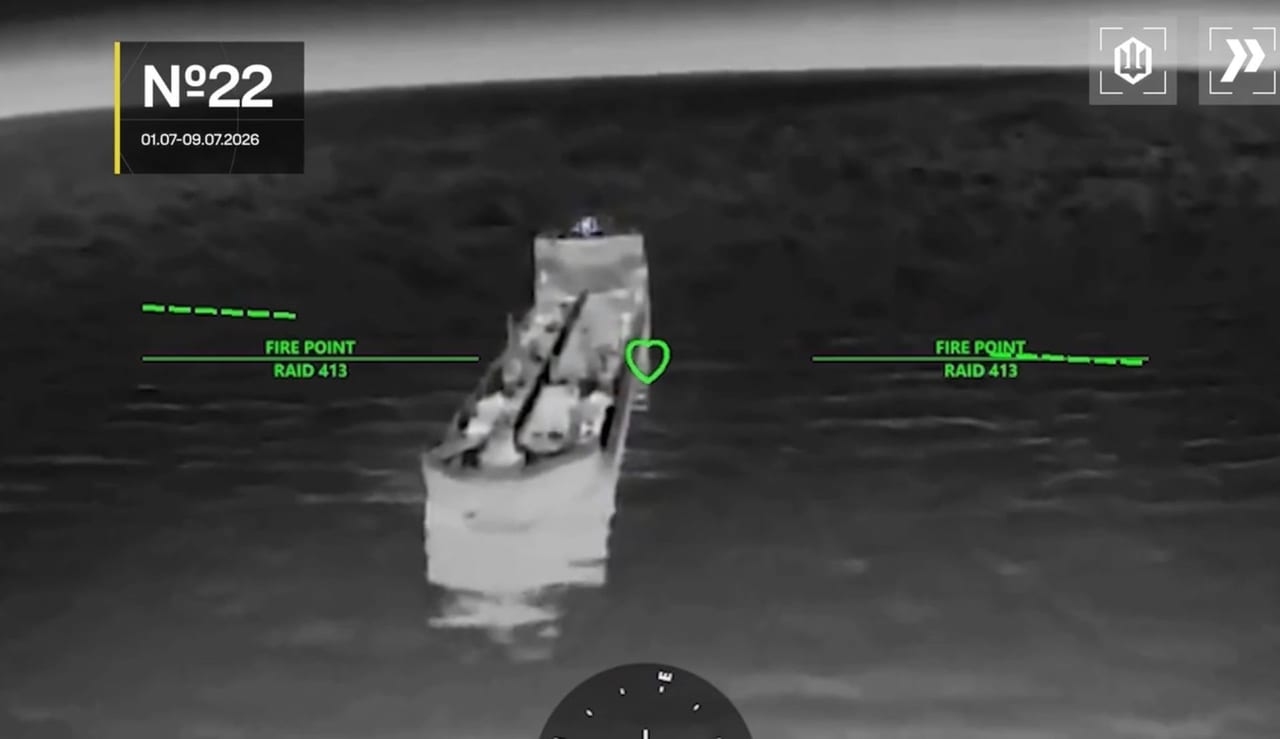
- 35 Russian vessels, including tankers, were struck in the Sea of Azov over three nights.
- Sevastopol is receiving only one-third of its daily fuel requirements.
- Russia banned diesel fuel exports until the end of July.
Russian President Vladimir Putin has directed the government to expedite fuel subsidies for residents of occupied Crimea, where soaring prices and blackouts are impacting the civilian population. This measure comes amid Ukraine's intensified campaign of long-range drone attacks targeting Russian logistics routes and its "shadow fleet" of tankers.
On July 8, Putin urged the Finance Ministry to disburse payments swiftly, stating that citizens should not bear the brunt of the escalating crisis. Ukraine has significantly ramped up its strikes across Russian-occupied territories and within Russia in recent weeks, contributing to a domestic fuel supply crunch. Crimea, in particular, has been severely affected, facing an effective siege by Ukrainian drones that have targeted its logistical pathways and electrical infrastructure.
Simultaneously, on July 8, the Russian government announced a ban on diesel fuel exports, effective until at least the end of the month, according to state media. Mikhail Razvozhayev, the Russian-appointed governor of Sevastopol, acknowledged the severity of the situation, noting that the city is currently receiving only about a third of its average daily fuel requirements, despite significant military efforts to alleviate the crisis.
Adding to the Kremlin's challenges, Ukraine's drone operations this week have specifically targeted Russian shadow fleet tankers used for fuel transport to Crimea, reportedly with significant success. Over three consecutive nights, Ukrainian drones struck 35 tankers, cargo ships, and other specialized vessels in the Sea of Azov, as reported by Ukrainian Unmanned Systems Forces Commander Robert Brovdi, known as "Madyar." Brovdi stated that "the shadow fleet of the worms is thinning."
Serhii Kuzan, Chairman of the Ukrainian Security and Cooperation Center, explained that these strikes are designed to weaken the enemy's logistical capabilities and prevent Crimea from functioning as a rear base for Russian forces in the south. He noted that the situation is deteriorating for both the local population and the occupying military, with resources being diverted from civilians to the military.