Key facts
- An Omani delegation arrived in Tehran to discuss managing ship traffic in the Strait of Hormuz.
- Oman and Iran previously held talks in Muscat on ensuring the safety and freedom of navigation in the Strait of Hormuz.
- The two nations agreed to continue discussions at technical and political levels.
- Iran warned it would not be bound by a deal with the US if violations persist.
- The US is demanding Iran cease attacks on ships and ensure open passage through the strait.
An Omani delegation has arrived in Tehran to engage in discussions with their Iranian counterparts regarding the management of maritime traffic within the Strait of Hormuz. This visit follows earlier talks held in Muscat, where both nations addressed the safety and freedom of navigation in the crucial waterway, especially in light of recent developments.
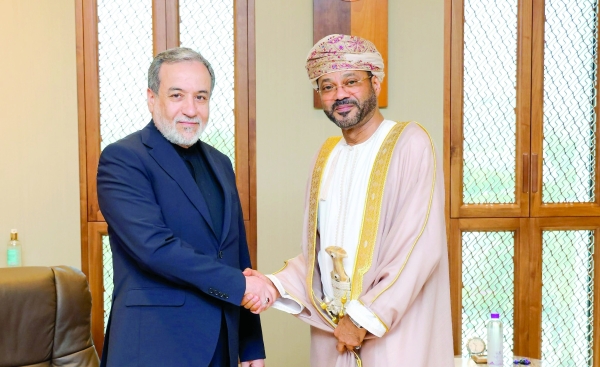
During the Muscat discussions, Omani Foreign Minister Sayyid Badr bin Hamad al Busaidy and Iran's Minister of Foreign Affairs Seyyed Abbas Araghchi agreed to continue dialogue at both technical and political levels to reach agreements consistent with international law. These diplomatic efforts occur amidst heightened tensions, with Iran warning that it may no longer abide by a deal with the United States aimed at resolving the Middle East war if US violations of the agreement persist.
Tehran's UN ambassador stated that if the US continues to breach its obligations under the 'Islamabad Understanding,' Iran will consider itself unbound by its commitments. The United States is reportedly demanding that Iran publicly commit to halting attacks on ships in the strait and ensure all shipping lanes remain open without tolls. These demands come after US strikes on six Iranian cities resulted in at least 17 deaths and 115 injuries. Iran's Supreme Leader, Ayatollah Mojtaba Khamenei, has threatened vengeance for the death of his predecessor, Ayatollah Ali Khamenei, stating that such retribution is the nation's demand.