Key facts
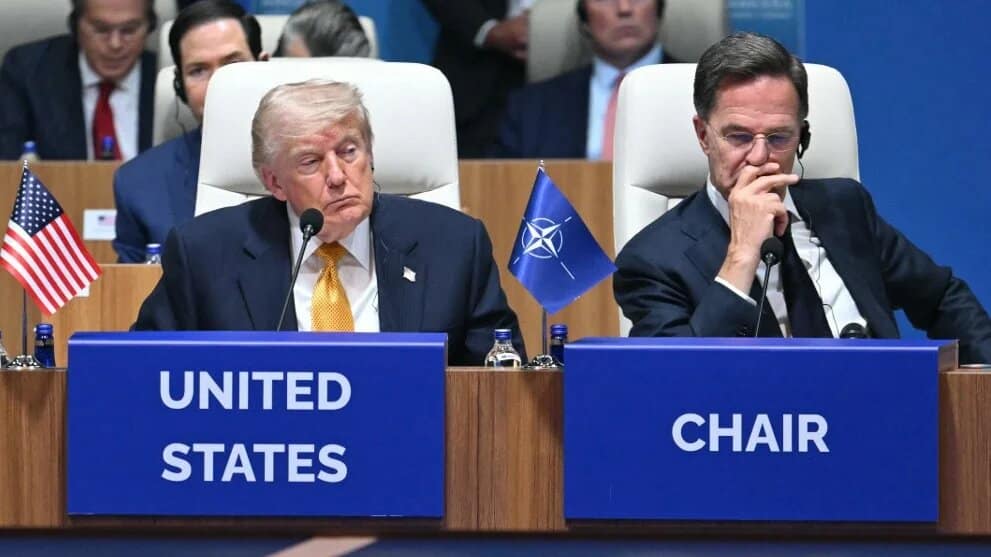
- Nato demonstrated resilience at its latest summit, reaffirming Article 5 and securing significant procurement commitments.
- The US remains central to Nato's capabilities, contributing 57% of total defence expenditures and providing critical strategic functions.
- Ukraine was highlighted as a contributor to transatlantic security, with substantial military aid pledged for 2026 and 2027.
- The summit saw a diplomatic breakthrough with Trump's intention to remove Syria from the US list of state sponsors of terrorism.
- Europe faces a substantial financial challenge, estimated at $1 trillion over 25 years, to achieve strategic autonomy and replace US capabilities.
Nato has demonstrated resilience, surviving its latest summit despite significant internal imbalances and external pressures. While the alliance reaffirmed its commitment to collective defence through Article 5 and secured substantial procurement pledges, the fundamental reliance on the United States for critical strategic capabilities persists.
The summit's outcomes, particularly regarding Ukraine, were positive. Allies pledged significant military equipment and assistance for 2026 and 2027, and Ukraine was recognized for its contributions to transatlantic security and its role in defence innovation. A notable diplomatic development was President Trump's announcement of his intention to remove Syria from the US list of state sponsors of terrorism, pending congressional review.
However, the underlying imbalance in defence spending and operational capabilities between the US and its European allies remains severe. The US accounts for a disproportionately large share of defence expenditures, while Europe continues to depend on American support for strategic intelligence, air-to-air refuelling, missile defence, and other key functions. The cost for Europe to achieve strategic autonomy and replace these capabilities is estimated at approximately $1 trillion over 25 years.
Despite challenges, including past declarations of Nato's "brain death" and specific tensions like Trump's stance on Greenland and European participation in Middle East operations, the alliance managed to maintain continuity. Turkey's role as host and its defence-industrial bargaining were instrumental in keeping the summit on track. The future of Nato hinges on Europe's ability to translate increased spending into combat power, Ukraine's continued integration as a security provider, and the preservation of the transatlantic bargain.