All NewsEducationTV
Equities & FundsCrypto & Digital AssetsAI & TechnologyBusiness & CorporateUS Politics & PolicyGeopolitics & Global RiskMacro, Rates & FXCommodities & EnergyEuropean Politics & MarketsAsia-PacificReal Estate & Property
Story archiveAll categories
← All Stories

Middle East conflict reroutes European travel via mainland China

Created at 2 Aug · 9:06 AM1 source↑ Market-relevant
IN SHORT

The ongoing conflict in the Middle East is prompting travelers to Europe to consider alternative routes through mainland China, as traditional transit hubs become less viable.

✉Newsletter

PiQ Daily

Pick your topics. Get only what matters, on your cadence.

Who's Involved

Airlines
Exploring alternative routes for European travel
Travel agencies
Considering mainland China as a transit option
Middle East conflict reroutes European travel via mainland China

↳ Why This Matters

The rerouting of travel due to the Middle East conflict underscores the global interconnectedness of geopolitical events and their impact on international commerce and logistics, forcing adaptation in the travel industry.

Key facts

  • The ongoing conflict in the Middle East is disrupting travel to Europe.
  • Mainland China is being considered as an alternative transit route.
  • This shift is driven by security concerns and the unreliability of traditional routes.

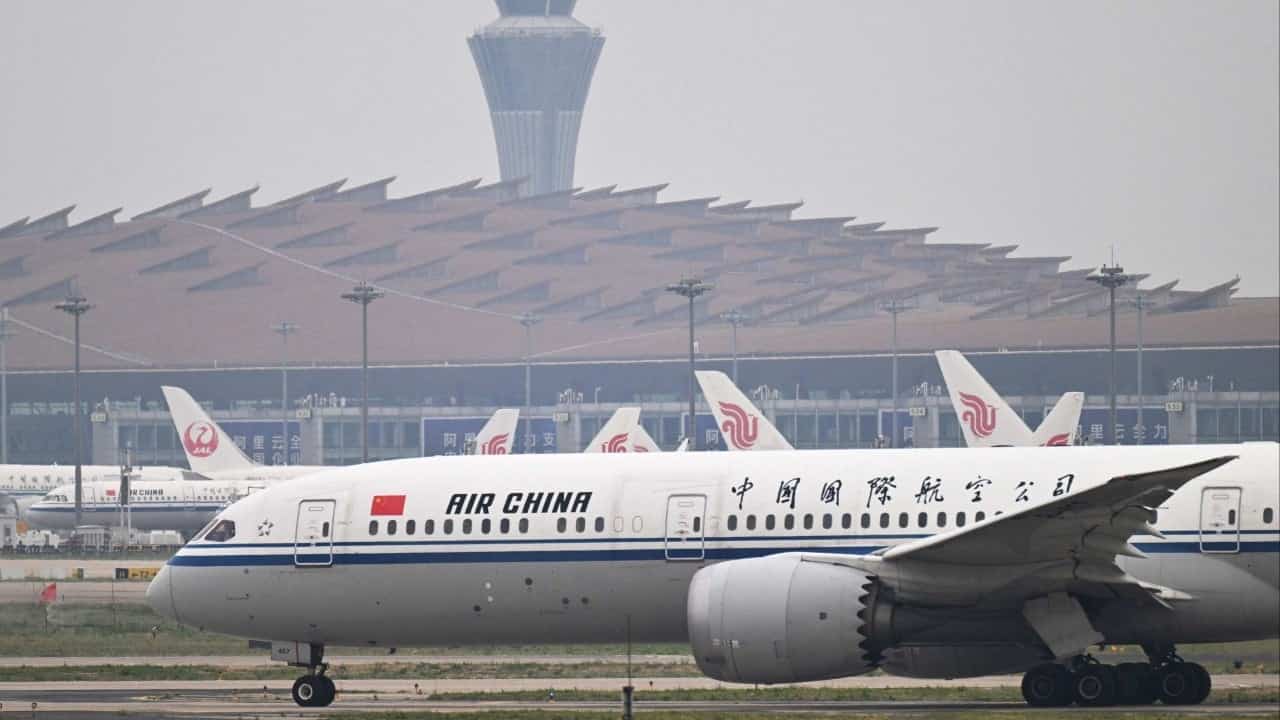
The escalating conflict in the Middle East is forcing a significant shift in global travel patterns, particularly for journeys to Europe. Traditional transit hubs are becoming less viable due to security concerns and potential disruptions, leading to the exploration of alternative routes. Mainland China is emerging as a potential transit option for travelers seeking to reach Europe, offering a different logistical pathway amid the ongoing geopolitical instability.

This development highlights the far-reaching economic and logistical impacts of regional conflicts, compelling industries like aviation and tourism to adapt rapidly. As traditional routes face uncertainty, the focus is shifting towards overland or alternative air corridors that bypass the affected regions. The viability and attractiveness of mainland China as a transit point will depend on factors such as visa policies, flight availability, and the overall travel experience.

Frequently asked questions

The ongoing conflict in the Middle East is creating security concerns and potential disruptions, making traditional transit hubs less reliable for travel to Europe.

Mainland China is being considered as a potential transit alternative for travelers heading to Europe.

Airlines and travel agencies are exploring these new routing options in response to the changing geopolitical landscape.

What Happens Next

01Airlines and travel agencies are expected to announce new routing options.
02Analysis of the feasibility and cost-effectiveness of China transit routes will continue.

Get the newsletter.

Pick the topics you actually care about. We'll email when there's news worth your time, on the cadence you choose. Cancel any time from your account.

Cadence

How It Developed

Middle East conflict is impacting traditional travel routes to Europe.
Mainland China is emerging as a potential transit alternative for European travel.
Airlines and travel agencies are exploring new routing options.

Sources

T1
Mainland transit offers alternative for Europe trips amid Middle East warSouth China Morning Post

Related Stories

US embassies urge citizens to consider departing Middle East amid Iran tensions
1 Aug · 3:46 PM
Trump claims Mideast allies outlined deal to end Iran conflict
2 Aug · 3:06 AM
Iran warns Gulf states against allowing US/Israel use of territory for attacks
1 Aug · 9:11 PM
US to send 10 more refueling planes to Israel amid Iran tensions
2 Aug · 3:31 AM
New Zealand seals Pacific defence pacts to counter China’s reach
2 Aug · 1:05 AM