Key facts
- China is increasing its use of the Arctic's Northern Sea Route for container shipping to Europe.
- This shift is driven by escalating Middle East conflicts and threats to shipping in the Red Sea and Bab el-Mandeb Strait.
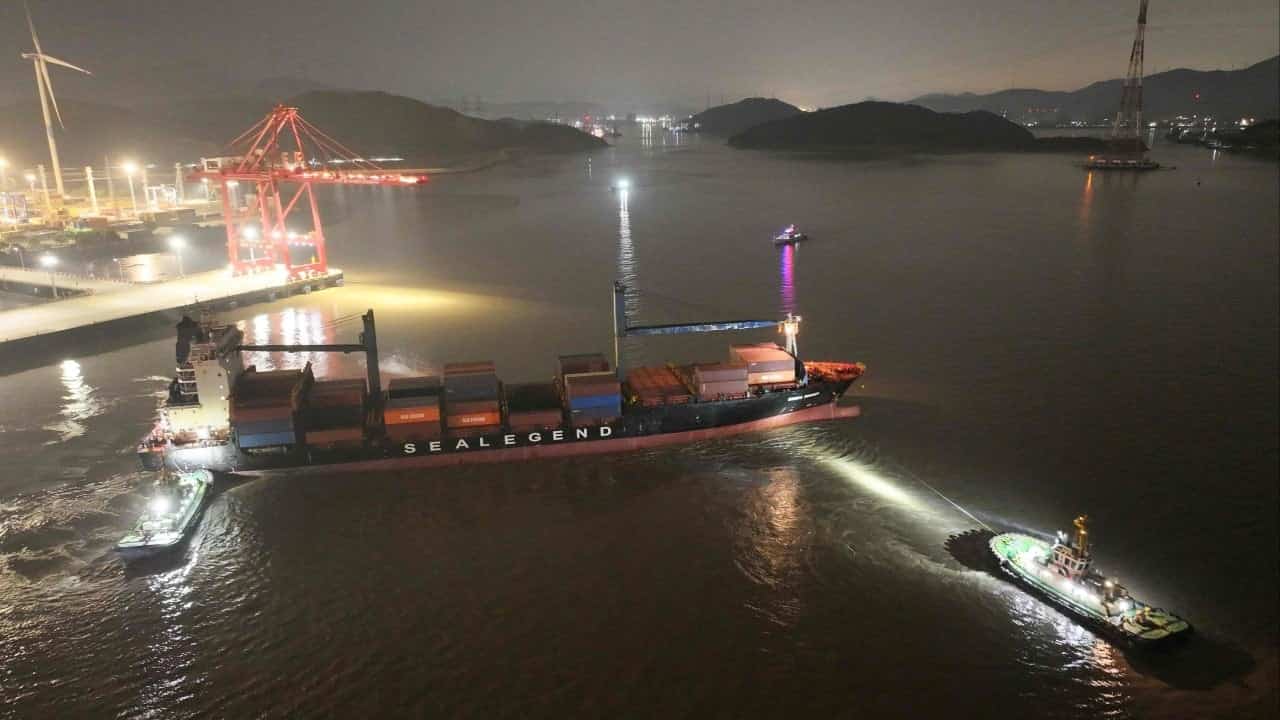
- China's Sea Legend is launching a regular weekly service via the Arctic, significantly cutting transit times.
- Western shippers have largely avoided the Arctic route due to environmental concerns and geopolitical factors.
- Russia manages navigation and permits for the Northern Sea Route.
Escalating conflicts in the Middle East, including the US President Donald Trump's rejection of a new Iran accord and increased fighting in Lebanon, have heightened threats to shipping in critical waterways like the Red Sea and the Bab el-Mandeb Strait. This instability has prompted China to increase its utilization of the Arctic's Northern Sea Route as an alternative trade path to Europe.
China's container shipping company, Sea Legend, is launching a regular weekly service along this 'Ice Silk Road,' which significantly reduces transit times between China and the UK by approximately half compared to traditional routes via the Suez Canal or around the Cape of Good Hope. The melting Arctic ice in summer makes this northern route more accessible and cost-effective, as ice-breaker vessels are not always required.
Despite the potential benefits, Western shipping giants such as Maersk, Hapag Lloyd, and MSC have expressed reservations about using the Arctic route. Their concerns stem from the underdeveloped infrastructure for commercial shipping, potential impacts on the fragile Arctic ecosystem, and strained relations with Russia, which manages navigation and permits for the Northern Sea Route through its State Atomic Energy Corporation Rosatom. Allianz has also highlighted operational risks, noting a significant number of incidents in Arctic waters primarily due to machinery damage or failure, and the challenges associated with search and rescue operations in the remote region.