Key facts
- Lebanon marked the sixth anniversary of the August 4, 2020, Beirut port blast.
- The blast, caused by improperly stored ammonium nitrate, killed over 200 people.
- An investigation into the blast was previously stalled by political interference.
- A new investigation report submitted in March 2026 reportedly implicates 70 individuals.
- Lebanon's Justice Minister affirmed the state's commitment to seeing the case through.
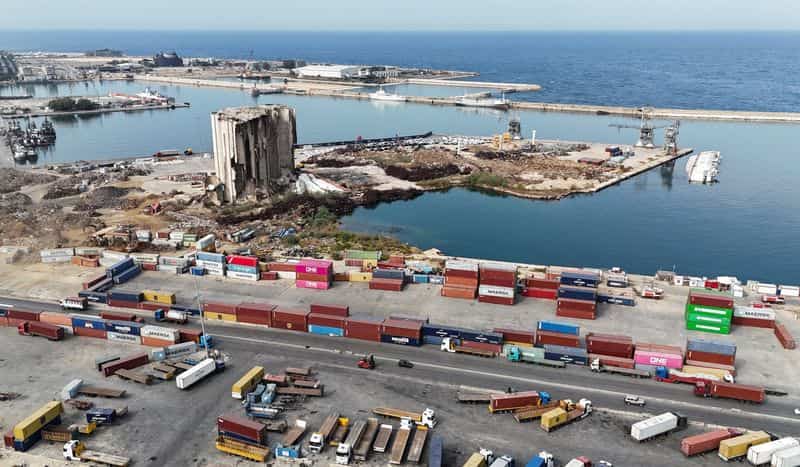
Six years after the devastating explosion at Beirut port, victims and Lebanese officials are expressing a renewed, albeit cautious, hope for justice. The blast on August 4, 2020, which claimed over 200 lives and devastated large areas of the capital, is believed to have been caused by improperly stored ammonium nitrate.
An investigation into the incident has been repeatedly stalled by political interference, with legal challenges effectively paralyzing the probe. Families of the victims, like Paul Naggear whose daughter was killed, have expressed frustration over the lack of progress, stating that the absence of justice devalues the lives lost.
A turning point appears to have emerged with the inauguration of President Joseph Aoun and Prime Minister Nawaf Salam in early 2025, who pledged accountability. Judge Tarek Bitar has since resumed his investigation, submitting a report to the public prosecutor's office in late March 2026. According to a senior judicial official, this report includes accusations against 70 individuals for offenses linked to the blast.
Following a response from the public prosecutor, Bitar is expected to prepare a public indictment, which will name the accused and initiate the trial process. Lebanon's Justice Minister Adel Nassar emphasized the judiciary's commitment to pursuing the case to its conclusion, stating that silence on such a disaster would undermine the credibility of the judicial system.