Key facts
- Japan is seeking to diversify its sources of crude oil and rare earths through new trade agreements.
Japan is pursuing trade agreements with Ecuador and the Mercosur bloc to diversify its sources of crude oil and rare earths. Foreign Minister Toshimitsu Motegi met with his Ecuadorian counterpart to discuss an economic partnership agreement, aiming for early conclusion. These moves align with Japan's strategy to bolster economic ties in resource-rich South America and counter growing protectionism.
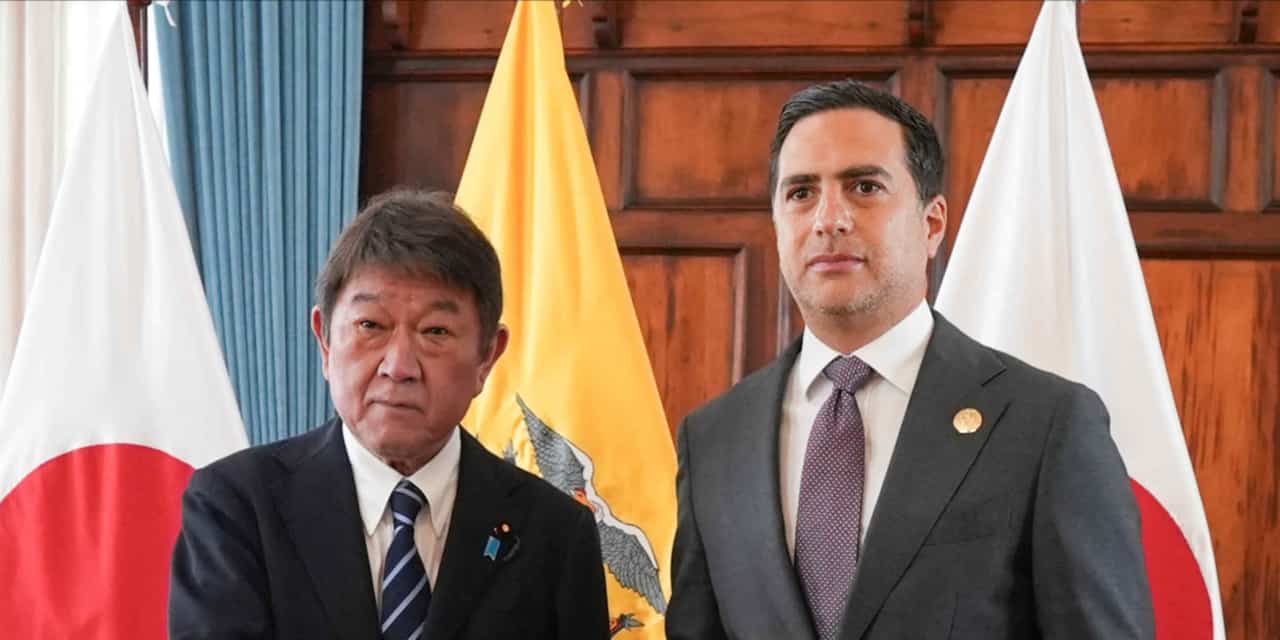
Japan's pursuit of resource diversification through EPAs with Ecuador and Mercosur signals a strategic effort to bolster economic security and counter global protectionist trends, potentially reshaping supply chains for critical commodities.
Japan is actively seeking to expand its trade cooperation with South American nations, aiming to secure stable supplies of critical resources like crude oil and rare earths. This strategic move follows a preliminary agreement to initiate negotiations for an Economic Partnership Agreement (EPA) with the Mercosur trade bloc, comprising Argentina, Brazil, Paraguay, and Uruguay.
In parallel, Japan's Foreign Minister Toshimitsu Motegi met with his Ecuadorian counterpart Roberto Kury in Quito. The two ministers agreed to continue discussions on deepening bilateral economic relations, with the goal of concluding an EPA. Working-level officials are tasked with advancing negotiations and reporting their progress by the end of the year. Both nations affirmed their commitment to enhancing cooperation in economic security, specifically focusing on making supply chains for crude oil and mineral resources more resilient.
Prime Minister Takaichi Sanae and Brazilian President Luiz Inacio Lula da Silva had previously agreed to commence EPA talks. Japan hopes these agreements will not only facilitate exports of automobiles, auto parts, and agricultural products but also ensure smoother access to vital minerals and crude oil. The initiative is also seen as a move to promote free trade amid rising protectionism, particularly from the United States. However, the negotiations may face challenges, as some Japanese agricultural organizations have expressed concerns about potential impacts on the domestic industry from increased imports of South American farm products.