Key facts
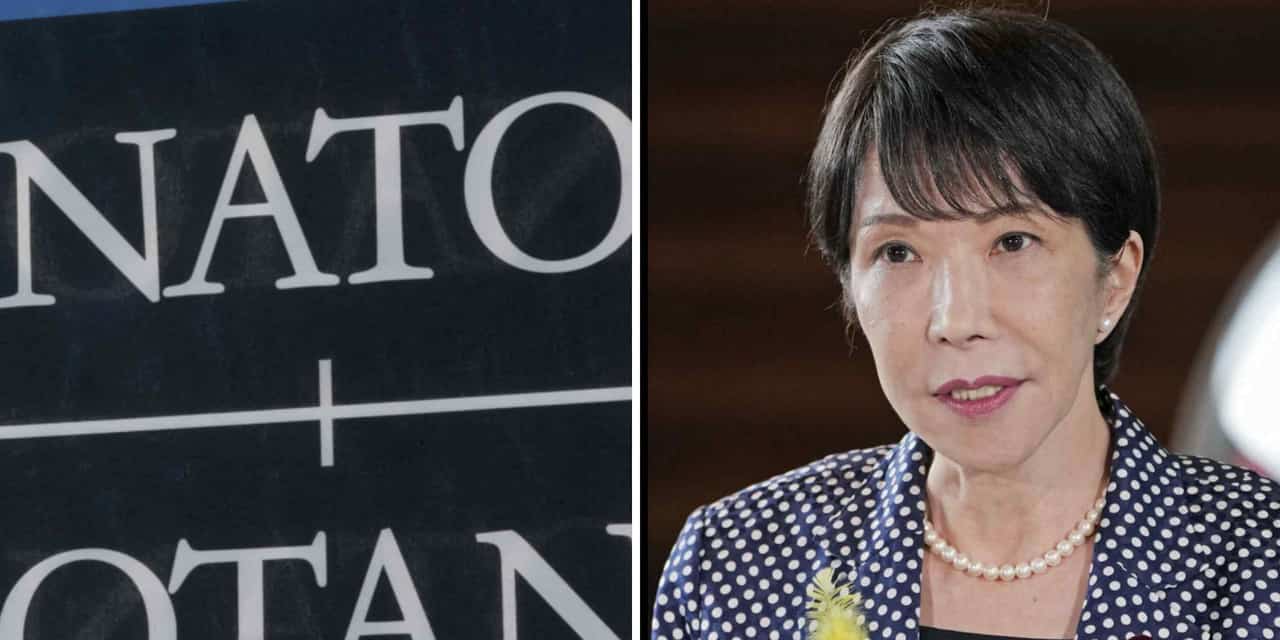
- Japanese Prime Minister Sanae Takaichi missed the NATO summit in Turkey.
- The Prime Minister stayed home to address a parliamentary standoff.
- Foreign Minister Iwaya Takeshi attended the summit in her place.
- Japan has been seeking to open a liaison office with NATO, but faced opposition.
- The decision to skip the summit occurred amid evolving geopolitical tensions and upcoming Japanese elections.
Japanese Prime Minister Sanae Takaichi missed an opportunity to deepen ties with European leaders at the recent NATO summit in Turkey, choosing instead to remain in Japan to manage a parliamentary standoff that has stalled her legislative agenda. This marks a significant absence, as Japan has been increasingly turning its strategic focus toward Europe amid evolving global security challenges.
Previously, Prime Minister Ishiba Shigeru had also canceled his attendance at a NATO summit in The Hague from June 24 to 25, citing "various circumstances." Foreign Minister Takeshi Iwaya attended in his place, meeting with NATO Secretary General Mark Rutte and U.S. Secretary of State Marco Rubio. During these meetings, progress in Japan-NATO relations was welcomed, and cooperation in fields including the defense industry was discussed. However, Japan's pursuit of a NATO liaison office in Tokyo faced opposition from France and caution from Germany, partly due to concerns about China's potential backlash.
The "various circumstances" for Ishiba's cancelation likely included U.S. strikes on Iranian nuclear sites, which could have complicated a Japan-U.S. bilateral summit. The decisions of Australian Prime Minister Anthony Albanese and South Korean President Lee Jae-myung to also cancel their attendance made an IP4-U.S. summit impossible. Upcoming upper house elections in Japan, scheduled for July 20, also played a role in the decision-making.
The absence of top Japanese leadership at the NATO summit highlights a potential shift in engagement, particularly as the current Trump administration has shown less interest in promoting cross-regional cooperation between NATO and its Indo-Pacific Four (IP4) partners. President Donald Trump's emphasis on transactional negotiations over defense spending has reportedly impacted the momentum for such cooperation. Ishiba's decision may reflect a strategy to avoid confrontation with Trump on sensitive issues like defense expenditures and trade, especially given the Japanese government's fragile approval ratings and the impending elections. This absence risks halting progress in advancing defense industrial ties with European NATO partners at a critical juncture.