Key facts
- A 7.1-magnitude earthquake hit southern Japan, causing widespread damage.
- The quake has resulted in at least 17 confirmed deaths, with more casualties reported.
- Thousands of households are experiencing prolonged outages of water and electricity.
- High summer temperatures exacerbate the challenges posed by the lack of essential services.
- Major manufacturers, including Toyota and Sony, have suspended production due to the disaster.
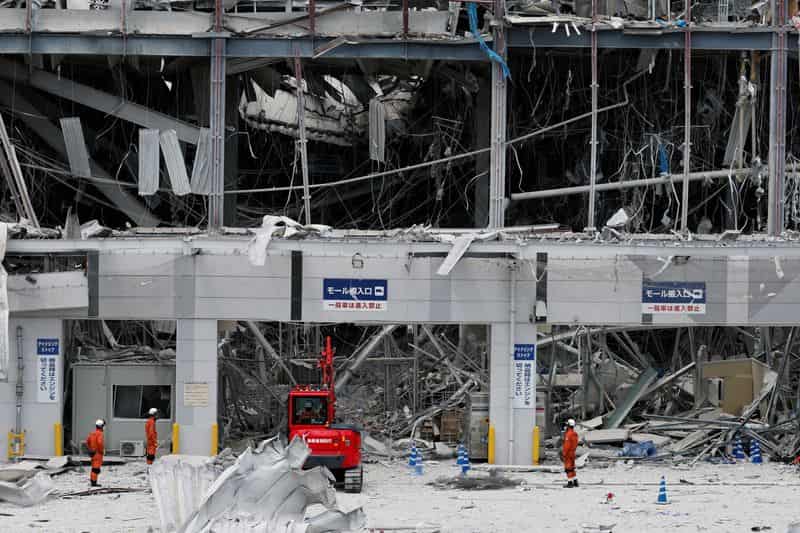
A powerful 7.1-magnitude earthquake struck southern Japan, causing significant damage to infrastructure and leading to a rising death toll. The city of Yatsushiro, home to approximately 58,000 households, is grappling with a severe lack of running water and electricity, compounded by intense summer heat reaching up to 35 degrees Celsius and forecast to climb near 40 C over the weekend. Relief efforts are underway, with the Self-Defense Force distributing water and installing air-conditioning units in evacuation centers. However, officials like Yatsushiro town official Akio Matsushita express deep concern over the extensive damage to water mains, with no clear timeline for repairs. The disaster has also impacted key industries, forcing major manufacturers such as Toyota, Honda, Nissan, Aisin, and Sony to halt production, and prompting Taiwan's TSMC to suspend operations briefly. The region, situated on the Pacific 'Ring of Fire,' is prone to earthquakes, but the severity of this tremor has been particularly impactful for residents like Masahiro Miyamoto, who described the shaking as unprecedented. The quake's aftermath highlights the vulnerability of critical infrastructure and the immediate human cost of natural disasters, especially when combined with extreme weather conditions.