Key facts
- Jack Letts, a British-born Canadian citizen, contacted his parents from an Iraqi detention center after nine years.
- Letts conveyed a message that Iraqi authorities want to repatriate him and other foreign nationals before trial.
- He was transferred to Iraq earlier this year from a Syrian prison where he was held since 2017.
- Canada has repatriated women and children from Syria but refused male prisoners on national security grounds.
- Legal experts question the validity of trying detainees in Iraq for alleged offenses committed in Syria.
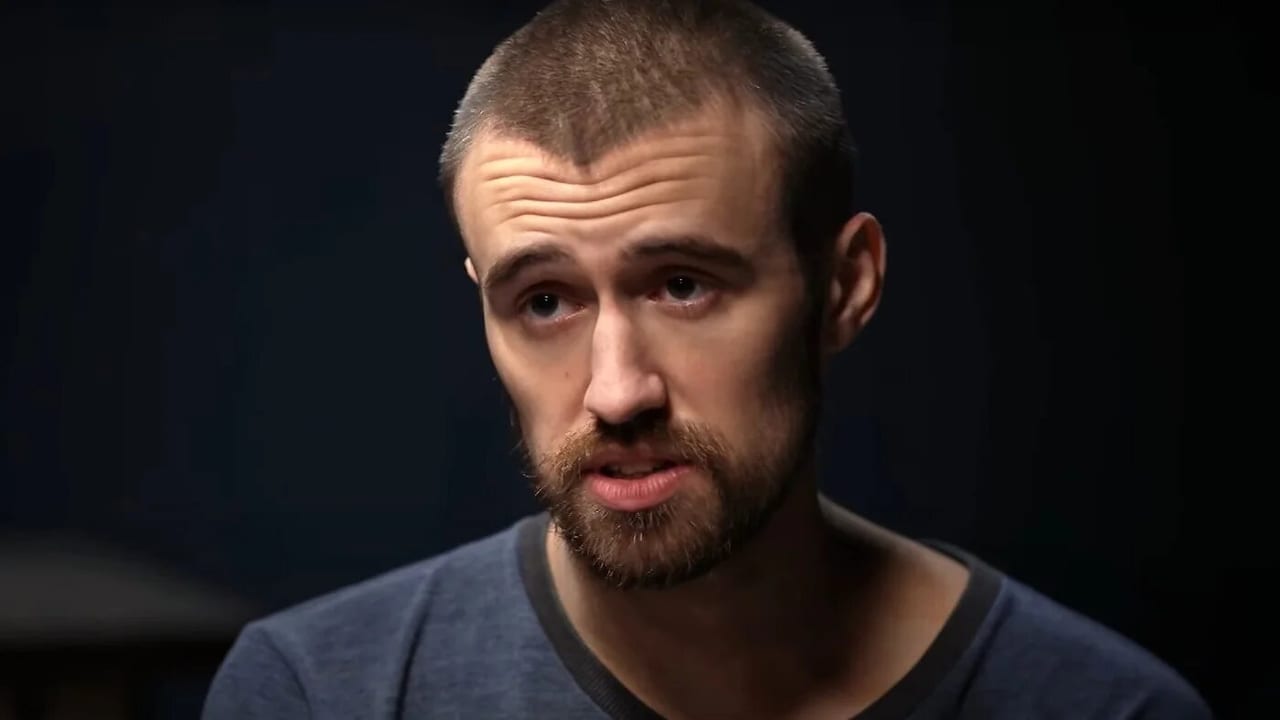
The parents of Jack Letts, a British-born Canadian man who travelled to Islamic State-controlled territory in 2014, received an unexpected phone call from their son, who is currently held in an Iraqi detention center. Sally Lane and John Letts described their shock and relief after speaking to their son for the first time in nine years. Letts, who was detained by Kurdish forces in Syria in 2017 and later transferred to Iraq with thousands of other foreign nationals, conveyed a message that Iraqi authorities are eager to repatriate these individuals before any trial.
Letts, 30, was stripped of his British citizenship in 2017. He denies being a member of IS but stated he could not reveal more while imprisoned. His parents believe the three-minute phone call, facilitated by Iraqi officials, signals growing pressure on Western nations like Canada and the UK to take responsibility for their citizens. Canada has repatriated some women and children from Syria but has refused male prisoners due to national security concerns, advising families to hire local lawyers.
Legal experts and human rights organizations, including Human Rights Watch, have expressed serious concerns about the prospect of detainees facing unfair trials, torture, and other violations of due process in Iraq. Clive Stafford Smith, a human rights lawyer, called the idea of trying detainees in Iraq for offenses allegedly committed in Syria "legal nonsense." John Letts accused the Canadian government of using evasive language and maintaining its stance against repatriations. Despite the brief call, Jack Letts managed to provide his father with the names of two fellow detainees who he was concerned about. His parents intend to travel to Iraq soon in hopes of visiting him.