Key facts
- Israel has established a new occupied zone in southern Lebanon, about 10 km deep.
- The stated aim is to protect Israeli border towns from Hezbollah.
- Military veterans who served in Lebanon in the past see the current occupation as a potentially doomed strategy.
- Prime Minister Benjamin Netanyahu views the zone as a significant achievement in preventing militant footholds.
- A peace movement founder compares the current situation to the past, stating "We are making the same mistake now."
- Talks are underway between Israel and Lebanon, with U.S. backing, to disarm Hezbollah and seek a peace accord.
Israeli military veterans are expressing concern over the newly established occupied zone in southern Lebanon, drawing parallels to past conflicts and questioning the long-term effectiveness of the strategy. The territory, now about 10 km deep, is intended by Israel to protect its northern towns from Hezbollah, the powerful Iran-backed militia.
Some veterans who served in the "security strip" during the late 1980s and 1990s describe the current situation as a "deadly replay of a doomed strategy." They recall the daily toll of casualties and the unclear objectives of previous occupations. Gil Shely, who served in the late 1980s, stated, "Looking back, it was all fairy tales," and expressed heartbreak over "unnecessary sacrifice" when soldiers are killed.
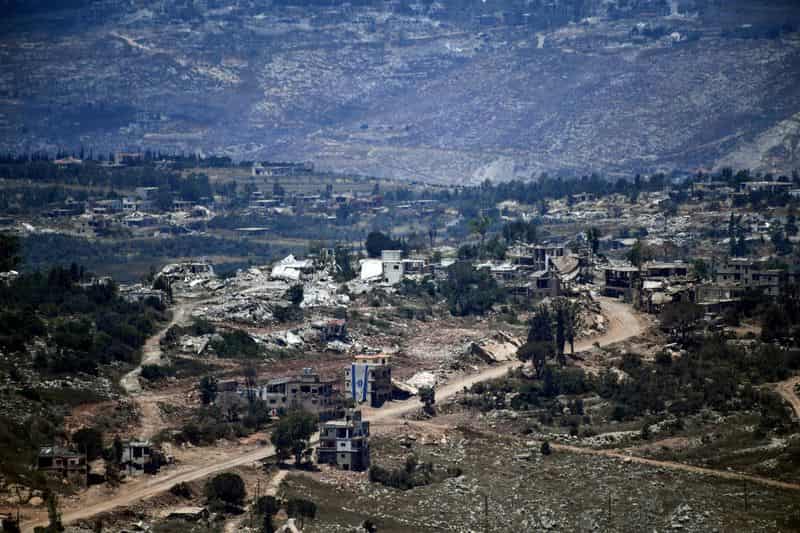
Prime Minister Benjamin Netanyahu, however, has highlighted the buffer zone as a significant achievement, stating it prevents militant groups from having a foothold on Israel's border. He visited troops on June 30, emphasizing the destruction of infrastructure used for attacks. The zone itself is largely deserted, with villages destroyed and military vehicles patrolling through rubble.
Advocates for peace, such as Rachel Madpis Ben-Dor of the "Four Mothers - Leave Lebanon in Peace" movement, see a repetition of past mistakes. She stated, "Then — our children, and now our grandchildren. We are making the same mistake now." She believes soldiers can protect her town from the border and desires peace with Lebanon.
Politician Benny Gantz, who was a brigadier-general during Israel's 2000 withdrawal, argued that a buffer is necessary, but must be a combination of military, security, and diplomatic efforts. He noted that Israel and Lebanon are currently engaged in U.S.-backed talks aimed at disarming Hezbollah and reaching a peace accord, a prospect he hopes will allow soldiers to return home.