Key facts
- Israel has designated three villages in southern Lebanon as 'pilot zones' under a June 2026 framework agreement with the US and Lebanon.
- The agreement's stated goal is a gradual Israeli withdrawal and handover of sovereignty to the Lebanese Army, ending Hezbollah's presence.
- Experts contend Israel's true aim is to use these zones to undermine Hezbollah and prolong its occupation of southern Lebanon.
- Despite the 'pilot zone' designation, Israeli forces continue military actions, including demolitions and bombardments, in adjacent areas.
- Residents report widespread destruction, lack of security, and blocked access, rendering their homes uninhabitable and preventing return.
- The framework agreement lacks clarity on the timeline for Israel's withdrawal from the broader 'buffer zone'.
Israel's designation of three villages in southern Lebanon as 'pilot zones' is intended to mask a continued occupation rather than facilitate a genuine withdrawal, according to experts. The framework agreement, signed in June 2026 between Israel, the United States, and Lebanon, theoretically aims for a gradual Israeli withdrawal and the handover of sovereignty to the Lebanese Army, coupled with the end of Hezbollah's armed presence.
However, political science professor Daniel Meier argues that Israel's primary objective is to use these zones as a tool to undermine Hezbollah's influence and prolong its military presence. He stated that the main goal is to 'continue their occupation and slow down to the maximum their withdrawal from south of Lebanon.' This contradiction is evident on the ground, where Israeli forces remain in adjacent areas, carrying out near-daily demolitions and bombardments in villages like Zawtar al-Sharqiyeh, which is just hundreds of metres from the designated 'pilot zone' of Zawtar al-Gharbiyeh.
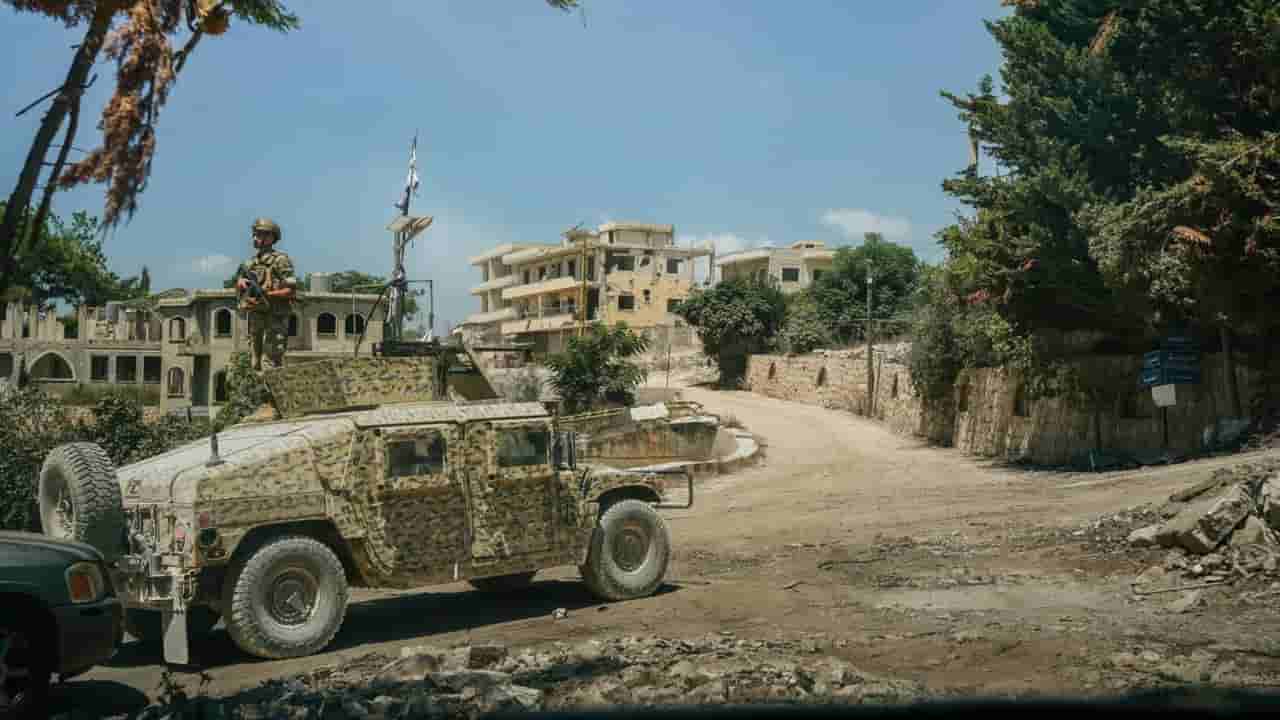
Data from Public Works Studio indicates that villages within the pilot zones have been subjected to house demolitions, ground incursions, controlled explosions, and arson between late June and late July 2026. During a visit, explosions were heard and smoke was seen rising from Zawtar al-Sharqiyeh. While Zawtar al-Gharbiyeh itself showed no signs of a sustained Israeli ground presence or occupation, unlike previously documented areas, the main access routes remain blocked by the continued Israeli presence in the surrounding area, preventing residents from returning and making the village uninhabitable.
Residents like Abbas Heri, who fled his hometown in February 2026, described their homes as destroyed and the village lacking security due to ongoing explosions. He noted that the main road connecting to Nabatieh remains inaccessible due to the Israeli presence in Zawtar al-Sharqiyeh. Assem Jaffar, a resident of Froun, another designated pilot zone, expressed disbelief at the government's negotiations with Israel and lamented the destruction and loss of life, stating that the claimed ceasefire is not in practice and that Israel continues to attack them.
The framework agreement fails to specify a timeline for Israel's withdrawal from the broader 'buffer zone' it has established along the border, an area Israeli officials intend to hold as long as Hezbollah remains armed. The designated pilot zones, including Zawtar al-Gharbiyeh, Froun, and Srifa, are situated near the outer edge of this self-declared zone of military control.