Key facts
- Israel has removed protected status from Nile crocodiles to enable a proposal for a prison surrounded by the animals.
- Environment Minister Idit Silman signed a decree creating a new legal category for crocodiles to be used for security.
- The plan was proposed by National Security Minister Itamar Ben Gvir, inspired by Florida's 'Alligator Alcatraz'.
- The decision faced opposition from the Environment Ministry's legal adviser and environmental groups, who cited lack of expertise and risks.
- Environmental organizations stated that prisons should rely on conventional security measures, not animals.
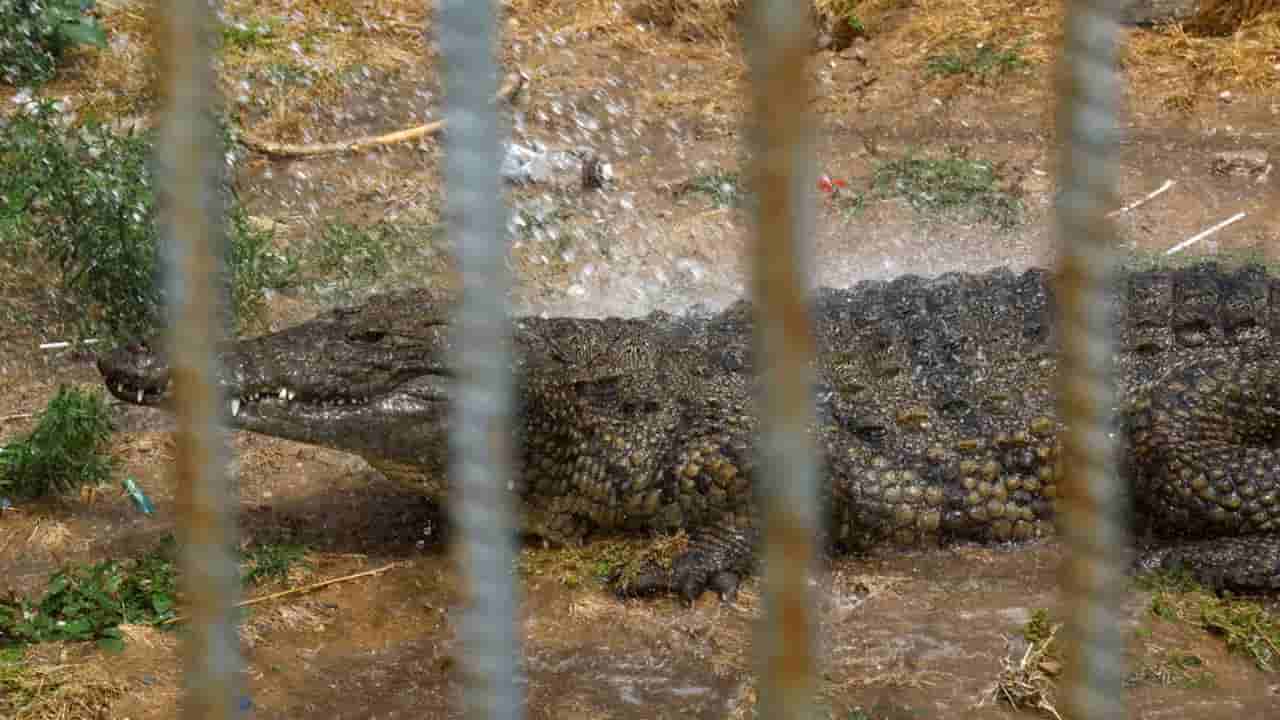
Israel's government has moved to strip Nile crocodiles of their protected status, enabling a controversial proposal to build a detention facility for Palestinian prisoners surrounded by the reptiles. Environment Minister Idit Silman signed a decree on Wednesday reclassifying Nile crocodiles as a "specially managed wild animal," a new legal category that permits the state to keep the animals for security purposes.
The decision follows months of pressure from National Security Minister Itamar Ben Gvir, who proposed the prison plan in December, inspired by Florida's "Alligator Alcatraz" immigration detention center. Ben Gvir, who oversees the Israel Prison Service (IPS), celebrated the move on social media, posting an image of himself with a crocodile and stating, "Damn terrorist, thinking of trying to escape? Think again."
However, the move went against the advice of the Environment Ministry's legal adviser, Neta Drori, and environmental groups. Drori argued that the IPS lacks expertise in raising dangerous wild animals and that the legal requirements for the declaration were not met. The Israel Nature and Parks Authority (INPA) also stated there was "no sufficient professional basis" for the plan and warned of "significant risks," doubting the prison service's ability to provide appropriate care.
Several environmental organizations issued a joint statement objecting to the use of animals for guarding and deterrence, emphasizing that crocodiles are sentient beings with complex needs. They also questioned the proposal's effectiveness, noting that crocodiles become sluggish and stop eating in winter, suggesting that security should be achieved through conventional means. Nile crocodiles have been protected in Israel since 2013.