Key facts
- U.S. forces conducted missile strikes on Iran's Karun nuclear power plant in Khuzestan province.
- Iran's UN ambassador, Amir Saeid Iravani, stated the facility is under IAEA safeguards and engaged in peaceful activities.
- The International Atomic Energy Agency confirmed the plant was in early construction stages with no fuel, posing no risk of release.
- Construction on the Karun (Darkhovin) power plant began in December 2022 with a planned capacity of 300 MW.
- The strike occurred amid heightened tensions, including Iran's closure of the Strait of Hormuz and U.S. naval blockades.
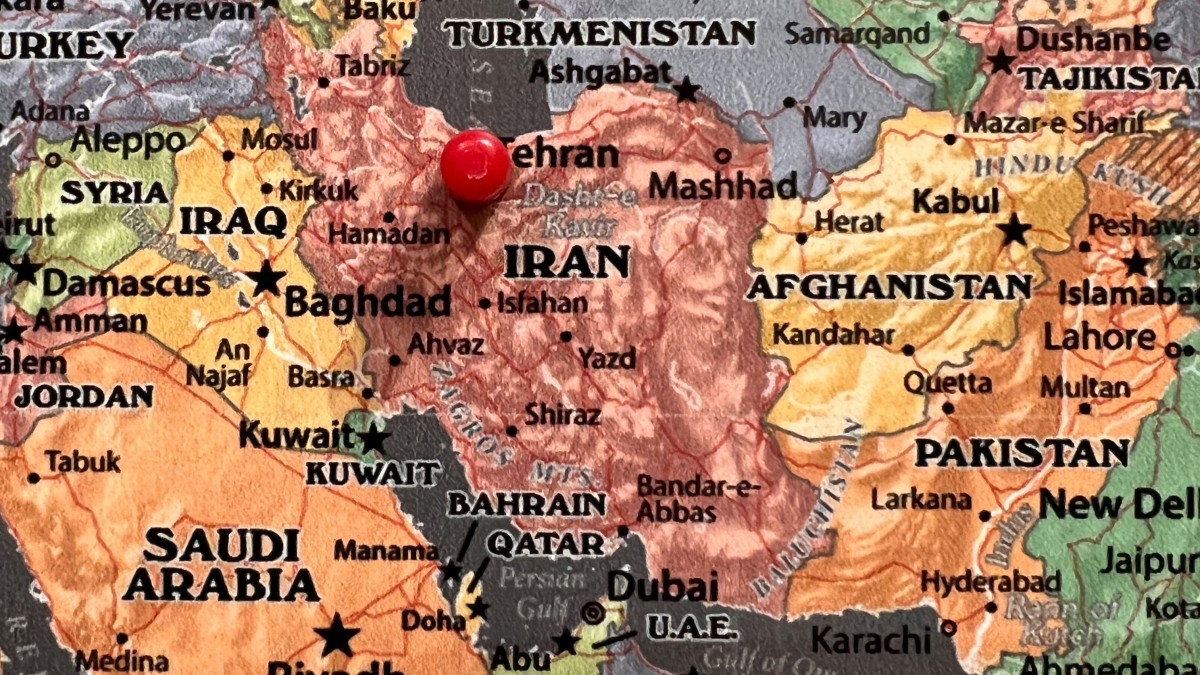
Iran has warned of a nuclear safety risk after the United States reportedly struck the Karun nuclear power plant, which is under construction in the southwestern province of Khuzestan. Iran's UN ambassador, Amir Saeid Iravani, informed the Security Council that U.S. forces fired multiple missiles at the facility.
Iravani asserted that the Karun plant, also known as Darkhovin, is covered by International Atomic Energy Agency (IAEA) safeguards and that all activities there are exclusively peaceful, transparent, and in full compliance with the nuclear deal. He urged the Security Council to condemn the strikes as a violation of international law, which prohibits attacks on civil nuclear facilities.
The IAEA stated that the attack did not risk a nuclear fuel release because the facility was in the early stages of construction and contained no fuel at the time of its last inspection. Construction on the Darkhovin power plant commenced in December 2022, and it is expected to have a nameplate capacity of 300 MW upon completion.
This incident is likely to complicate ongoing efforts to negotiate peace between Washington and Tehran, particularly amidst recent escalations such as Iran's shutdown of the Strait of Hormuz and the U.S. reinstating naval blockades on Iranian ports. Despite these tensions, oil traders have shown optimism regarding the possibility of peace.