All NewsEducationTV
Equities & FundsCrypto & Digital AssetsAI & TechnologyBusiness & CorporateUS Politics & PolicyGeopolitics & Global RiskMacro, Rates & FXCommodities & EnergyEuropean Politics & MarketsAsia-PacificReal Estate & Property
Story archiveAll categories
← All Stories

Iran Rejects Oman's Strait of Hormuz Control Proposal

Created at 29 Jul · 11:46 AM1 source↑ Market-relevant
IN SHORT

Iran has rejected a proposal from Oman to evenly share control of the Strait of Hormuz, demanding instead to control most of the critical chokepoint. The rejection comes amid renewed strikes in the region and rising oil prices.
✉Newsletter

PiQ Daily

Pick your topics. Get only what matters, on your cadence.

Key Numbers

threeoil tankers struck by IRGC

Who's Involved

Iran
rejected Oman's proposal for Strait of Hormuz control
Oman
proposed even division of Strait of Hormuz lanes
Islamic Revolutionary Guard Corps (IRGC)
claimed to have struck three oil tankers in Strait of Hormuz
U.S.
accused by Iran of pressuring Oman on proposal
Saudi Arabia
accused by Iran of pressuring Oman on proposal
Iran Rejects Oman's Strait of Hormuz Control Proposal

↳ Why This Matters

Iran's rejection of the Omani proposal and its assertion of control over the Strait of Hormuz, coupled with recent attacks, heighten geopolitical risks in a vital global energy transit route, potentially impacting oil prices and regional stability.

Key facts

  • Iran rejected Oman's proposal for an even division of control over the Strait of Hormuz.
  • Tehran demands control over inbound traffic and a portion of outbound lanes in the strait.
  • Oman's proposal included voluntary fees for navigation and environmental protection.
  • Iran's Islamic Revolutionary Guard Corps claimed to have struck three oil tankers in the Strait of Hormuz.
  • The IRGC issued a warning against U.S. interventions in the region.
  • Iran has rejected a proposal from Oman to evenly share control of the Strait of Hormuz, with Tehran demanding it maintain dominant control over the critical oil and LNG chokepoint. A senior Iranian official told Reuters that Oman had suggested dividing the lanes equally and implementing voluntary fees for navigation and environmental protection, similar to the Strait of Malacca system.

    However, Iran views this proposal as unrealistic and not in its interest, with the official suggesting that the U.S. and Saudi Arabia are behind the push for such plans. Tehran insists on controlling all inbound traffic into the Persian Gulf and a portion of the outbound lanes.

    The rejection comes as regional tensions escalate, with strikes and attacks resuming. The IRGC claimed on Wednesday to have struck three oil tankers in the Strait of Hormuz after they allegedly ignored warnings and used an unsafe route. The IRGC Navy asserted full control over the strait and warned that U.S. actions would not go unanswered.

    Frequently asked questions

    Oman proposed an even division of the traffic lanes in the Strait of Hormuz and suggested voluntary fees from ships to fund navigation, environmental protection, and rescue operations.

    Iran believes an evenly divided control is not in its interest and demands control over inbound traffic and part of the outbound lanes. An Iranian official also suggested external pressure from the U.S. and Saudi Arabia.

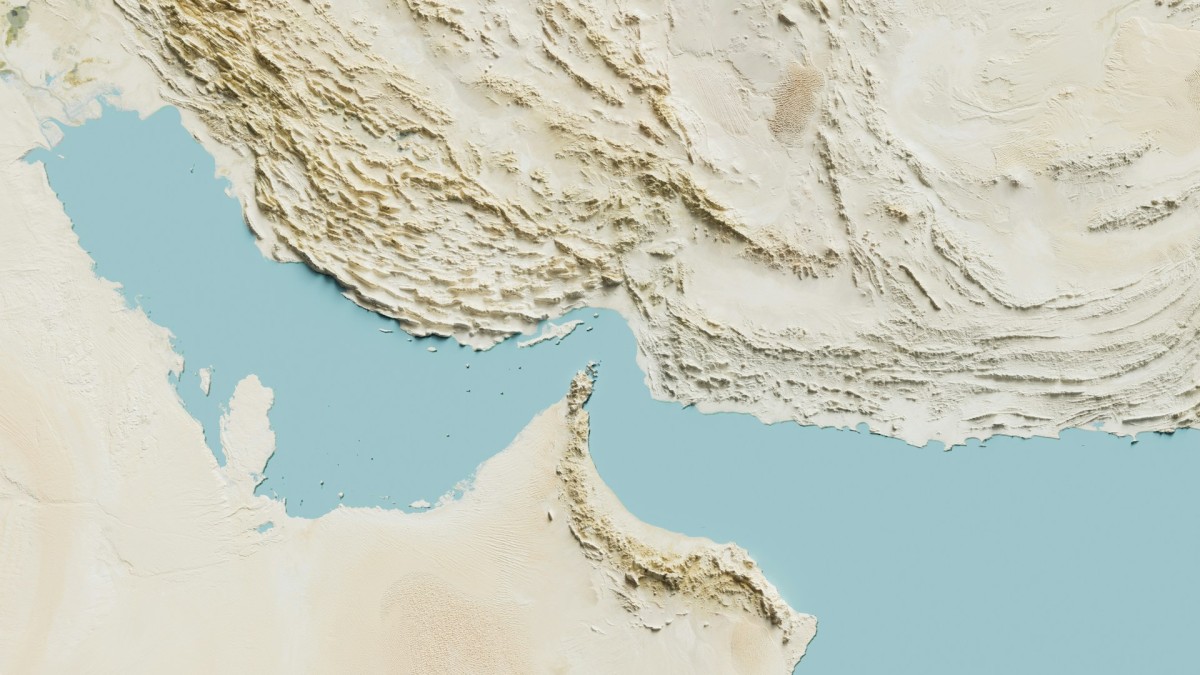
    The Strait of Hormuz is a critical chokepoint for global oil and LNG (liquefied natural gas) transportation, with a significant portion of the world's seaborne oil trade passing through it.

    Iran's Islamic Revolutionary Guard Corps claimed to have struck three oil tankers in the Strait of Hormuz after they allegedly ignored warnings and used an unsafe route.

    What Happens Next

    01Further diplomatic engagement between Iran and Oman regarding the Strait of Hormuz.
    02Monitoring of maritime traffic and security in the Strait of Hormuz.
    03Potential for further escalation of strikes or military actions in the region.

    Get the newsletter.

    Pick the topics you actually care about. We'll email when there's news worth your time, on the cadence you choose. Cancel any time from your account.

    Cadence

    How It Developed

    Oman proposed an even division of Strait of Hormuz lanes with voluntary fees for navigation and environmental protection.
    Iran rejected the Omani proposal, demanding control over inbound traffic and part of outbound lanes.
    An Iranian official accused the U.S. and Saudi Arabia of pressuring Oman to propose 'unrealistic plans'.
    Iran's Islamic Revolutionary Guard Corps claimed to have struck three oil tankers in the Strait of Hormuz.
    The IRGC warned that U.S. interventions would not go unanswered.

    Sources

    T1
    Iran Rejects Oman’s Proposal to Evenly Divide Hormuz ControlOilPrice.com

    Related Stories

    Iran launches ballistic missiles at US forces; Hormuz traffic remains low
    28 Jul · 5:47 PM
    Iran's IRGC stops three oil tankers in Strait of Hormuz
    29 Jul · 4:51 AM
    Markets Doubt US-Iran Ceasefire Durability
    28 Jul · 10:51 PM
    Centcom warns Iran to halt attacks after missile strikes on Jordan
    29 Jul · 1:51 AM
    US intercepts Iranian missile barrage as fighting falters
    29 Jul · 10:36 AM