Key facts
- Iran's chief negotiator, Mohammad Bagher Ghalibaf, stated the country is prioritizing diplomacy with the U.S. but is prepared for war.
- U.S. envoys Steve Witkoff and Jared Kushner met with Qatari Prime Minister Sheikh Mohammed bin Abdulrahman Al-Thani to discuss peace talks and the Lebanon ceasefire.
- Iran has exported over 40 million barrels of oil since a U.S. blockade was lifted.
- The U.S. House of Representatives voted against a resolution to limit President Trump's authority to use military force in Lebanon.
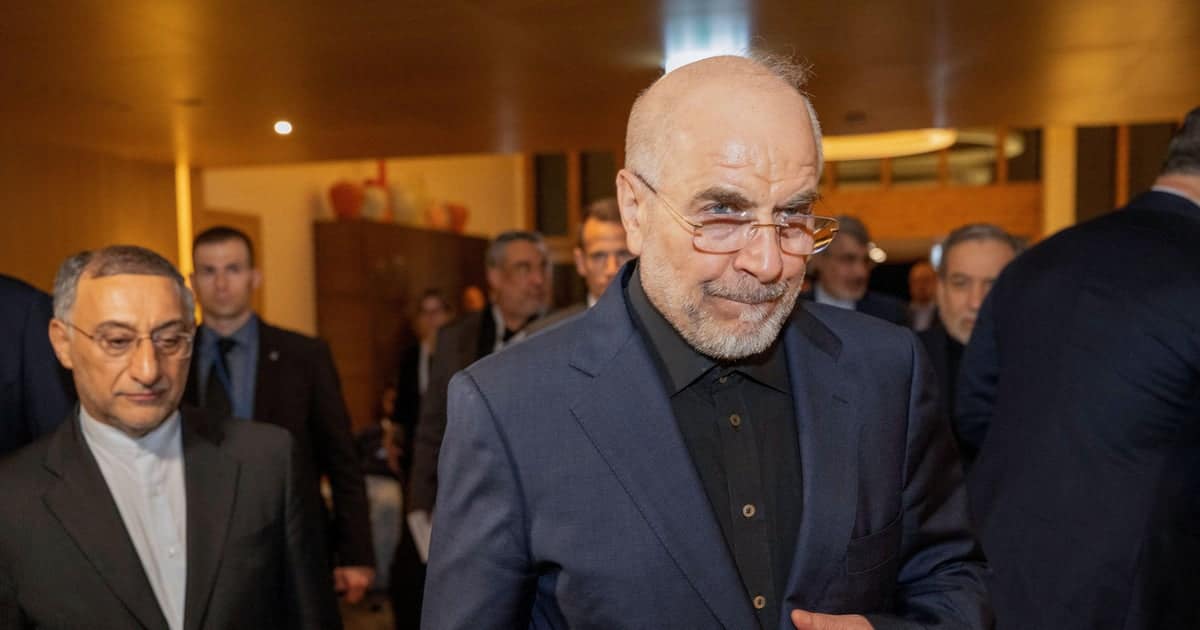
Iran's chief negotiator, Mohammad Bagher Ghalibaf, stated on Tuesday that the country is prioritizing diplomacy with the United States but remains prepared for war if dialogue is not implemented. Ghalibaf made these remarks in an interview on state television as Iranian and U.S. delegations were scheduled to hold separate discussions in Doha, Qatar.
In parallel, U.S. special envoy Steve Witkoff and President Trump's son-in-law, Jared Kushner, met with Qatari Prime Minister Sheikh Mohammed bin Abdulrahman Al-Thani. According to Qatar's Foreign Affairs Ministry, the officials discussed the ongoing peace talks between the U.S. and Iran, as well as the ceasefire in Lebanon. A senior Trump administration official described the conversations with regional leaders as positive, indicating that good progress continues to be made.
Ghalibaf also reported that Iran has exported over 40 million barrels of oil since the lifting of a U.S. blockade on its ports. He contrasted this with the preceding 50 to 60 days, during which he claimed Iran was unable to export any oil.
Separately, the U.S. House of Representatives voted for a second time against a war powers resolution introduced by Democratic Rep. Rashida Tlaib of Michigan. The resolution aimed to limit President Trump's authority to engage the U.S. military in warfare in Lebanon without congressional authorization. The vote resulted in 189 in favor and 235 against constraining the president's authority.