Key facts
- Hiroshima marked the 81st anniversary of the atomic bombing on August 6.
- Mayor Kazumi Matsui urged world leaders to abolish nuclear weapons and cease justifying their possession for deterrence.
- Matsui warned that accepting nuclear deterrence risks cycles of retaliation and another nuclear catastrophe.
- Approximately 50,000 people attended the ceremony, including representatives from the U.S. and Iran.
- Prime Minister Sanae Takaichi stated Japan upholds its three nonnuclear principles but her government may review them.
- The bombing of Hiroshima on August 6, 1945, killed an estimated 140,000 people by the end of that year.
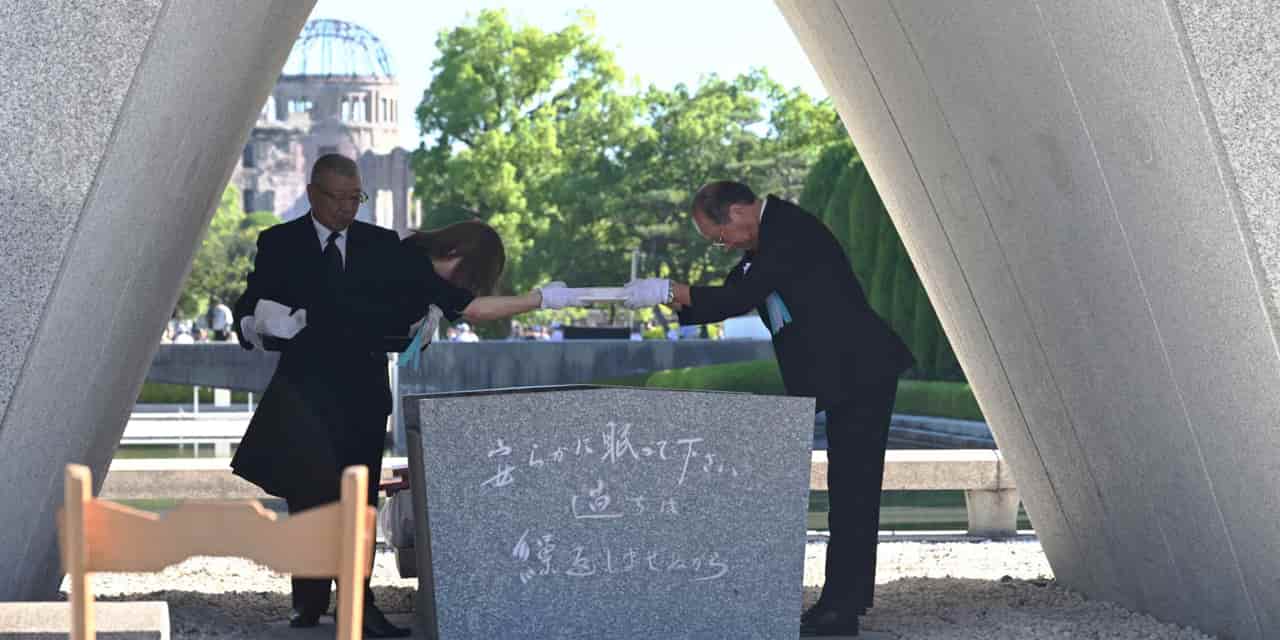
Hiroshima marked the 81st anniversary of the U.S. atomic bombing on Thursday, with Mayor Kazumi Matsui urging world leaders to abolish nuclear weapons amid escalating global tensions and conflicts. Matsui warned in his Peace Declaration that major powers justifying nuclear deterrence risk cycles of violent retaliation that could lead to another nuclear catastrophe.
A moment of silence was observed at 8:15 a.m., the precise time the uranium bomb was dropped on August 6, 1945, killing an estimated 140,000 people by the end of that year. The ceremony was attended by approximately 50,000 people, including representatives from 120 countries and regions, such as the United States and Iran.
Prime Minister Sanae Takaichi stated that Japan maintains its postwar three nonnuclear principles but indicated her government may review them when compiling new security documents. Survivors have expressed concern over growing international support for nuclear deterrence, while Japan continues to rely on the U.S. nuclear umbrella and has not signed the Treaty on the Prohibition of Nuclear Weapons.