Key facts
- Ghana postponed planned bilateral meetings with South Africa due to rising anti-migrant violence.
- Hundreds of Ghanaian citizens have been repatriated from South Africa amid the unrest.
- Ghana's government spokesperson stated the violence would likely overshadow the August meetings.
- South Africa's presidential spokesman affirmed commitment to bilateral cooperation and rescheduling.
- Ghana reported a national killed in Cape Town during protests, a claim disputed by South African police.
- Ghana had previously petitioned the African Union regarding xenophobia in South Africa.
Ghana has postponed planned bilateral meetings with South Africa, originally scheduled for August, due to a surge in anti-migrant violence in South Africa. Ghana's government spokesperson, Felix Kwakye Ofosu, stated that the violence would likely overshadow the meetings and that it would be better to convene when the situation has stabilized.
South Africa's presidential spokesman, Vincent Magwenya, confirmed that Johannesburg was informed of Ghana's intention to defer the Bi-National Commission meetings. He added that both nations would continue diplomatic engagement to find a mutually convenient date and reaffirmed South Africa's commitment to deepening cooperation.
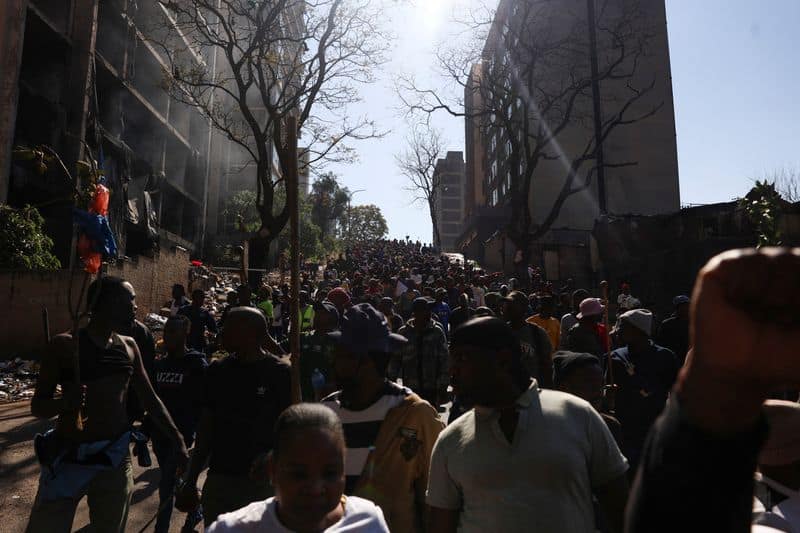
The postponement follows recent waves of anti-migrant protests in South Africa, which have at times turned violent, leading to attacks on foreign nationals and looting of foreign-owned shops. Ghana had repatriated hundreds of its citizens ahead of a deadline set by an anti-migrant movement for undocumented foreigners to leave.
Ghana's foreign ministry reported that a Ghanaian national was killed in Cape Town on June 30 during anti-immigrant demonstrations. However, South African police stated they had no record of such an incident on that specific day, though they confirmed a Ghanaian national was killed a day earlier in a different settlement, an incident believed to be linked to extortion rather than anti-migrant sentiment.
Ghana had previously petitioned the African Union in May to address recurring xenophobia, arguing that such attacks contravene the African Continental Free Trade Area agreement.