Key facts
- A former senior U.S. official stressed the need for South Korea to diversify its specialty gas supply for chipmaking.
- Disruptions in the Strait of Hormuz could negatively impact South Korea's chip industry.
- South Korean chipmakers are significant consumers of helium, sourcing over 65% from Qatar.
- The semiconductor sector is identified as both a key growth driver and a vulnerability for South Korea.
- A prolonged disruption could lead to increased costs for supply security or diverted R&D funds.
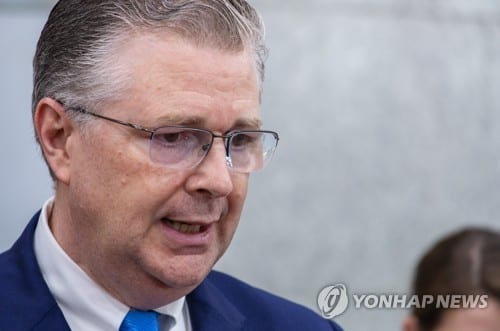
Daniel Kritenbrink, a former senior U.S. official and partner at The Asia Group, emphasized the critical need for South Korea to diversify its supply of specialty gases, particularly helium, for its vital semiconductor industry. Speaking during an online press briefing on a report by The Asia Group concerning Asia's exposure to shipping disruptions in the Strait of Hormuz, Kritenbrink noted that prolonged issues in the crucial waterway could significantly affect South Korea's primary growth engine.
The report highlighted that South Korean chipmakers are among the world's largest consumers of helium, with over 65 percent of their supply originating from Qatar. Kritenbrink stated that many were unaware of this heavy reliance and that diversification of helium sources is essential for countries like South Korea.
He described the semiconductor sector as both South Korea's "shield" and "vulnerability," noting its importance for the nation's growth but also its dependence on stable electricity, specialty gases, and predictable logistics. The Asia Group's report indicated that while government intervention and premium payments by leading firms have mitigated immediate challenges, a prolonged disruption would force companies to secure expensive long-term contracts or divert capital from research and development to ensure supply security, incurring significant opportunity costs.