Key facts
- The EU has agreed on its 21st sanctions package against Russia.
- Greece secured an exemption for Russian LNG exports to third countries under specific contract conditions.
- New EU sanctions will ban maritime services for Russian LNG vessels starting January 1, 2027.
- Danish shipyard Fayard continues to service specialized Russian LNG carriers, a move criticized by advocacy groups.
- The Arc7 fleet, crucial for Russia's Yamal LNG project, relies on European shipyards for maintenance.
The European Union has finalized its 21st sanctions package against Russia, but a significant exemption secured by Greece for Russian liquefied natural gas (LNG) exports to third countries has weakened the measures. This concession, which allows for LNG transport under contracts predating Russia's invasion of Ukraine, has drawn criticism for prioritizing national interests over common European objectives.
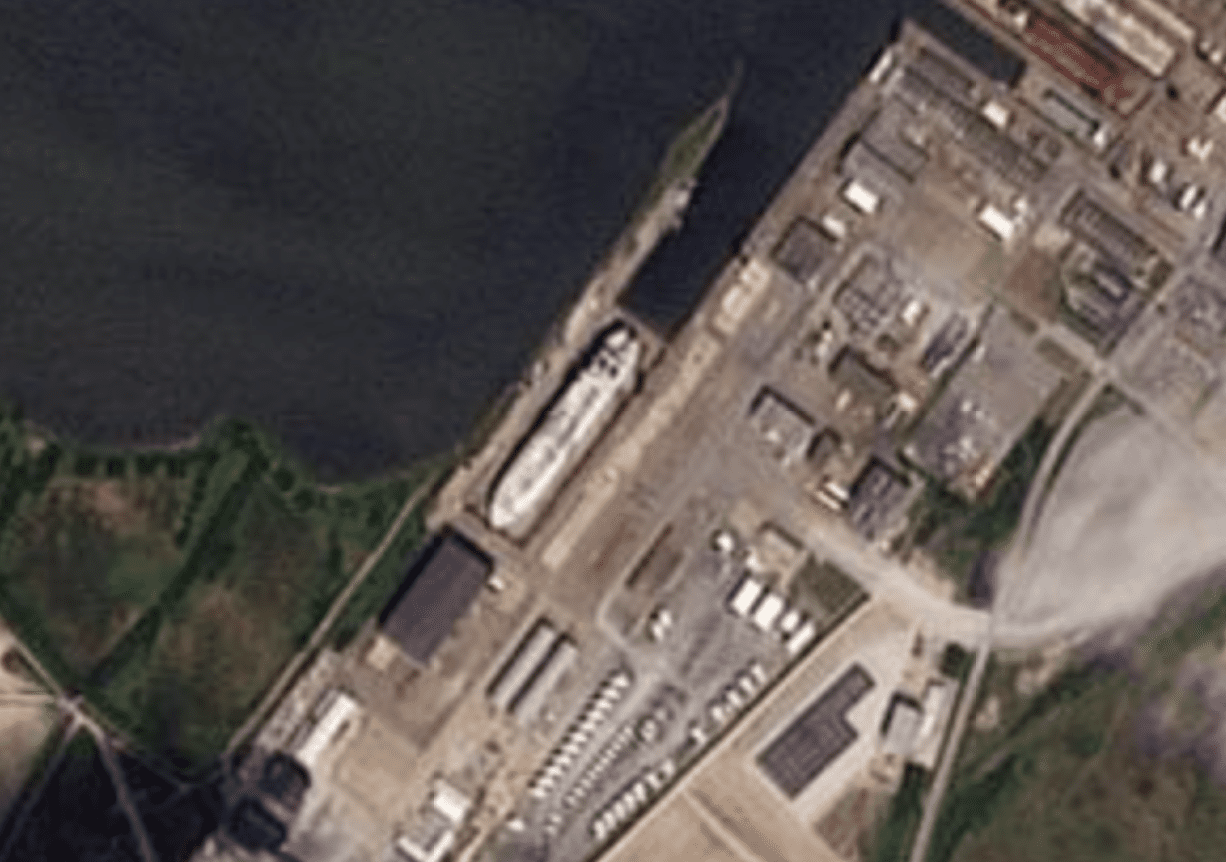
Despite the looming EU ban on maritime services for Russian LNG vessels, set to take effect on January 1, 2027, the Danish shipyard Fayard is expected to continue servicing specialized Arc7 icebreaking LNG carriers for Russia's Yamal LNG project. This continued support, which includes potential maintenance for up to six vessels, has been decried by advocacy groups like Urgewald as a means to prolong Russian Arctic LNG exports and channel revenue to the Kremlin. Fayard, however, maintains its operations comply with current EU regulations.
The Arc7 fleet, comprising 15 specialized vessels, is vital for transporting LNG from Russia's Arctic coast. While the Dutch-owned Damen Shiprepair Brest in France has ceased servicing these carriers, Fayard remains a critical, albeit controversial, service hub. Companies like Seapeak Maritime and Dynagas, which manage parts of this fleet, face strategic dilemmas as sanctions tighten, potentially leading them to divest or restructure ownership to circumvent future restrictions.