Key facts
- The EU has authorized Operation ATALANTA to board ships suspected of belonging to Russia's shadow fleet in the Indian Ocean.
- This decision aims to disrupt Russia's ability to fund its war in Ukraine.
The European Union has authorized its naval anti-piracy Operation ATALANTA to board ships suspected of belonging to Russia's shadow fleet in the Indian Ocean. This move aims to further tighten sanctions against Russia and disrupt its war funding.
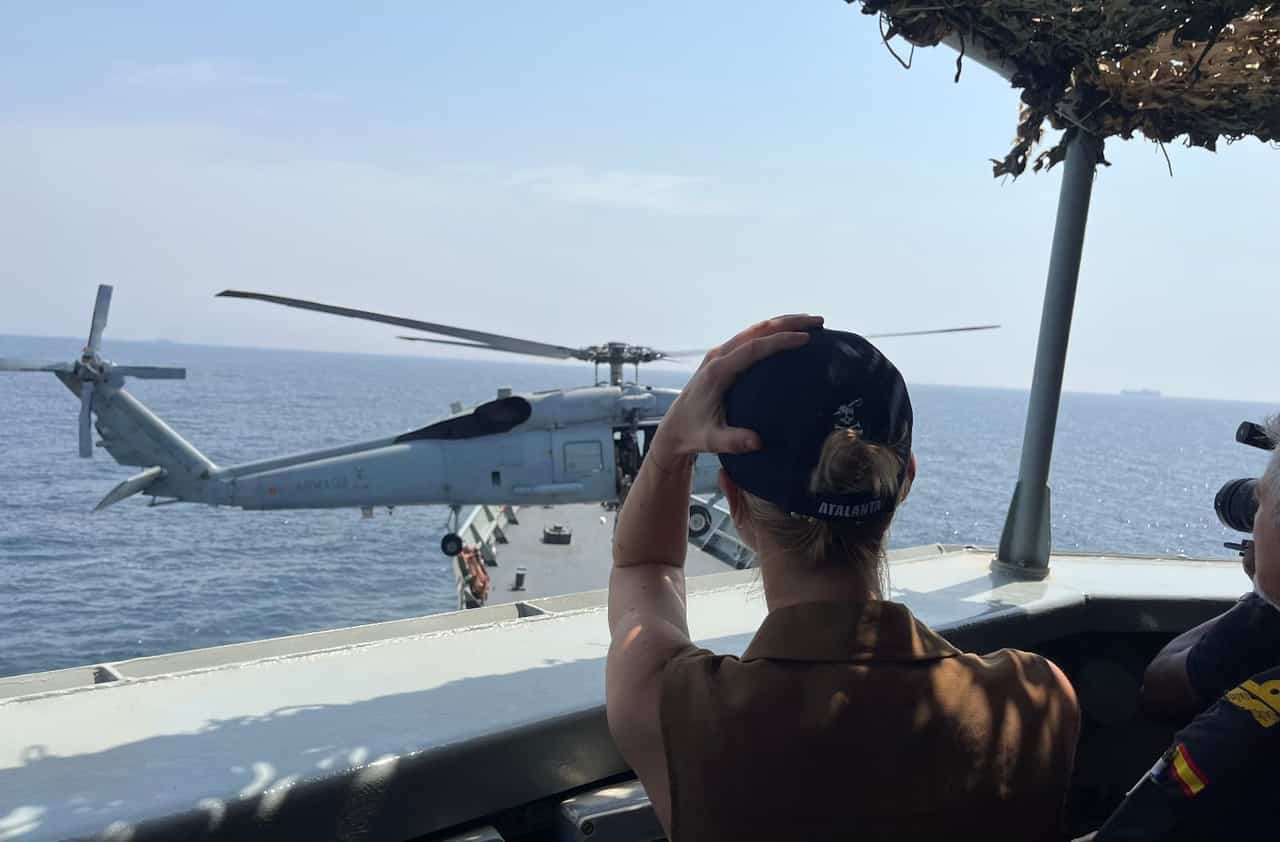
This action represents a significant escalation of EU sanctions enforcement, directly targeting Russia's shadow fleet which is crucial for circumventing oil price caps and sanctions, thereby impacting Russia's ability to finance its war in Ukraine.
The European Union has authorized its naval anti-piracy Operation ATALANTA to begin boarding ships suspected of belonging to Russia's shadow fleet in the Indian Ocean. The decision was announced by the bloc's top diplomat, Kaja Kallas, on July 22.
This expansion of ATALANTA's mandate follows a recent successful boarding of a shadow fleet vessel by the EU's Operation IRINI in the Mediterranean Sea on July 20. Kallas stated that the move "further tightens the net" and emphasized that "every illicit voyage helps sustain Russia's war machine." She added, "We are matching our sanctions with actions at sea."
Several EU countries have independently boarded ships suspected of being part of Russia's shadow fleet when they entered their territorial waters, including France, Sweden, Belgium, and the U.K. The EU is also reportedly close to finalizing its 21st sanctions package, which includes approximately 250 new listings targeting entities that support Russia's war effort in Ukraine. If approved, this would represent the largest number of listings in a single sanctions package since 2022.