Key facts
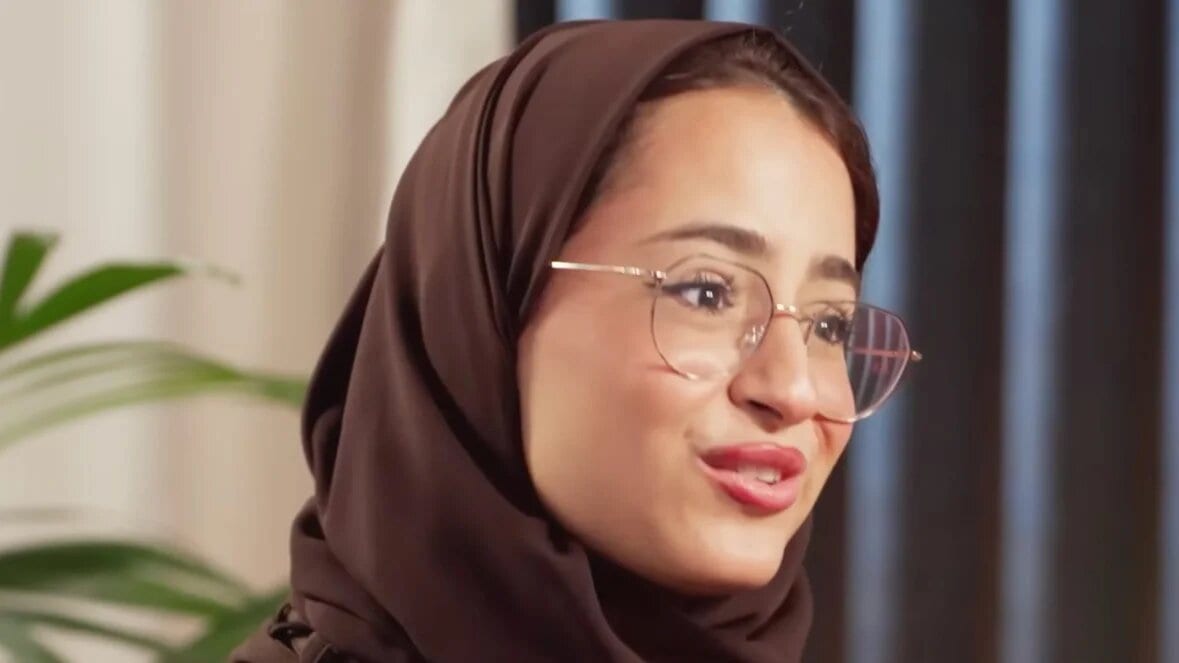
- Emirati influencers Rauda Altenaiji and Ahmed Sharif Al Ameri are warning of a Muslim Brotherhood plot to establish a caliphate in the West.
- Their claims have been widely criticized and mocked, with some analysts calling it a poorly executed information operation.
- The influencers have expressed strong pro-Israel views.
- Some of these influencers have connections to the right-wing British think tank, the Henry Jackson Society.
- The UAE has a history of opposing the Muslim Brotherhood and has previously attempted to have it banned in the UK.
Young Emirati influencers are drawing criticism and mockery for promoting narratives about an alleged Muslim Brotherhood plot to infiltrate and establish a caliphate in the West. Videos featuring influencers like Rauda Altenaiji and Ahmed Sharif Al Ameri, speaking with British journalists and think tanks, have gone viral. These influencers claim that the Muslim Brotherhood uses PR strategies and inclusivity to achieve its goal of installing a caliphate system.
Their claims have been met with skepticism and derision. Andreas Krieg, an associate professor at King's College London, described the effort as a "terribly executed information op" that further tarnishes the reputation of some in the UAE within the Muslim world. Journalist Zaid Jilani commented on the perceived lack of sophistication in the UAE's propaganda efforts.
The influencers involved have also expressed strongly pro-Israel views, with Omar Al Blooshi stating that 'Anti-Zionism has become a convenient mask for antisemitism'. Some Emirati influencers have been linked to the Henry Jackson Society, a right-wing British think tank that runs an anti-Muslim Brotherhood campaign. The director of the Henry Jackson Society, Alan Mendoza, also heads the Jewish National Fund UK and advises Nigel Farage, leader of the Reform UK party.
The Muslim Brotherhood, an Islamist political movement founded in Egypt, is viewed as an enemy by the UAE due to its opposition to autocracy. Abu Dhabi has previously lobbied unsuccessfully to have the Brotherhood banned in the UK and has paid private intelligence firms to smear charities linked to it. Despite these efforts, inquiries have not found evidence that the Brotherhood wields significant influence in the UK.