DR Congo Ebola cases surpass 3,200, deaths exceed 1,400
IN SHORT
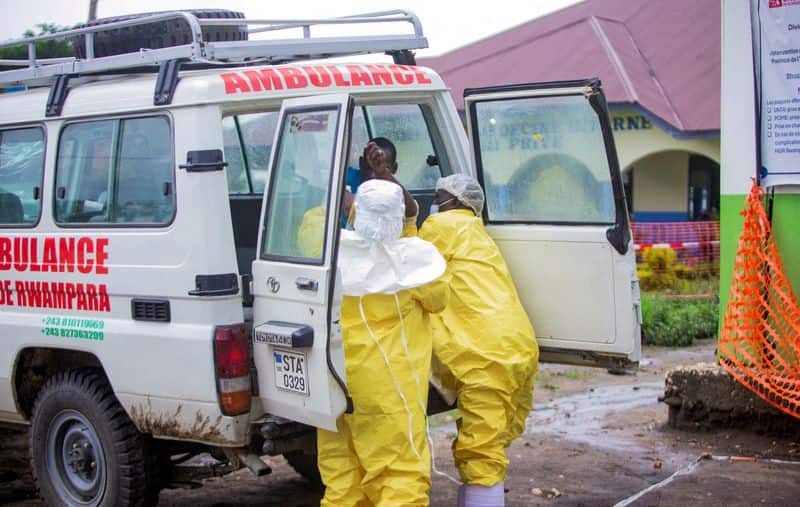
The Democratic Republic of Congo has reported over 3,200 confirmed Ebola cases, with more than 1,400 deaths. The outbreak, caused by the Bundibugyo virus, is spreading rapidly and is complicated by ongoing conflict and limited health infrastructure.
Key Numbers
3,200confirmed Ebola cases
1,405confirmed Ebola deaths
1,354deaths reported in one source
556recoveries reported in one source
755patients in hospital or isolation
Who's Involved
Democratic Republic of Congo
government reporting Ebola case numbers
CDC
responding to Ebola outbreak in DRC and Uganda
University of Oxford’s Vaccine Group
developing experimental Ebola vaccine
↳ Why This Matters
This rapidly escalating Ebola outbreak in the Democratic Republic of Congo poses a significant public health crisis, exacerbated by conflict and limited resources, with the potential for regional spread.