Key facts
- Cuba's national electrical grid collapsed on Friday, the second such outage this week.
- This is the fourth total nationwide power outage for the island this year.
- The energy ministry confirmed recovery protocols were initiated.
- Severe fuel shortages are cited as a primary cause for the grid failures.
- The blackouts have led to increased social tensions and protests.
- Cuba attributes its infrastructure issues to the U.S. trade embargo, while the U.S. blames economic mismanagement.
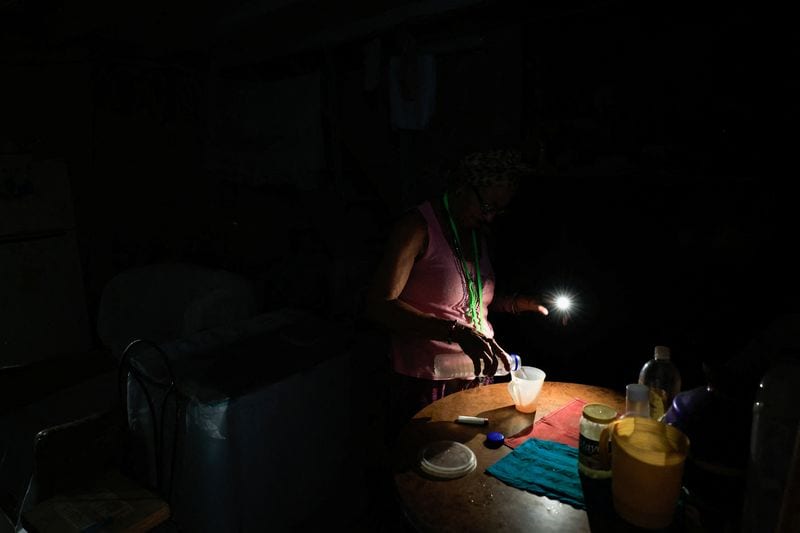
Cuba's national electrical grid suffered a total collapse on Friday, marking the second such widespread outage this week and the fourth instance this year. The energy ministry announced that recovery protocols were being activated to restore power to millions of residents.
The latest failure follows a similar nationwide blackout on Monday. While power was largely restored by Tuesday, significant portions of the island, including Santiago de Cuba, remained disconnected due to severe fuel shortages. These shortages are largely attributed to U.S. sanctions, including an oil blockade imposed by the Trump administration, which has impacted fuel shipments from Venezuela and Mexico.
The chronic power failures have exacerbated existing social tensions, leading to scattered pot-banging protests in Havana, reminiscent of the large anti-government demonstrations in July 2021. Havana attributes its failing infrastructure to the decades-old U.S. trade embargo, while Washington contends the blackouts are a result of mismanagement of the state-run economy.
During a U.N. General Assembly debate, U.S. Ambassador Michael Waltz placed blame solely on Havana, urging them to improve conditions for their citizens. However, the majority of nations speaking during the debate called for Washington to lift its sanctions and blockade, which Cuba's Minister of Foreign Affairs, Bruno Rodríguez Parrilla, described as a "systematic violation of the human rights of an entire people in an act of collective punishment."