Key facts
- Cuba's national electric grid collapsed on Tuesday, July 6.
- This is the third nationwide power outage since the start of the year.
- The blackout affected the entire island, leaving 9.6 million inhabitants without power.
- The U.S. imposed an oil blockade in January, depleting fuel supplies for power plants.
- Cuban President Miguel Diaz-Canel blamed U.S. sanctions for the energy crisis.
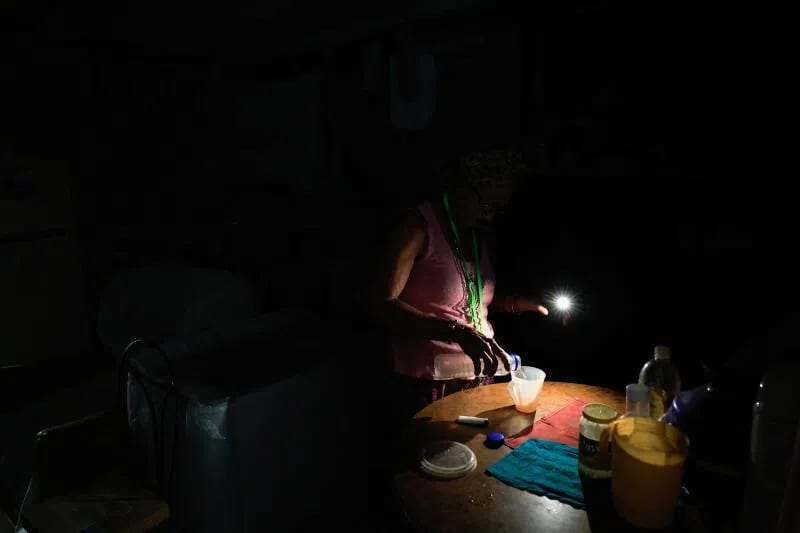
Cuba's national electric grid collapsed on Tuesday, July 6, marking the third nationwide power outage since the start of the year and the eighth since late 2024. The blackout, which affected the entire island of 9.6 million inhabitants, has been attributed by Cuban President Miguel Diaz-Canel to a U.S.-imposed oil blockade that has depleted fuel supplies for the country's power plants.
The state electricity company, Union Electrica (UNE), announced a "total disconnection" to the entire island, with no immediate timeline for repairs. Lazaro Guerra, director of electricity at the Ministry of Energy and Mines, stated that the lack of fuel "undoubtedly complicates the restoration process."
Cuban President Miguel Diaz-Canel directly blamed U.S. sanctions policy, calling the energy blockade "genocidal" and the work of electrical workers "heroic." The situation has led to mounting despair, with residents describing life as "agony" due to prolonged power cuts, some lasting over 30 hours in Havana and over 70 hours in rural areas.
Power outages have been a persistent issue in Cuba due to an obsolete generation system. However, the frequency and severity of blackouts have accelerated since the U.S. imposed an oil blockade in January, significantly reducing fuel shipments. The U.S. has allowed only one oil tanker from Russia to dock in Cuba since January as part of a pressure campaign.
The government has invested in solar energy, which now represents 10% of the energy mix, but it has not been enough to alleviate the shortages. The ongoing energy crisis, coupled with sanctions, has exacerbated shortages of food, drinking water, and medicine, prompting the UN to warn of a humanitarian emergency.