Key facts
- U.S. sanctions have halted oil shipments to Cuba, its primary fuel source.
- The crisis threatens to cause a humanitarian collapse with deteriorating healthcare, food systems, and public services.
- Experts warn of potential total depletion of fuel reserves by March, leading to the worst economic crisis since the Great Depression.
- Repression against journalists, civil society groups, and NGOs has intensified.
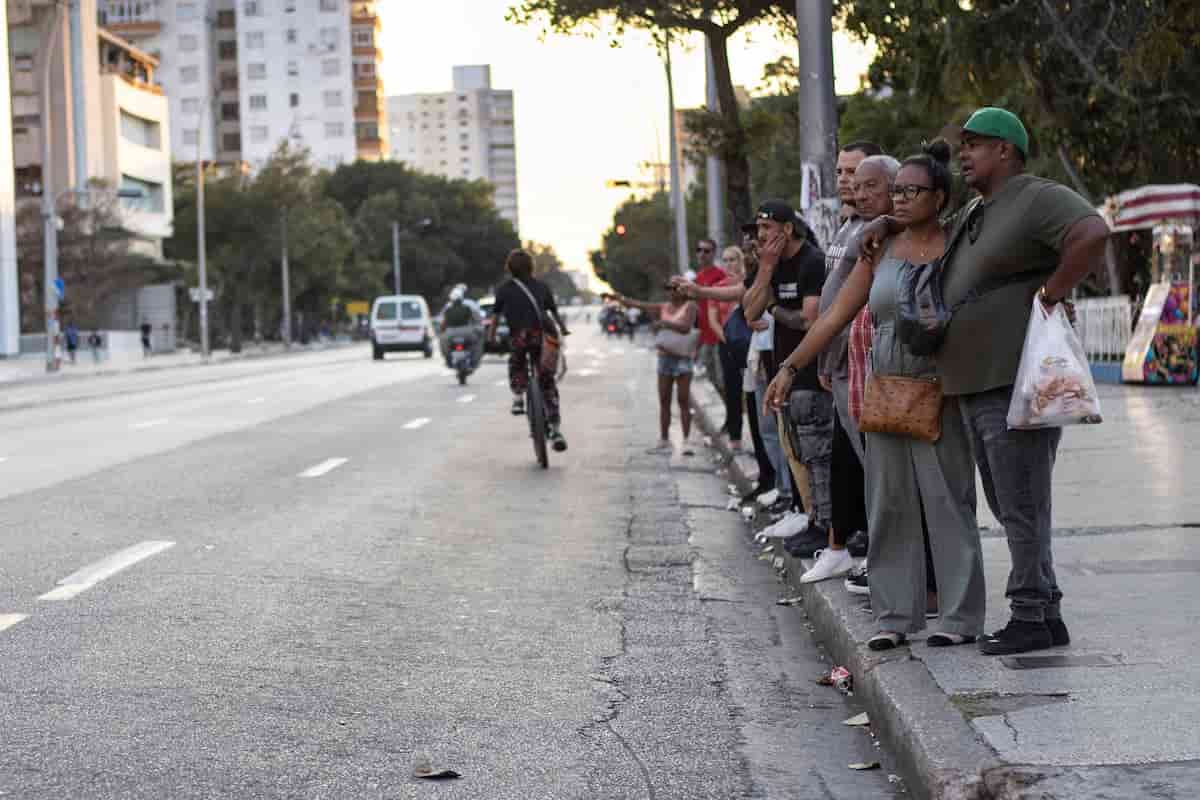
- Cubans are facing extreme difficulties in daily life, including transportation and food access.
Cuba is facing an escalating crisis, with the U.S. imposing sanctions that have halted oil shipments and severely impacted the island's fuel supply. This has led to widespread difficulties in daily life, including transportation and access to food, and threatens a broader humanitarian collapse.
The U.S. decision to block oil shipments, particularly from Venezuela, has deprived Cuba of its main fuel source. Further actions by President Donald Trump, including an executive order declaring a national emergency against the Cuban government, have led to a halt in imports from other suppliers like Mexico and Russia. This has exacerbated the country's chronic fragility, with healthcare, food systems, electricity, and public services deteriorating rapidly.
Experts warn that if new fuel shipments do not arrive in March, Cuba could deplete its fuel reserves entirely, potentially leading to the worst economic crisis since the Great Depression. The situation has forced Cubans to rely heavily on remittances and local support networks, but these are increasingly insufficient.
Amidst the hardship, repression has intensified. Independent journalists and civil society groups operate under surveillance and the threat of legal action. The creators of an independent media project were arrested, and human rights organizations have reported increasing harassment of prisoners of conscience and their families. Even animal rights NGOs have faced state targeting.
Many Cubans express a desire for change, feeling that the country is at a standstill and cannot continue under the current conditions. The lack of official information regarding negotiations with the U.S. or the end of the energy blockade adds to the uncertainty and anxiety.