Key facts
- US Representative Randy Fine suggested Americans will pay higher fuel costs until the war with Iran ends.
- Representative Tim Burchett blamed "greed" and government subsidies for rising gas prices.
- Burchett stated the US imports no oil from Iran, questioning the justification for price hikes.
- President Donald Trump described rising gas prices as "short-term pain" related to the conflict.
- Representative Jim Jordan said higher gas prices are an acceptable consequence of confronting Iran.
US Representative Randy Fine has suggested that Americans should expect to pay higher fuel costs until the war with Iran concludes, framing it as a necessary consequence of the ongoing conflict. This sentiment comes as gas prices have seen a significant increase, with the national average price of gasoline rising by more than $1 per gallon since the conflict began in late February, crossing the $4 mark.
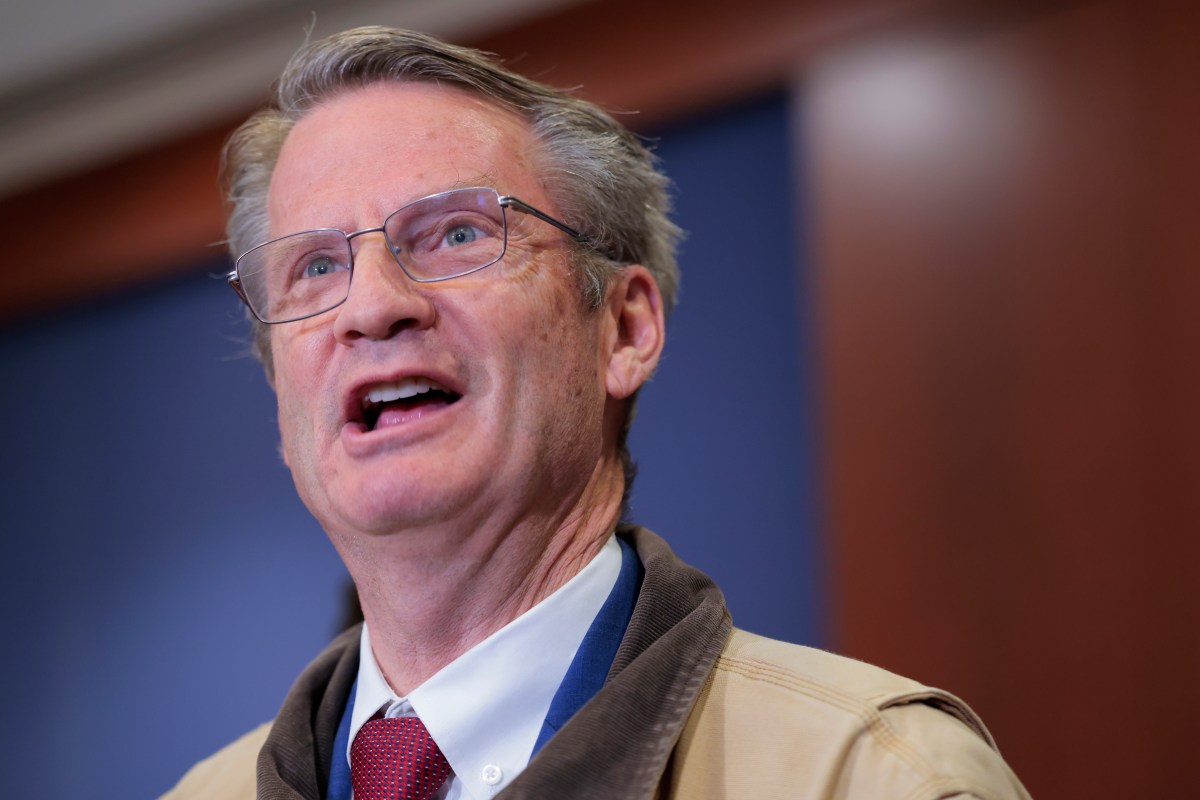
Meanwhile, Representative Tim Burchett, a Tennessee Republican endorsed by President Donald Trump, has accused oil companies and Washington lawmakers of driving up gas prices through "just greed." Burchett argued that government subsidies and tax policies undermine the idea of a free market in the oil industry, characterizing the situation as a "gross misuse of power and greed." He also pointed out that the US imports no oil from Iran, questioning the direct justification for the steep price increases at the pump.
President Trump has attempted to reassure Americans, describing the higher prices as "short-term pain" tied to the conflict and suggesting costs would fall once shipping through the Strait of Hormuz fully resumes. The White House has echoed this message, attributing energy market reactions to uncertainty rather than permanent supply shortages.
Adding to the discourse, Republican Representative Jim Jordan offered a blunt message to Americans struggling with rising gas prices, stating it is "the world we live in." In a CNN interview, Jordan argued that the higher costs are an acceptable price to pay for confronting Tehran, despite the lack of regime change and the ongoing conflict.