Key facts
- Congo's 17th Ebola outbreak has resulted in 4,945 cases and 2,325 deaths.
- This outbreak is the second deadliest on record.
- The virus has spread to six provinces, with Ituri being particularly hard-hit.
- Challenges include funding shortfalls, unpaid health workers, rebel attacks, poor infrastructure, and misinformation.
- The Bundibugyo strain of Ebola, for which no approved vaccine or treatment exists, is responsible for the outbreak.
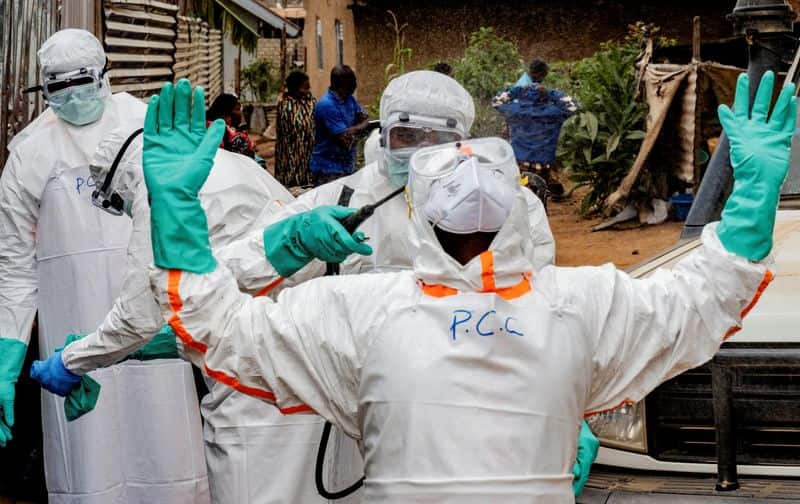
The Democratic Republic of Congo's latest Ebola outbreak has become its deadliest, with over 2,300 fatalities recorded. Government figures indicate 4,945 cases and 2,325 deaths, with an additional 101 infections and 33 deaths reported in the 24 hours prior to the report. More than 1,000 individuals have recovered, while 730 remain hospitalized or in isolation. This 17th outbreak in Congo has surpassed the death toll of the 2018-2020 outbreak, which claimed 2,299 lives. The World Health Organization has described the virus's spread as occurring at an "exceptional pace," with 579 cases and 304 deaths reported in the most recent weekly figures. Trish Newport, emergency coordinator for Doctors Without Borders, highlighted community engagement as a critical challenge, emphasizing the need for people to understand the signs and symptoms of Ebola and know what to do if they fall ill. The outbreak is impacting six provinces, with Ituri province being particularly hard-hit, where some families have lost up to 15 relatives. The response efforts are facing significant obstacles, including strikes by unpaid health workers, attacks from rebel groups, inadequate road infrastructure, and the spread of misinformation about the disease. A notable concern is that most new cases are being identified outside of existing surveillance groups. Experts believe the rare Bundibugyo strain of Ebola, for which there is no approved vaccine or treatment, may have been circulating for months before the outbreak was officially declared on May 15. Clinical trials for a vaccine are currently underway in Ituri. The United Nations has responded by allocating an additional $30.5 million and deploying 20 more staff to bolster the response efforts. UN humanitarian chief Tom Fletcher described the situation as a "wake-up call," urging for increased speed and international support. The World Health Organization believes it is possible to control the outbreak within three months if necessary resources are provided, though resources are currently lagging requirements. Containment efforts are ramping up, and an extra 400 beds have been added in the past two weeks. The WHO Emergency Committee is meeting to discuss the outbreak, which was deemed a global emergency by the U.N. agency on May 17.