Key facts
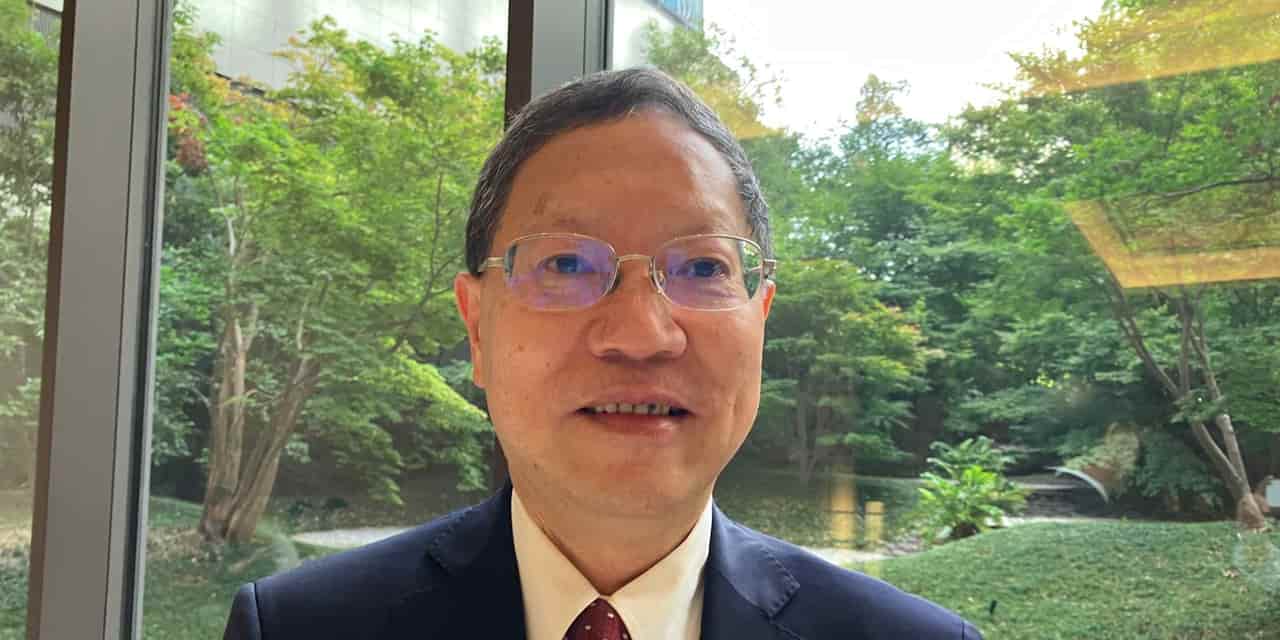
- Chinese scholar Shen Dingli visited Tokyo and emphasized the need for dialogue between China and Japan.
- Bilateral exchanges between China and Japan have been strained since Japanese Prime Minister Sanae Takaichi's remarks on Taiwan in November 2025.
- A meeting between Japanese lawmaker Hashimoto Gaku and Chinese Vice Foreign Minister Hua Chunying in Beijing on June 22 marked a tentative sign of preserved economic dialogue.
- The meeting between Hashimoto and Hua was the first formal talk between a Japanese ruling party lawmaker and a senior Chinese official since the diplomatic freeze.
Chinese scholar Shen Dingli has visited Tokyo, emphasizing the importance of dialogue between China and Japan amid strained bilateral relations. Exchanges between the two countries have significantly cooled since Japanese Prime Minister Sanae Takaichi's remarks on Taiwan in November 2025, which triggered a strong response from China and led to a diplomatic freeze.
Despite the political tensions, a meeting between Japanese lawmaker Hashimoto Gaku and Chinese Vice Foreign Minister Hua Chunying in Beijing on June 22 offered a tentative sign that economic dialogue may be preserved. This encounter was the first formal talk between a Japanese ruling party lawmaker and a senior Chinese official since the freeze began.
Shen Dingli's visit and his emphasis on dialogue come at a time when official and semi-official contacts have become increasingly rare. The freeze in relations dates back to Takaichi's statement in the Japanese Diet regarding hypothetical Taiwan contingency scenarios. Beijing reacted sharply, curtailing bilateral exchanges, restricting travel, suspending performances, and tightening export controls on rare earth elements.
Sun Chenghao, a fellow at Tsinghua University's Center for International Security and Strategy, noted in a newsletter that the Taiwan question has become a core conflict in China-Japan relations. He highlighted that Takaichi's statement, suggesting Japan might intervene if Taiwan is in trouble, was seen as a breakthrough in explicit expression rather than a fundamental policy shift, but it violated international laws and escalated tensions. Motivations behind Takaichi's remarks were attributed to promoting defense budget hikes, pursuing national normalization, diverting public attention from domestic issues, and shaping a "strong leader" image.